
Introduction
Juvelook and Juvelook Volume are related injectable treatments, but a patient seeking smoother skin does not necessarily need the same treatment as someone seeking fuller cheeks. At Millennium Clinic Kuala Lumpur, the starting point is identifying whether the concern involves skin quality, facial support, or a combination of both. The product name comes after that assessment, because different formulations and techniques can create different effects and carry different risks.
When comparing Juvelook vs Juvelook Volume, the most useful question is what you want the treatment to change. Texture, fine superficial lines and selected depressed scars involve different structures from a hollow temple or reduced cheek projection. Both treatment planning and expectations should reflect that distinction. This guide explains the decision process without assuming that one option is stronger, safer or better for everyone.
Key Takeaways
| Key Point | Summary |
|---|---|
| Main distinction | Standard Juvelook is commonly discussed for skin quality; Volume formulations are generally planned for deeper support and volume-related concerns. |
| Shared ingredient category | These treatments contain PDLLA and hyaluronic acid, but the exact formulation and authorised use must be checked. |
| Which should I choose? | Choose according to anatomy, diagnosis and goals rather than the product name. |
| Are results immediate? | Early fullness may include swelling and injected fluid; later changes require assessment over time. |
| Can they be dissolved? | The PDLLA component is not dissolved by hyaluronidase like a purely HA gel. |
| Are they risk-free? | No. Injection-related and delayed complications are possible. |
What Skin Quality Actually Means
Skin quality describes features such as surface texture, suppleness and the appearance of fine lines. Patients may notice that makeup settles into small creases, that the cheeks look rough in side lighting, or that an area feels less resilient than before. Those observations are useful, but they are not a diagnosis. Dryness, dermatitis, acne, sun damage and scarring can all affect the surface in different ways.
A skin-quality treatment is not a substitute for treating active disease. For example, inflammation should be evaluated before injections are considered for an uneven complexion. Redness caused by rosacea and a depression caused by an acne scar do not have identical treatment pathways. A doctor should explain which measurable feature is being targeted and what the proposed injection cannot reasonably correct.
What Facial Volume Loss Means
Facial volume involves the shape and support of deeper tissues. A cheek may appear flatter, the temple may become hollow, or a fold may become more visible as nearby support changes. Facial ageing also involves skin laxity, bone structure and the position of fat compartments. Therefore, a visible line does not always mean that the line itself needs to be filled.
Some people naturally have a slim face and are comfortable with that appearance. Treatment should not impose a fuller shape simply because fullness is fashionable. Assessment should consider photographs from earlier years, recent weight change, facial movement and the balance between different regions. The goal might be subtle support, preservation of an existing contour, or no injectable treatment at all.

Understanding the Product Family
PDLLA stands for poly-D,L-lactic acid. It is a biodegradable polymer used in particulate injectable products. Hyaluronic acid is another ingredient, but the presence of HA does not make every mixed product equivalent to a conventional crosslinked HA filler. The concentration, particle characteristics, preparation and placement all matter. A clinician should identify the exact vial and instructions rather than rely on a broad marketing label.
The published exploratory PDLLA study in Asian patients describes a particular formulation and delivery technique. It provides product-related context, but research performed for one condition or route of delivery cannot establish effectiveness for every facial concern. Likewise, local naming conventions may differ between standard Juvelook, Juvelook Volume and related products. Ask what is actually being administered and why that formulation fits your anatomy.
Comparing Treatment Approaches
| Question | Skin-quality approach | Volume-support approach |
|---|---|---|
| Typical goal | Improve selected superficial texture concerns | Address selected areas of reduced support or fullness |
| Main assessment | Skin condition, scar pattern and surface features | Facial proportions, tissue depth and existing volume |
| Placement | Technique tailored to the particular skin indication | Placement tailored to deeper structural goals |
| Result assessment | Texture and skin appearance under consistent conditions | Contour and facial balance after swelling resolves |
| Important limit | Does not automatically lift loose tissue or replace lost support | Does not automatically treat every scar, pigment mark or skin disease |
These are planning categories, not fixed injection instructions. The doctor determines appropriate depth and technique for the exact product. Patients should not interpret this comparison as a recommendation to inject superficially or deeply themselves, or to ask for a larger dose because a product is described as a volume treatment.
How the Expected Response Differs
A volume-oriented procedure may produce an early change in contour, while a skin-quality procedure may aim for more subtle changes. Neither early appearance should be regarded as the final result. Local swelling, preparation fluid and injection placement can affect photographs taken immediately afterwards. A sensible plan specifies when the intended outcome will be assessed and which changes count as meaningful improvement.
A clinical study of PDLLA for nasolabial folds addresses a particular indication and treatment protocol. It should not be used to promise that all patients will obtain the same contour change, duration or number of sessions. For comparison, a systematic review of injectable HA for skin quality discusses a different body of evidence. Shared ingredients do not make the study populations or treatment goals interchangeable.
Who May Consider Standard Juvelook?
A doctor may discuss a skin-quality formulation with a patient whose principal concern is selected texture irregularity or superficial fine lines, provided the skin is suitable for injection. An assessment of acne scars should determine whether a depression is tethered, sharply edged or very narrow. The presence of scars alone does not establish that a collagen-stimulating injectable is the best first treatment.
The patient should be willing to accept a gradual and potentially modest response. Someone expecting a major lift, immediate reshaping or complete scar disappearance may need another strategy. It is helpful to identify one priority rather than request an injection for every visible imperfection. That makes the eventual review clearer and reduces the temptation to treat unrelated concerns with the same product.
Who May Consider a Volume Formulation?
Volume-oriented treatment may be considered when examination identifies a suitable area of structural deficiency and the patient wants a change in facial support. The required amount is influenced by tissue characteristics and the extent of correction, not simply by age. A consultation should assess whether adding volume could improve balance or instead make a region look heavy or disproportionate.
Other possibilities include a conventional filler, another biostimulator, a surgical opinion or observation. A particulate collagen-stimulating treatment carries a different commitment from a purely HA gel, particularly when reversibility matters. Patients should discuss their tolerance for delayed response and possible complications before consenting. An appropriate consultation can conclude that the proposed product is unnecessary even when the patient originally requested it.
Situations That Need Extra Caution
Active infection, inflamed lesions, an unexplained lump, previous injectable complications or a history of abnormal scarring should be discussed before treatment. Pregnancy, breastfeeding, allergies, immune-related conditions and medicines that affect bleeding or healing may change the plan. Do not discontinue prescribed medication without advice from the relevant clinician. The treating doctor should review how those factors relate to the exact product.
Previous filler or biostimulator placement can also affect the decision. If you do not know the product name, bring available receipts, photographs or treatment records. A history described only as “skin booster” is incomplete because that term covers different materials. If the earlier treatment produced persistent swelling or nodules, investigate that problem before adding more product to the same region.
What Happens During Consultation and Treatment?
The consultation should include medical history, examination, baseline photographs and a discussion of alternatives. The doctor may inspect the face at rest and during expression to identify whether a line comes mainly from movement, skin texture or loss of support. Ask the clinician to describe the intended treatment area in plain language and to explain why another area will not be treated.
If injections proceed, the procedure involves skin preparation, appropriate comfort measures and product placement according to the treatment plan. Treatment duration depends on the areas and technique. A short appointment does not mean the risks are trivial. Before leaving, you should know the expected temporary effects, the follow-up arrangement and whom to contact if a concerning symptom develops outside normal clinic hours.

Potential Benefits and Practical Limitations
Matching the formulation to the concern may avoid unnecessary volume in a patient who mainly wants texture improvement. Conversely, recognising genuine support loss may prevent disappointment from a procedure that treats only the skin surface. A well-defined plan can help patients evaluate change against their own baseline rather than against heavily edited advertising photographs or another person’s treatment result.
However, no product can fully reverse all aspects of ageing. Collagen response varies, severe laxity may need a different intervention, and some scars require direct structural treatment. The cost of an entire course, potential recovery and future maintenance should be considered together. Purchasing several sessions in advance should not prevent reassessment if the response is weak or a complication appears.
Reversibility and Injection Safety
Hyaluronidase acts on hyaluronic acid; it does not dissolve the PDLLA particles in a mixed biostimulatory product. This distinction matters when discussing correction of over-treatment or unwanted lumps. Management depends on what caused the problem and where the material is located. Patients should not assume that an injection can always be erased quickly because one of its ingredients is HA.
The FDA’s dermal filler guidance identifies accidental vascular injection as a potentially serious risk of facial injectable procedures. Its regulatory statements apply to the United States and do not establish Malaysian authorisation for Juvelook. Severe or increasing pain, unusual pale or mottled skin, visual changes or neurological symptoms after injection require urgent medical attention. Routine tenderness is different from a rapidly worsening or unusual symptom.
A systematic review of adverse events with HA fillers also demonstrates why apparently minor cosmetic injections need appropriate medical care. That evidence concerns HA products and cannot quantify the risk of every PDLLA formulation. Delayed nodules, infection and inflammatory reactions must be included in a balanced discussion of particulate injectables, even when most expected reactions are temporary.
Recovery, Follow-up and Malaysian Daily Life
Temporary redness, bumps, swelling, tenderness or bruising may affect work and social plans. Ask when makeup, exercise and active skincare can resume for your particular treatment. Instructions may differ between products and techniques, so do not copy a massage routine from another brand. Keep the contact information for the treating clinic and attend the agreed review rather than judging the result daily.
In Kuala Lumpur, outdoor travel, heat and sweating can make irritation harder to manage. Plan the appointment around your ability to follow advice and obtain review. Sun protection supports general skin care, but it cannot guarantee a particular collagen response. A good photograph comparison uses similar lighting, camera distance, head position and facial expression; differences in those conditions can exaggerate or conceal improvement.
Questions to Bring to Your Appointment
Ask which concern the clinician has identified and what evidence supports the proposed treatment for that concern. Request the exact product name, its intended use in Malaysia and an explanation of any off-label aspect. Discuss whether the same goal could be achieved with a simpler approach. You should also understand the expected appointment course, total cost, recovery and criteria for stopping or changing treatment.
It is reasonable to ask how a delayed lump would be assessed and whether imaging or referral may be needed in a complicated case. You do not need to memorise technical preparation ratios or demand a particular injection depth. Those are clinical decisions. Your role is to understand the purpose, likely limitations and follow-up commitment well enough to make an informed choice.
Frequently Asked Questions
Is Juvelook Volume simply a stronger skin booster?
That description is too simplistic. Different formulations and placement strategies address different goals, so a larger or more concentrated product is not automatically the best choice for superficial skin concerns.
Can standard Juvelook restore hollow cheeks?
Do not assume it will provide the structural correction you want. A doctor should assess the extent of volume loss and discuss a formulation or alternative suited to that particular area.
Can Volume treatment remove pigmentation?
Adding facial support does not remove pigment. Dark marks need their own diagnosis and treatment plan, even when they occur alongside volume loss or ageing-related changes.
Which option is better for acne scars?
Scar architecture matters more than a broad product ranking. Tethered rolling scars, deep boxcar scars and narrow ice-pick scars may require different procedures or carefully selected combinations.
Will I see an immediate improvement?
You may notice early fullness or a change in appearance, but swelling and injected fluid make immediate photographs unreliable for assessing the final benefit.
Does everyone need three sessions?
No fixed number applies to every formulation, concern and patient. The planned course should be explained and adjusted according to clinical review rather than treated as an automatic rule.
Can I switch products halfway through?
Tell the doctor what has already been injected and when. Changing products without considering total material, tissue response and complications can make later assessment more difficult.
Are these products dissolved like ordinary HA fillers?
The PDLLA component is not removed by hyaluronidase. If reversibility is a major priority, discuss that issue before choosing a particulate treatment.
Is under-eye treatment suitable for everyone?
No. The eye area requires specific anatomical assessment and carries particular injection risks. A product’s popularity does not establish suitability for delicate regions.
Where can I learn about practical aftercare?
Read the clinic’s existing Juvelook aftercare guide alongside the personalised instructions given after your procedure. The doctor’s advice should reflect the exact formulation and technique used.
Conclusion
The Juvelook vs Juvelook Volume decision is best understood as a choice between treatment goals, rather than a competition between names. Identify the feature that bothers you, determine which tissue is responsible and discuss the limits of the proposed response before deciding on injections. Some patients need skin-quality treatment, some need structural support, and others are better served by a different procedure.
Millennium Clinic Kuala Lumpur offers doctor-led assessment and personalised planning for patients comparing Juvelook treatment with Juvelook Volume. A consultation should provide a clear explanation of the formulation, evidence, risks and follow-up so that the chosen plan fits your own features and priorities.
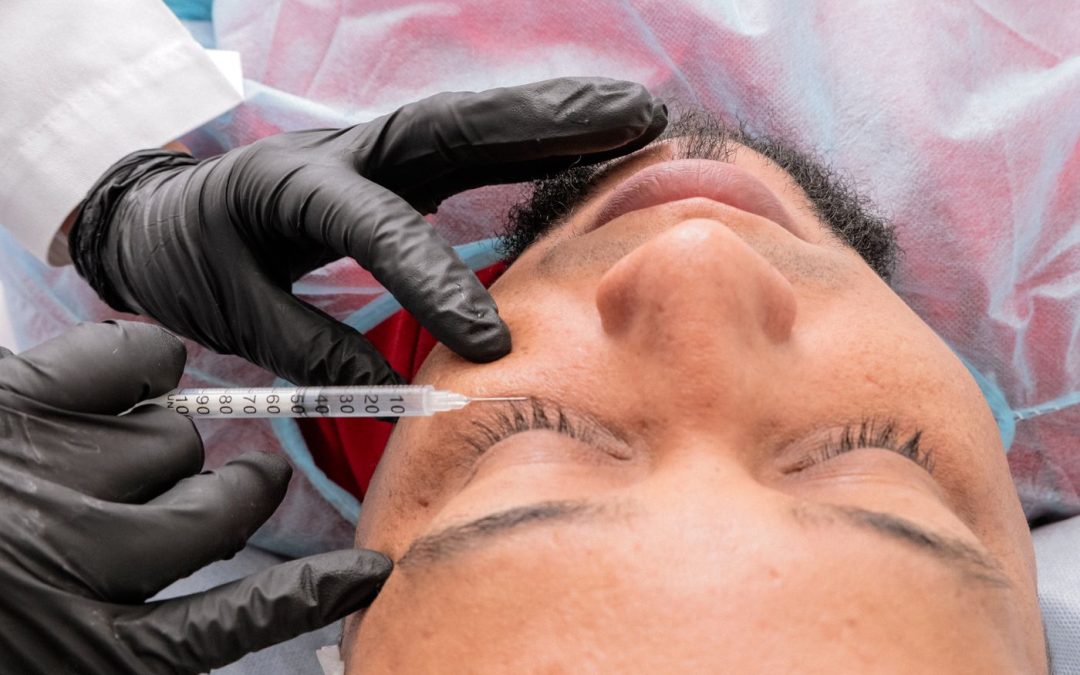
Featured image credit: Omar Medina via Pexels. General stock illustration.
References
- Exploratory study of PDLLA microjet delivery in Asian patients
- Systematic review of injectable hyaluronic acid for facial skin quality
- FDA: Dermal fillers and medical risks
- Clinical study of injectable PDLLA for nasolabial folds
- Systematic review of adverse events associated with hyaluronic acid fillers