
Introduction
Combination acne-scar plans may target more than one problem, but combining procedures does not mean performing everything in one appointment. At Millennium Clinic Kuala Lumpur, a doctor-led assessment can identify scar type, depth, tethering and pigmentation risk before treatment is recommended.
Sylfirm X may address dermal texture, while a skin booster may address hydration. Safe sequencing depends on product sterility, intensity and healing. The best acne-scar plan is based on structure rather than treatment popularity. Results vary, and no procedure can guarantee completely scar-free skin.
Key Takeaways
| Key Point | Summary |
|---|---|
| Why combine? | To address texture and hydration separately. |
| Same day? | Not automatically; staging may reduce inflammation. |
| Which comes first? | RF commonly comes before later injection, but plans vary. |
| Does combination work better? | Superiority is not guaranteed. |
| Who may benefit? | Selected patients with scars plus poor skin quality. |
Understanding Acne-Scar Structure
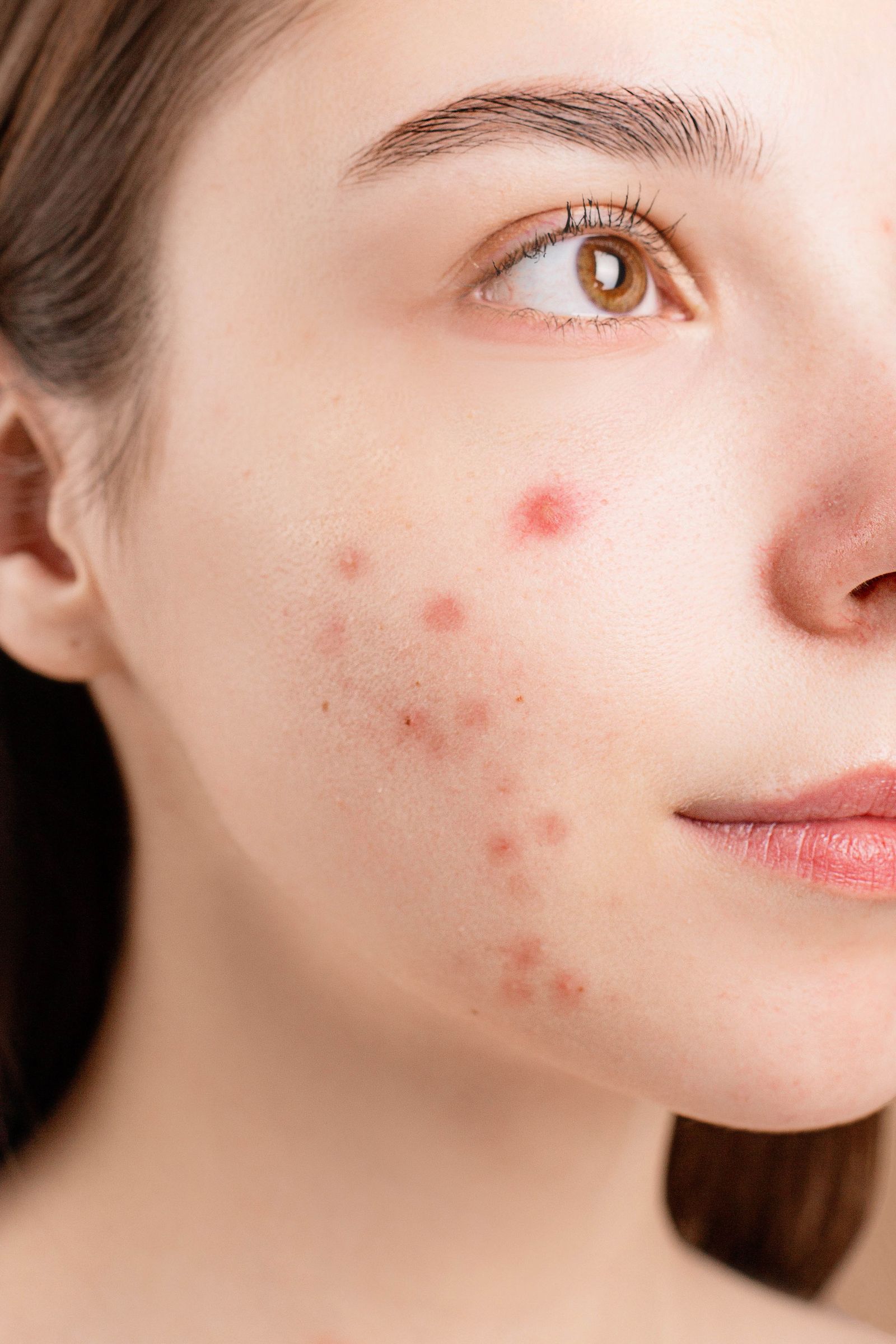
Atrophic acne scars develop when inflammation damages collagen and supporting tissue and healing does not replace the lost structure fully. The American Academy of Dermatology explains that scar treatment should be individualised according to scar type, skin tone, number of scars, budget and other patient factors. Active acne should normally be controlled first to reduce the formation of new scars.
Rolling scars
Rolling scars are broad depressions with sloping edges. Some are tethered by fibrous bands beneath the skin. These bands may prevent a surface treatment from lifting the scar adequately.
Boxcar scars
Boxcar scars have more clearly defined edges. Shallow boxcar scars may respond to resurfacing or collagen-induction treatment, while deeper scars often require a focal procedure before broad resurfacing.
Ice-pick scars
Ice-pick scars have narrow openings but extend deeply. Their shape makes them less responsive to general hydration or mild surface treatment. Focal chemical reconstruction or punch techniques may be considered.
Mixed scars and pigmentation
Many patients have several scar types together with enlarged pores, redness or post-inflammatory hyperpigmentation. Flat brown or red marks are not the same as structural depressions and may require a separate treatment strategy.
Why Treatment Timing Matters
Overlapping inflammation
Both needling and injection create inflammation. Performing them aggressively together may increase swelling and pigmentation.
Barrier disruption
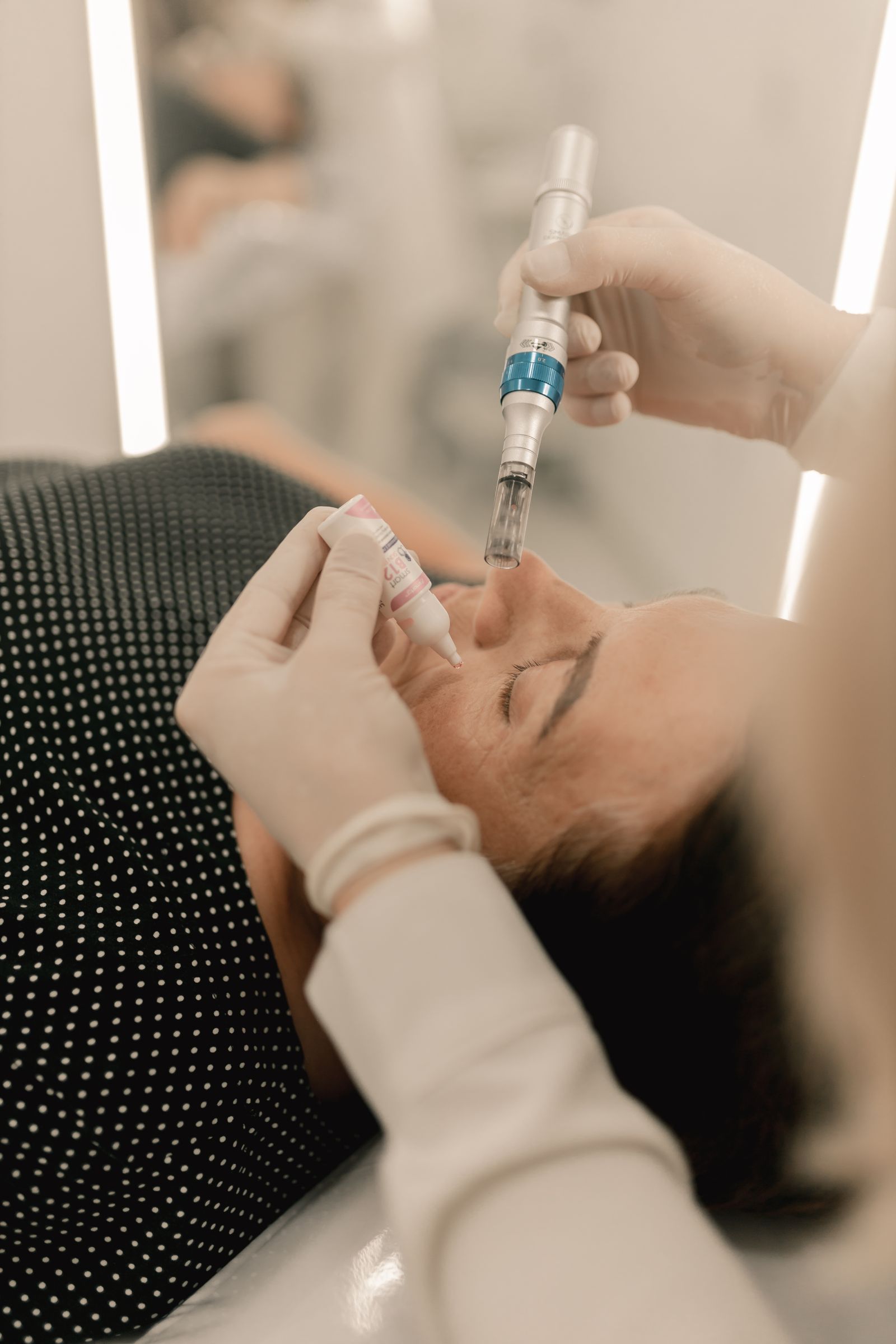
RF microneedling creates channels. Products should not be placed through them unless sterile and medically suitable for that route.
Assessing response
Staging makes it easier to identify which procedure caused a reaction and whether the second treatment remains necessary.
Scar-Type Treatment Guide
| Concern | Possible Approach | Key Limitation |
|---|---|---|
| Shallow rolling scars | Subcision before staged RF and booster treatment | Tethering may still require subcision |
| Deep rolling scars | Subcision followed by staged remodelling | Surface treatment alone may be incomplete |
| Shallow boxcar scars | Sylfirm X followed by reassessment | Several sessions may be required |
| Deep boxcar scars | Focal correction plus resurfacing | Complete levelling is unlikely |
| Ice-pick scars | Focal chemical reconstruction or punch procedure | Broad treatments may not reach the channel |
| Texture and pores | Sylfirm X plus later skin-quality treatment | Pores cannot be permanently removed |
Evidence and Clinical Context
A systematic review of 16 studies involving 481 patients concluded that fractional radiofrequency microneedling is likely effective for acne scarring, while noting that larger trials are needed to establish standardised settings. Evidence for a treatment category does not prove that every device setting, combination or patient will produce the same outcome.
A prospective study involving Asian patients found improvement after three monthly fractional RF treatments, but temporary pain, redness, swelling, crusting and post-inflammatory pigmentation occurred. Investigators advised avoiding excessive coagulation to reduce pigmentation risk.
Evidence for RF microneedling is stronger than evidence for every specific RF-and-booster combination. Separate evidence for two components does not prove superiority of their combination.
Professional Assessment
The doctor should inspect the skin under consistent lighting, examine scars from different angles and gently stretch selected depressions to assess tethering. Previous isotretinoin use, laser treatments, fillers, allergies, cold sores, keloid tendency, medicines and health conditions should be discussed.
Malaysian patients have diverse Fitzpatrick skin types. A history of post-inflammatory pigmentation may justify more conservative settings, longer intervals or a different treatment. Higher energy and deeper needling are not automatically more effective.

Treatment Process
Planning
Every component needs a purpose. The primary structural problem should usually be treated before an optional skin-quality adjunct.
Procedure
Sylfirm X is performed with controlled RF needling. A booster may be injected later when redness and barrier disruption have resolved.
Sessions and timing
A course often extends over several months because visible recovery occurs before deeper collagen remodelling is complete. The number of sessions should be adjusted after reviewing response rather than sold as a universal package.
Follow-up
Early swelling may make depressions look temporarily smoother. Standardised photographs taken after inflammation settles are more reliable than judging the result during the first few days.
Illustrative Treatment Timeline
| Stage | Possible Focus |
|---|---|
| Week 0 | Assessment, photography and active-acne control |
| Weeks 2–6 | Primary RF session followed by recovery before a booster is considered |
| Weeks 6–12 | Healing review and next indicated session |
| Months 3–6 | Assess remodelling, texture and pigmentation |
| After month 6 | Decide whether more treatment offers worthwhile benefit |
Potential Benefits
- Addresses separate treatment goals
- Allows personalised sequencing
- May improve texture and hydration
- Permits adjustment after healing
- Avoids unnecessary same-day intensity
These are potential benefits rather than promises. Improvement depends on scar depth, age, skin biology, treatment settings, consistency and aftercare.
Limitations and Realistic Expectations
- Several appointments may be required.
- Collagen remodelling is gradual.
- Deep scars may remain visible.
- One treatment rarely addresses every mixed scar equally.
- Post-inflammatory pigmentation can occur.
- Combination treatment increases cumulative cost and downtime.
More procedures increase cost and cumulative downtime. Combination is not automatically superior to a well-chosen single treatment.
Who May Benefit?
- Adults whose active acne is controlled
- Patients with atrophic rather than raised scars
- People with realistic expectations
- Patients able to follow sun protection and aftercare
- People willing to attend several appointments when necessary
Who May Need a Different Approach?
Treatment may be postponed for active infection, severe inflamed acne, active herpes, pregnancy, breastfeeding, significant bleeding disorders, impaired healing, uncontrolled immune disease or a strong keloid tendency. Raised scars require a different approach.
Safety and Aftercare
Possible effects include redness, swelling, tenderness, bruising, crusting and temporary darkening. Less common complications include infection, burns, prolonged pigment change and additional scarring. Contact the clinic for worsening pain, spreading redness, pus, blistering or delayed healing.
- Keep the treated skin clean.
- Do not scratch, rub or remove crusts.
- Use a gentle cleanser and recommended moisturiser.
- Pause retinoids, strong acids and scrubs until cleared.
- Apply broad-spectrum sunscreen daily.
- Avoid swimming, strenuous exercise and excessive heat for the advised period.
Why Combination Treatment May Be Considered
Combination treatment is common because scar depth, tethering, edges, pores and pigmentation are separate clinical problems. Subcision can release fibrous attachments, RF microneedling can remodel a broader dermal area, fractional laser can soften selected edges, and a skin booster may improve hydration. These mechanisms are complementary only when the patient actually has the corresponding concerns.
A combination does not have to be performed on the same day. Staging allows inflammation to settle, gives collagen time to remodel and makes it easier to identify which procedure produced a benefit or adverse reaction. Treating too frequently may add inflammation before the previous response can be assessed.
Patients should ask which part of the scar each proposed procedure is intended to treat. If a clinic cannot explain why every component is necessary, the treatment package may be broader than the clinical need.
How to Evaluate Results Fairly
Acne scars change appearance under different lighting. Overhead lighting creates deeper shadows, while soft frontal lighting can make the same scars look less obvious. Before-and-after photographs should therefore use the same camera position, lighting, facial expression and skin condition.
Early swelling can temporarily lift depressed scars and should not be presented as a final result. Collagen remodelling may continue for months, so daily mirror checking is less helpful than scheduled review. A meaningful result may involve softer edges and less shadowing rather than complete disappearance.
Texture, pigmentation and active acne should be evaluated separately. A patient can have meaningful textural improvement while brown marks remain, or improved pigmentation while depressions are unchanged.
Cost and Treatment Planning
Total cost depends on scar severity, number of areas, procedure type, sessions, anaesthesia and aftercare. Patients should request a staged plan showing which treatments are essential, which are optional adjuncts and when progress will be reviewed.
The least expensive session is not always the most economical course if it does not address the underlying scar. Conversely, an expensive multi-procedure package is not automatically superior. A focused plan matched to scar structure is usually more rational than repeating one popular treatment indefinitely.
Preventing New Acne Scars
Existing procedures cannot compensate for uncontrolled acne that continues to damage collagen. Seek medical treatment for persistent nodules or cysts, avoid squeezing lesions and follow prescribed acne therapy consistently. Use non-comedogenic skincare and sunscreen, and attend follow-up when breakouts are not improving.
Sun protection does not remove a depression, but it helps reduce contrast from post-inflammatory pigmentation. In Kuala Lumpur’s year-round ultraviolet exposure, daily broad-spectrum sunscreen, shade and sensible outdoor habits are important throughout recovery.
Questions to Ask Before Treatment
- Which scar types do I have?
- Are any scars tethered?
- What does each proposed treatment target?
- Is the product or device use established, emerging or off-label?
- What downtime and pigmentation risk should I expect?
- When will results be assessed?
- What alternatives are available?
- What symptoms require urgent review?
Preparing for an Acne-Scar Appointment
Bring a list of current medicines and skincare products, including retinoids, exfoliating acids and acne prescriptions. Tell the doctor about previous isotretinoin, laser, peels, fillers, subcision and any reaction that caused prolonged pigmentation. Do not stop prescribed medicine unless the prescribing clinician advises it.
Avoid arriving with sunburn, active dermatitis or a new skin infection. The clinic may advise pausing selected active skincare before an invasive procedure. Preparation varies with the treatment, so generic instructions from social media should not replace the clinic’s protocol.
Plan recovery around work, travel and important events. Even minimally invasive treatment can produce redness, swelling or crusts. In hot and humid Kuala Lumpur, patients should also consider outdoor exposure, sweating and the practicality of reapplying sunscreen.
Long-Term Skin-Care Strategy
Scar treatment is only one part of long-term acne care. Continue the acne-prevention regimen recommended by the doctor, use non-comedogenic moisturiser and protect the skin from ultraviolet exposure. Avoid repeated picking and aggressive home devices, which may worsen inflammation and create additional marks.
Maintenance treatment should be based on a new assessment rather than an automatic package. Once improvement has plateaued, further sessions may add more risk or cost than benefit. It is reasonable to stop when the remaining scars are stable and acceptable to the patient.
Tracking improvement fairly
Use photographs taken with the same camera, distance, lighting and facial position. Strong side lighting can exaggerate shallow depressions, while flat lighting can hide them. Compare images only after redness and swelling have settled, and consider both texture and the patient’s day-to-day confidence rather than judging one enlarged photograph.
Clinical reviews also help separate temporary treatment effects from genuine remodelling. If progress is limited, the next step may be changing the technique, treating a different scar component or stopping—not automatically increasing treatment intensity.
Frequently Asked Questions
Why combine them?
They address different aspects of scarred skin.
Can they be done the same day?
Sometimes, but not automatically.
How long should I wait?
The interval depends on intensity and healing.
Which comes first?
RF commonly comes first.
Can booster be applied through channels?
Only if medically suitable for that route.
Will combination remove scars?
No.
Can it treat rolling scars?
Tethering may still need subcision.
Can it treat pigmentation?
Pigmentation may need another plan.
Is downtime longer?
Cumulative recovery may be greater.
How many sessions?
The course varies.
Who should avoid it?
Patients with relevant contraindications.
How is success assessed?
With photographs after inflammation settles.
Conclusion
Sylfirm X and skin boosters may complement one another when texture and hydration are separate concerns. Timing should be personalised.
Millennium Clinic Kuala Lumpur offers doctor-led acne-scar assessment and personalised planning based on scar structure, skin tone, medical history, downtime and patient goals.