
Introduction
Crow’s feet and frown lines are both dynamic wrinkles, but they arise from different muscles and cannot be treated with one copied injection pattern. At Millennium Clinic Kuala Lumpur, the discussion of crow’s feet vs frown lines Botox starts with the patient’s anatomy, medical background and intended outcome, so the treatment name does not substitute for diagnosis.
Crow’s feet are associated mainly with orbicularis oculi activity beside the eyes. Frown lines involve the glabellar complex, especially corrugator and procerus activity. Brow position and eyelid function connect the two treatment decisions. Response to crow’s feet vs frown lines Botox varies between patients, so no clinician can guarantee the same degree or duration of change for everyone.
Key Takeaways
| Key Point | Summary |
|---|---|
| Where are crow’s feet? | At the outer corners of the eyes, especially during smiling. |
| Where are frown lines? | Between the eyebrows during frowning or concentration. |
| Can both be treated together? | Often, but only after whole upper-face assessment. |
| Can static lines remain? | Yes. Toxin reduces movement but does not fill an etched crease. |
| What is a key risk? | Unwanted brow or eyelid position change. |
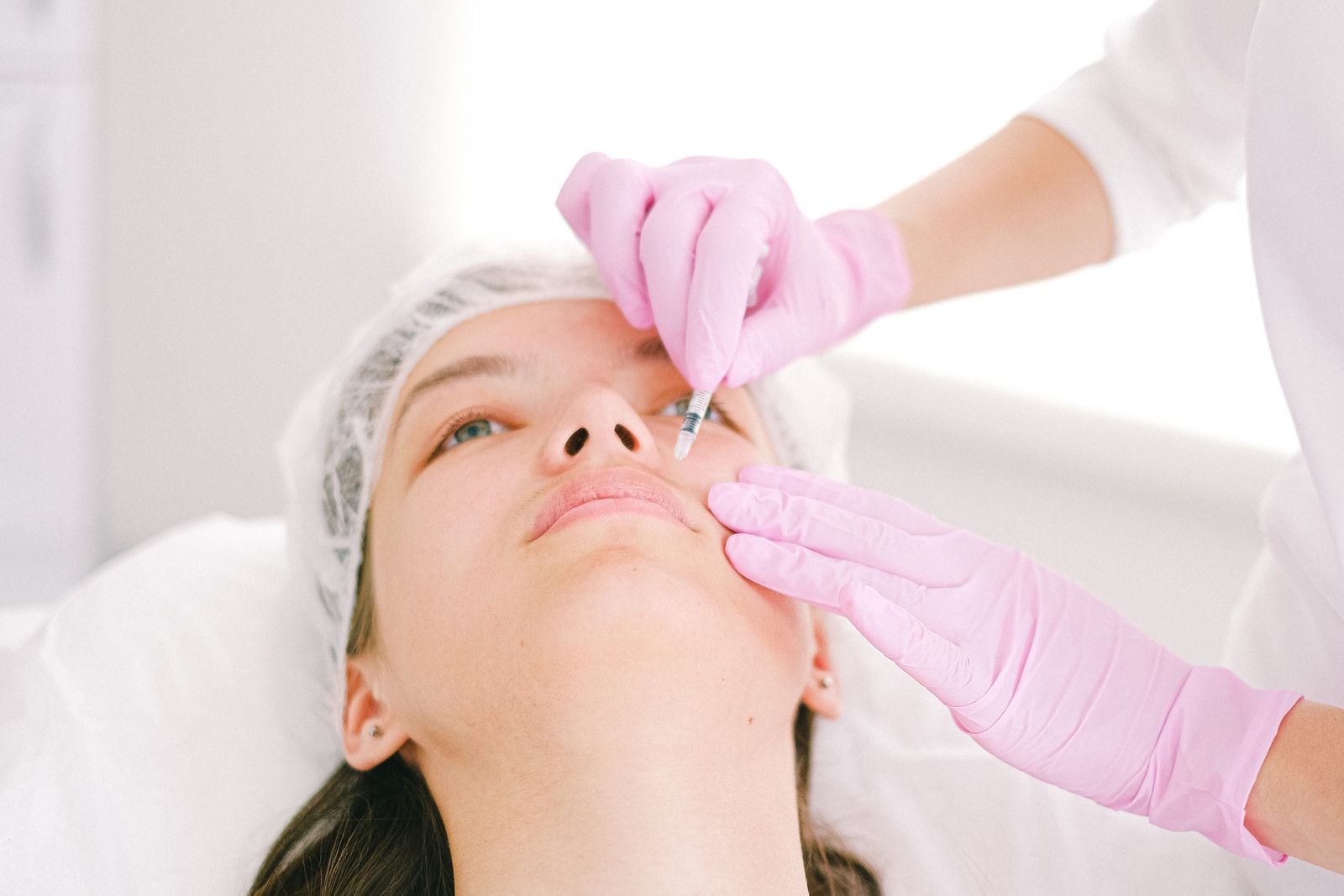
Dynamic Lines and Upper-Face Balance
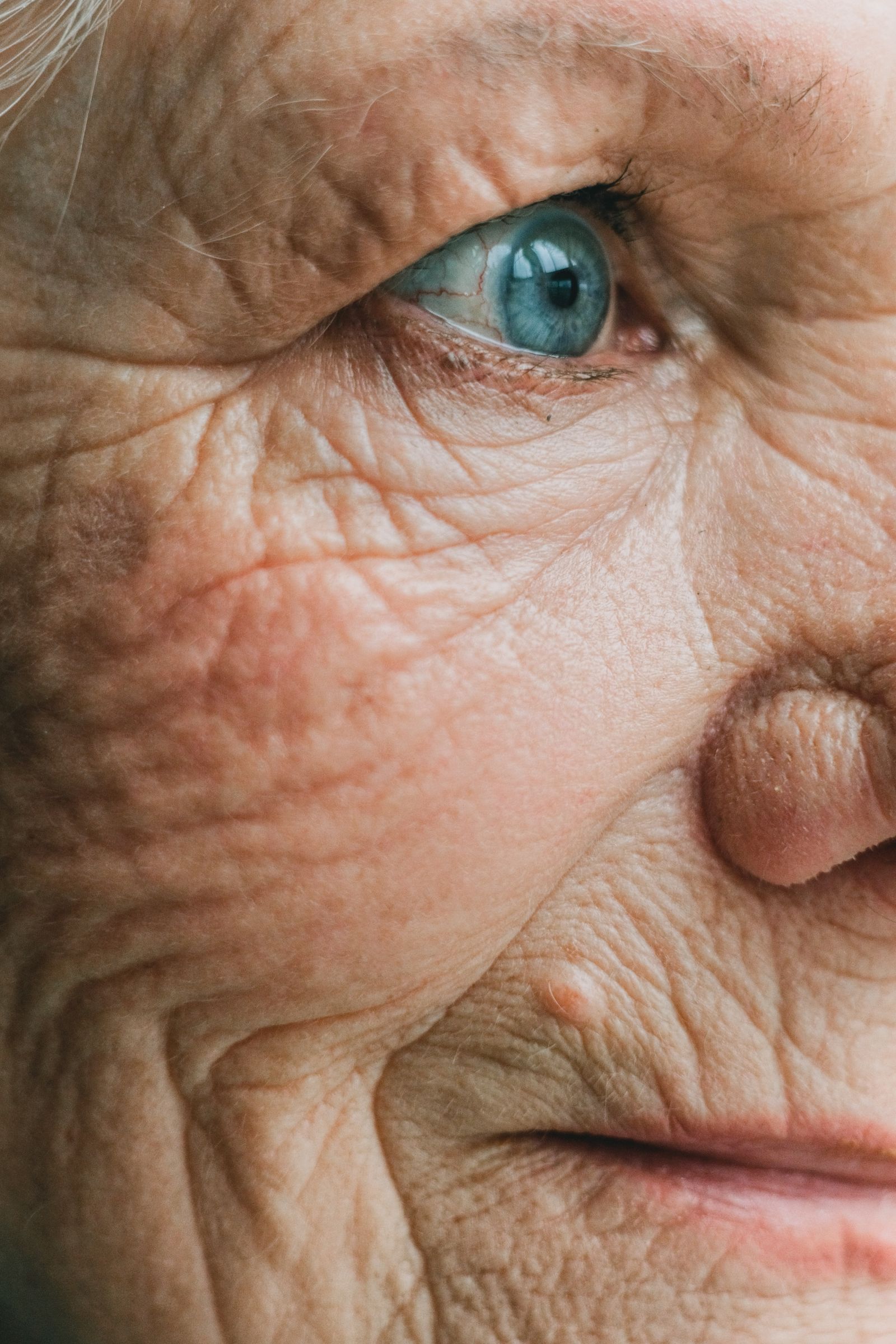
Dynamic lines appear mainly with expression; static lines remain when the face rests. Repeated folding, ultraviolet exposure and collagen loss can turn a dynamic crease into a resting line.
The eyebrows sit within a balance of elevator and depressor muscles. Weakening one area may subtly influence brow shape, which is why the practitioner should observe smiling, frowning, squinting and resting expressions.
How Botox Works
Botox is a brand of botulinum toxin type A; The medicine temporarily reduces acetylcholine release at selected nerve endings; In facial treatment this reduces activity in targeted muscles; in hyperhidrosis treatment it reduces signalling to selected sweat glands; Products have different formulations and units, so doses are not directly interchangeable; For crow’s feet vs frown lines Botox, this mechanism must be interpreted alongside the article-specific issue: Crow’s feet are associated mainly with orbicularis oculi activity beside the eyes. Frown lines involve the glabellar complex, especially corrugator and procerus activity. Brow position and eyelid function connect the two treatment decisions.
Mayo Clinic explains that botulinum toxin injections temporarily prevent selected muscles from moving and are also used for medical concerns including excessive sweating; The intended effect depends on which structure is treated rather than the brand name alone; That evidence is relevant to area-by-area treatment planning, but it does not predict an individual patient’s response.
The FDA prescribing information for onabotulinumtoxinA includes approved cosmetic and medical indications, warnings and area-specific dosing information; Jawline shaping and masseter slimming may be off-label depending on the product and local registration; informed consent should distinguish approved and off-label use; The practical meaning for crow’s feet vs frown lines Botox is therefore narrower than a general marketing claim about the treatment.
A Cochrane review of botulinum toxin type A for facial wrinkles included studies across the glabella, crow’s-feet and other facial regions; Evidence supports temporary improvement, but results and adverse events differ by product, dose, anatomy and study design; This point supports a diagnosis-led plan for crow’s feet vs frown lines Botox, not a standard package for every patient.
Area-by-Area Treatment Planning
Crow’s feet
Selected lateral orbicularis oculi fibres are treated outside the orbital rim. Eye dryness, previous surgery, eyelid laxity and smile pattern matter.
Frown lines
The corrugator and procerus pattern is assessed. Placement that allows product to affect unintended structures can contribute to eyelid or brow droop.
Treating both
A combined plan may create a more balanced result, but treating more areas also increases cost and the number of potential adverse effects. The objective should be defined for each region.
Who May Benefit?
Adults with visible dynamic upper-face lines may be considered when eye health, brow position and medical history are appropriate.
- Patients with expression-related lateral eye lines
- Patients with glabellar frown activity
- People accepting temporary softening
- Patients seeking preserved natural expression
- Those without relevant neuromuscular contraindications
Who May Need a Different Approach?
Active eye infection, significant dry-eye symptoms, certain eyelid problems, neuromuscular disease or unrealistic expectations may alter suitability. Deep static lines may need additional skin-directed care.
Professional Assessment in Kuala Lumpur
An assessment for crow’s feet vs frown lines Botox should identify the exact concern, its severity and the structure responsible; The doctor should compare dynamic lines and upper-face balance with the proposed action of Botox, document a reproducible baseline and explain which visible changes lie outside the treatment’s reach.
The medical review for crow’s feet vs frown lines Botox should cover medicines, allergies, previous procedures, pregnancy or breastfeeding, healing history and any reaction relevant to New eyelid droop, double vision, significant dry eye or unexpected facial weakness should be reported; Breathing or swallowing problems require urgent care; In Kuala Lumpur, frequent ultraviolet exposure, heat and sweating can also influence appointment timing and aftercare.
Treatment Process
Before treatment
Photographs should include rest, full smile and full frown. Baseline brow or eyelid asymmetry should be documented rather than blamed on treatment later.
During treatment
Small injections are placed according to individual muscle activity and product guidance. The practitioner should not use one standard diagram without examining the patient.
After treatment
Early bumps and bruising can occur. The settled effect is generally reviewed after adequate time, not on the next day.
Expected Treatment Course
| Feature | Crow’s feet | Frown lines |
|---|---|---|
| Main movement | Smiling and squinting | Drawing brows inward and down |
| Main region | Lateral eye | Glabella between brows |
| Early effect | Develops over days | Develops over days |
| Review | After effect settles | After effect settles |
| Important risk | Eye symptoms or smile change | Brow or eyelid droop |
This course is an example for crow’s feet vs frown lines Botox, not a prescription; The next step should depend on documented response, tolerability and whether another session is still clinically worthwhile.
Potential Benefits
- Softer expression lines
- Area-specific planning
- Temporary and adjustable effect
- Short appointment
- Ability to preserve expression with conservative treatment
These possible benefits describe why a patient might consider crow’s feet vs frown lines Botox; they are not promised outcomes; Compare photographs only after temporary treatment effects have settled.
Limitations and Realistic Expectations
Toxin cannot remove pigmentation, under-eye bags, tear-trough hollowing or substantial eyelid skin excess. Deep resting creases may soften but remain visible.
Comparison with Other Options
| Concern | Relevant treatment category | Limitation |
|---|---|---|
| Dynamic crow’s feet | Botulinum toxin | Does not correct under-eye volume |
| Dynamic frown lines | Botulinum toxin | Etched crease may remain |
| Sun damage | Skincare or resurfacing | Different pigment and texture target |
| Tear-trough hollowing | Structural assessment | High-risk anatomy for injectables |
| Eyelid skin excess | Surgical assessment | Toxin is not skin excision |
Combination-Treatment Considerations
Upper-face toxin may be combined with skin-quality or resurfacing treatments for static changes, but recovery and treatment sequence should be planned.
Additional procedures should be introduced only when they address a separate diagnosed concern; For crow’s feet vs frown lines Botox, staging may reduce cumulative inflammation and make it clearer which intervention produced a benefit or adverse effect.
Safety Considerations
Common effects include injection-site pain, redness, swelling, bruising and headache; Area-specific unwanted effects can include eyebrow or eyelid droop, altered smile, chewing fatigue, asymmetry, dry-eye symptoms or weakness of a nearby muscle; In this article’s context, the clinician must also consider: New eyelid droop, double vision, significant dry eye or unexpected facial weakness should be reported. Breathing or swallowing problems require urgent care.
Rarely, toxin effects can spread beyond the intended area; Urgent medical attention is required for difficulty swallowing, speaking or breathing, widespread weakness or significant vision symptoms; Treatment may be unsuitable during pregnancy or breastfeeding, with infection at the injection site, certain neuromuscular disorders or relevant medicine interactions; Risk discussion for crow’s feet vs frown lines Botox should be tailored to the anatomical area and the patient’s history.
New eyelid droop, double vision, significant dry eye or unexpected facial weakness should be reported. Breathing or swallowing problems require urgent care.
Recovery and Aftercare
- Do not rub or massage injection points unless instructed. Apply this advice to the planned crow’s feet vs frown lines Botox protocol.
- Follow the clinic’s advice about exercise, heat, alcohol and skincare. Confirm the exact timing for crow’s feet vs frown lines Botox with the treating clinician.
- Allow the effect to develop before requesting additional units. Report any unexpected change during the crow’s feet vs frown lines Botox course.
- Attend review with comparable photographs and expressions. Individual instructions for crow’s feet vs frown lines Botox may be more specific.
- Seek urgent care for swallowing, breathing, speech or major visual symptoms. Keep this point in the written aftercare plan for crow’s feet vs frown lines Botox.
Do not rub around the eyes, and avoid requesting an early touch-up before the first treatment has settled.
Measuring a Result Without Being Misled
Assessment should occur after the expected recovery and biological response, using consistent photographs and the same facial expression or body position; Immediate post-treatment images are poor evidence when redness, swelling or temporary muscle effects are still evolving; For crow’s feet vs frown lines Botox, comparison should focus on the specific outcome described in this article.
The useful question is whether Botox achieved the agreed goal with an acceptable burden; Patients should compare the change with baseline, side effects, cost and maintenance—not with edited social-media images; A modest but stable improvement may be more meaningful than a dramatic early change that disappears; The review should also record the article-specific limitation: Toxin cannot remove pigmentation, under-eye bags, tear-trough hollowing or substantial eyelid skin excess. Deep resting creases may soften but remain visible.
Questions to Ask Before Treatment
- Which muscles create my lines?
- What is my baseline brow position?
- Do I have dry-eye or eyelid risk factors?
- Will natural smiling be preserved?
- Which static lines may remain?
- When should the result be reviewed?
Maintenance and Long-Term Planning
Repeat treatment is considered when relevant movement returns and the upper-face balance is reassessed. The same dose may not remain appropriate forever.
Building a Proportionate Treatment Plan
A proportionate plan connects diagnosis, treatment burden and likely benefit; The online phrase “crow’s feet vs frown lines Botox” is useful for finding information, but it does not tell a doctor which structure is responsible, how severe the concern is or whether Botox is the most suitable option; Examination and medical history should narrow those uncertainties before a package is discussed; For crow’s feet vs frown lines Botox, the decision should remain tied to dynamic lines and upper-face balance.
Define success before the first session
Patients and clinicians should choose one or two realistic endpoints and record a baseline; Success may be partial rather than absolute: a visible reduction, a softer appearance, slower recurrence or a change that makes another treatment unnecessary; A clear endpoint prevents normal variation, flattering lighting or early swelling from being mistaken for durable improvement; The most relevant endpoint here is the one defined under area-by-area treatment planning.
Balance benefit, inconvenience and uncertainty
Ask about appointment number, recovery, maintenance, cost across the whole course and the chance that the concern will respond incompletely; More energy, more product or shorter intervals are not automatically better; When evidence is limited or the use is off-label, informed consent should explain that uncertainty without presenting it as established fact; This keeps the plan centred on crow’s feet vs frown lines Botox instead of a generic treatment package.
Know when to reassess
A planned review should occur after enough time for the relevant biological response; At that point the doctor may continue, lengthen intervals, change technique, investigate another cause or stop; Continuing simply because sessions were prepaid is not a clinical reason; A review of crow’s feet vs frown lines Botox should revisit the original concern described in this article before another session is booked.
It is also useful to record the practical burden: time away from work, discomfort, visible recovery and the effort required for aftercare; A technically measurable change may still be a poor choice if it does not matter to the patient or requires maintenance they do not wish to continue; For crow’s feet vs frown lines Botox, the decision should remain tied to dynamic lines and upper-face balance.
- Can the clinician explain the diagnosis in plain language? Apply this advice to the planned crow’s feet vs frown lines Botox protocol.
- Are alternatives, including no treatment, discussed? Confirm the exact timing for crow’s feet vs frown lines Botox with the treating clinician.
- Are approved and off-label uses distinguished? Report any unexpected change during the crow’s feet vs frown lines Botox course.
- Is there a documented complication pathway? Individual instructions for crow’s feet vs frown lines Botox may be more specific.
- Will the plan change if the response differs from expectations? Keep this point in the written aftercare plan for crow’s feet vs frown lines Botox.
Reasons a Scheduled Session May Change
A current medical check matters at every visit; Infection, irritated skin, a new prescription, recent dental or aesthetic work, pregnancy or an unexpected reaction to the previous session may justify postponement or a revised technique; Escalating intensity is not the default answer to a weak response; reassessing the diagnosis may be more useful; Timing for crow’s feet vs frown lines Botox should account for the recovery and biological response described above.
Fitting Recovery Into Daily Life
Consider outdoor work, exercise, helmets, makeup, shaving and upcoming travel when choosing a date; In Kuala Lumpur, year-round heat and sun can make irritation and pigment precautions harder to follow; Patients should have enough time for ordinary recovery and access to review before an important event; This is especially relevant when the patient’s goal concerns dynamic lines and upper-face balance.
Related Treatment Information
For wider context around crow’s feet vs frown lines Botox, patients can read Millennium Clinic’s Botox treatment in Kuala Lumpur and Botox safety standards in Malaysia. The linked pages cover the broader treatment category, while this article retains ownership of the narrower question about area-by-area treatment planning.
Frequently Asked Questions
Are crow’s feet and frown lines the same?
No.
Can both be treated in one visit?
Often, after assessment.
Will I still smile naturally?
Conservative treatment aims to preserve expression.
Can Botox remove under-eye bags?
No.
Can deep frown lines remain?
Yes, especially when visible at rest.
When do results appear?
Usually over several days, with review after the effect settles.
Can brows drop?
Temporary brow or eyelid position changes are possible.
Can Botox help dry eyes?
It can worsen eye symptoms in some patients; disclose existing dryness.
How long does treatment last?
Several months for many patients, but duration varies.
Is a higher dose better?
No. Dose must balance effect and function.
Conclusion
Crow’s-feet and frown-line Botox planning should reflect different muscles within one connected upper face. Dynamic assessment helps soften lines without ignoring brow position, eyelid function and natural expression.
For patients considering crow’s feet vs frown lines Botox, Millennium Clinic Kuala Lumpur offers doctor-led consultation, individual assessment, evidence-based discussion and follow-up planning.


0 Comments