
Introduction
Two procedures can address different aspects of the same skin concern without needing to be performed together. At Millennium Clinic Kuala Lumpur, a discussion about Juvelook and Sylfirm X should begin with the condition being treated, the patient’s healing capacity and what each procedure is expected to contribute. A staged plan may be considered when there is a clear reason for both treatments, but a combination is not automatically better than a carefully selected single procedure.
For Malaysian patients researching Juvelook and Sylfirm X in Kuala Lumpur, the most useful question is not simply which treatment comes first. It is whether an injectable approach and an energy-based procedure are both appropriate for the diagnosed problem. This article explains how doctors may think about sequencing, assessment intervals and safety, while distinguishing practical clinical reasoning from strong evidence for a particular branded combination.
Key Takeaways
| Key Point | Summary |
|---|---|
| Different approaches | Juvelook is an injectable product; Sylfirm X is an RF microneedling device. |
| Reason to combine | A combination needs two distinct, clinically justified treatment goals. |
| Staged treatment | Separate visits can allow healing and reassessment before another procedure. |
| Evidence limits | General combination studies do not establish a universal Juvelook–Sylfirm X protocol. |
| Scheduling | Sequence and intervals depend on anatomy, treatment intensity, product placement and recovery. |
| Safety | Both procedures carry risks; adding treatments does not remove them. |
Why Combination Treatment Requires a Specific Purpose
Patients often describe a mixture of concerns: uneven texture, visible pores, depressed scars, fine lines or a less supported appearance. These are not necessarily manifestations of one process. An assessment may find surface irregularity alongside a deeper scar attachment, or dryness alongside active inflammatory disease. Treating all of them under a general label such as rejuvenation can obscure which problem matters most.
A useful plan identifies the main concern, a secondary concern if relevant, and an outcome that can be reviewed. For example, a patient may prioritise the appearance of selected shallow scars rather than overall facial contour. Another may be more concerned about texture than scar depth. The purpose of each proposed procedure should be described in those terms, not as a promise of broadly improved skin.
Combination treatment should also have a stopping rule. If the first procedure gives sufficient improvement, another intervention may not be necessary. If the skin develops irritation or a complication, the next planned session may need to be deferred or cancelled. A package purchased in advance should not prevent the doctor from changing a plan when the clinical situation changes.
Understanding the Two Procedures
Juvelook: an injectable approach
Juvelook contains poly-D,L-lactic acid, or PDLLA, with hyaluronic acid. Its intended use involves a gradual tissue response rather than treating it simply as a temporary surface moisturiser. Product preparation, placement and the chosen indication matter. A consultation should identify the exact formulation and explain what improvement is realistically being targeted in the patient’s skin.
The exploratory PDLLA literature in Asian patients includes specific conditions and delivery approaches. It cannot be read as direct evidence for every injectable Juvelook protocol or for combining the product with a particular RF device. The important distinction is between a plausible material mechanism and demonstrated benefit from a precisely defined treatment sequence. Patients should be told when a proposed application is emerging or off-label.
Sylfirm X: RF microneedling
Sylfirm X belongs to the radiofrequency microneedling category. Fine needles deliver RF energy at selected settings and depths. The treatment is different from injections and from a simple home roller. Its effects and risks depend on the device, indication, treatment area, settings and operator experience. Patients should not assume that all RF microneedling devices or protocols are interchangeable.
The American Academy of Dermatology’s microneedling guidance explains that professional microneedling can be used for selected skin concerns and needs appropriate assessment. That general guidance is not proof that a branded RF device produces a particular result or that it should be combined with PDLLA. Ordinary microneedling and energy-assisted microneedling also need to be distinguished when discussing evidence and safety.

When a Staged Plan May Be Considered
A doctor may consider separate stages when two different features require attention and neither procedure adequately addresses the complete picture alone. There should be a reason to expect a useful additional benefit, a manageable cumulative burden and a way to assess the outcome. The patient should understand that any extra benefit remains uncertain and may not justify the additional cost or recovery in every case.
With acne scars, scar classification remains important. A firmly tethered rolling scar may need assessment for a scar-release procedure rather than repeated treatment directed only at surrounding texture. Deep narrow pits may require another approach altogether. Neither combining injections with RF microneedling nor increasing session numbers guarantees correction of a structural problem that has not been recognised.
For skin-quality concerns, a staged plan might help distinguish a response to the first intervention from the effect of a later one. This does not make the assessment a controlled clinical trial, but it can make ordinary follow-up more informative. If everything is performed at once, early swelling and inflammation can make it difficult to judge whether an added procedure was necessary.
What Evidence Supports Combining Procedures?
A published retrospective review of RF microneedling with injectable treatments provides general clinical experience with combinations. A retrospective design has limitations, including differences in patients, treatments and documentation. It is not a product-specific trial establishing the optimal order or safety of Juvelook and Sylfirm X. An absence of recorded complications cannot prove that a combination is risk-free.
Evidence for one treatment used alone is also not automatically evidence for two treatments used together. Interaction, timing, tissue depth and the patient’s condition can change the clinical question. Reliable combination evidence would ideally identify the exact product and device, compare an appropriate alternative, use consistent outcomes and follow patients long enough to capture delayed problems. Patients may ask whether those features are present in the evidence offered.
Before proceeding, ask the clinician to separate what is supported by studies from what reflects their clinical judgement. Both can be relevant, but they are not the same. A responsible explanation does not need to portray uncertainty as failure; it should make uncertainty visible so that the patient can decide whether the proposed plan fits their preferences and tolerance for risk.
Choosing the Sequence
There is no universal sequence suitable for every patient or every area. The doctor should consider the depth and location of previous or planned injections, the intensity of the energy-based treatment, the condition of the skin and the purpose of each stage. Advice based only on a brand pairing is incomplete. A facial area treated conservatively for texture may require different reasoning from one with significant inflammation or complex scarring.
The treatment history is essential. Tell the doctor about previous fillers, biostimulators, threads, lasers, RF procedures and surgery, even when they were performed elsewhere. Dates, locations and product names are more useful than a vague account of having had a booster. If records are unavailable, the clinician may need to take a more cautious approach or postpone treatment while clarifying the history.
Do not use an online schedule to arrange energy treatment over recently injected areas without the injector’s review. Equally, do not assume that adding injections immediately after any device treatment is appropriate. Whether a same-day plan can be justified is a clinical decision, not a convenience decision based only on travel time or a promotion.
How Long Should You Wait Between Stages?
The interval should be explained as part of the personalised plan, with a reason for waiting and conditions for proceeding. Healing, resolution of swelling, an absence of infection and the ability to assess the treated skin are relevant. A calendar interval alone does not establish readiness. If the skin has not recovered as expected, the next stage should not proceed merely because the booked date has arrived.
Avoid treating a quoted interval as a guarantee that injected material has disappeared or that tissue cannot be affected by another procedure. Some products remain in tissues for longer than visible swelling. The clinician needs to account for the material and the planned treatment, rather than relying on how normal the face looks in a selfie. Explain any persistent tenderness, firmness or swelling at the review.
The plan may also need adjustment around work, outdoor activities and important events. Allow time for unexpected recovery rather than scheduling the next stage immediately before a wedding or travel. A cautious timetable is particularly useful when starting a new treatment, because the patient’s individual response is not yet known.
Suitability and Reasons to Delay
Suitable candidates have a clearly defined concern, realistic expectations and skin that can safely undergo the proposed procedures. A doctor should review relevant illnesses, allergies, medications, previous reactions and the tendency to develop pigmentation or abnormal scars. Suitability for Juvelook does not automatically establish suitability for RF microneedling, and the reverse is also true.
Active skin infection, open wounds or significant irritation may require treatment first. Uncontrolled inflammatory acne can complicate scar planning. Pregnancy, breastfeeding, immune-related conditions and medicines affecting healing need individual discussion. Do not stop prescribed medication on your own to qualify for an aesthetic procedure. A recommendation to defer treatment is sometimes the most appropriate outcome of a consultation.
A patient whose goal is complete removal of every scar may not benefit from escalating combinations without first resetting expectations. Severe distress about appearance also deserves a compassionate conversation. Treatment should support wellbeing rather than encourage an endless cycle of interventions in pursuit of an unattainable ideal.
Potential Benefits and Important Limitations
The practical advantage of staging is that it can separate goals and provide a review point between procedures. A doctor may adjust the second stage according to the first result, minimise unnecessary intervention or identify an unexpected response before continuing. This is a planning benefit, not proof that staging itself increases collagen formation or guarantees better cosmetic results.
Possible appearance changes depend on the particular indication and treatment delivered. Improvement may be modest, uneven or difficult to measure. Neither procedure removes all ageing processes or prevents new acne scars. A combination can also increase expense, time commitments and the number of opportunities for adverse effects. The least complex plan that reasonably addresses the concern remains a valid option.
Safety Considerations
RF microneedling should be discussed as a medical procedure. The FDA’s safety communication on certain RF microneedling uses reports serious complications, including burns, scarring, fat loss, disfigurement and nerve damage. This is a category-level warning, not an assertion that a named device will cause these outcomes. It reinforces the need for trained clinicians, appropriate settings, informed consent and timely review of unexpected symptoms.
Injectables have a separate risk profile. Bruising, swelling, discomfort, infection, lumps and delayed reactions may occur. The FDA’s information about injectable filler risks also describes the serious possibility of unintended blood-vessel injection. General US guidance should not be represented as confirmation of Malaysian authorisation for a particular product or use. Ask the provider to explain local product status and the proposed indication.
Juvelook should not be presented as fully reversible because it contains HA. Hyaluronidase acts on HA, not the PDLLA particulate component. A complication involving a mixed product may need a different management approach from a straightforward HA-related problem. Ask how the clinic assesses delayed lumps and how emergency care is arranged if a serious injection complication is suspected.

Recovery and Aftercare Across Two Stages
Follow the instructions for the procedure actually performed on that day. RF microneedling and injections can require different advice, and a combined plan should resolve any conflicting instructions. Keep a written record of what was treated and which products to use or pause. Do not massage injected areas or apply strong skincare immediately unless the treating clinician specifically advises it.
Gentle cleansing, appropriate moisturising and sun protection are often part of recovery, but the precise timing depends on the treated skin. Avoid picking, rubbing or applying unapproved products to damaged areas. In Malaysia’s humid weather, consider sweat, friction and outdoor exposure when planning recovery. Sunscreen complements shade and protective clothing; it does not make irritated skin ready for prolonged sun exposure.
Contact the clinic for increasing redness, worsening pain, unusual swelling, discharge, persistent lumps or unexpected skin changes. Severe pain, skin becoming pale or dusky, visual disturbance or symptoms suggesting a serious reaction require urgent assessment rather than waiting for the next scheduled appointment. A clear after-hours contact and escalation plan should be available before treatment begins.
Measuring Results Without Confusing Swelling with Improvement
Choose a small number of outcomes before starting. Standardised photographs, a scar assessment or a clearly documented texture concern can be more useful than a general statement that the face should look fresher. Use comparable lighting, distance, camera angle and facial expression. Filters, changing makeup and different moisturisers can create apparent improvements unrelated to the procedures.
Early swelling can temporarily soften depressions, while inflammation can make texture look worse. Neither observation establishes the final result. Review should allow for the appropriate recovery and gradual response of the particular treatment. If photographs show little change, discuss whether continuing is reasonable rather than automatically adding another procedure. Satisfaction and objective appearance can differ, and both deserve consideration.
Questions to Ask Before Agreeing to a Package
Ask which concern each treatment addresses, why a single treatment is not sufficient, and what evidence supports the proposed sequence. Clarify the exact product, device, expected number of stages, likely recovery and total anticipated cost. Ask whether the plan can stop after the first stage if the result is adequate or if safety concerns arise.
It is also reasonable to ask how the clinic distinguishes normal recovery from a complication, who performs each procedure and who handles follow-up. Request an explanation of alternative treatments and of choosing no treatment. A meaningful consent discussion gives the patient time to consider the plan without pressure to commit because a package price expires that day.
FAQs
Can Juvelook and Sylfirm X be done on the same day?
That should not be assumed. The decision depends on the indication, treatment area, injection placement, planned device settings and clinician assessment. This article does not establish a safe same-day protocol. A staged approach may be preferred when healing or outcome assessment needs to occur before the next intervention.
Which treatment should come first?
There is no universally correct order. The sequence should follow the main concern and the interaction between the planned procedures. Previous injectable treatments also matter. Ask the doctor to explain the reason for the selected order and the criteria used to decide when the next stage is appropriate.
Will combining them remove acne scars completely?
No treatment combination can promise that. Different scar types may need different methods, and deep or tethered scars can require structural approaches. A sensible goal is improvement in selected features, with realistic limitations. More procedures do not necessarily mean a better response.
Is a longer package better value?
Only if the additional treatments are appropriate and useful. Value includes the expected benefit, risk, follow-up and ability to change the plan. Paying for unnecessary sessions is not an advantage. Confirm what happens if further treatment is not clinically advisable.
Can I continue my usual skincare between stages?
Ask the treating clinician which products can be resumed and when. Acids, retinoids, exfoliants and other irritating products may need temporary adjustment depending on recovery. Continue prescribed treatment only according to medical advice and disclose any irritation before the next appointment.
Conclusion
Juvelook and Sylfirm X may be considered within a staged plan when each has a clear role, but combining brands is not a substitute for diagnosis. The evidence does not support a universal sequence, guaranteed additional benefit or risk-free package. Treatment decisions should remain flexible as the skin heals and the response becomes clearer.
Millennium Clinic Kuala Lumpur offers doctor-led consultation and personalised planning for skin concerns. Discuss Juvelook treatment and Sylfirm X assessment in the context of your skin findings, previous procedures and goals. A careful explanation of benefits, limitations, alternatives and follow-up can help determine whether one treatment, a staged combination or no procedure is the most appropriate next step.
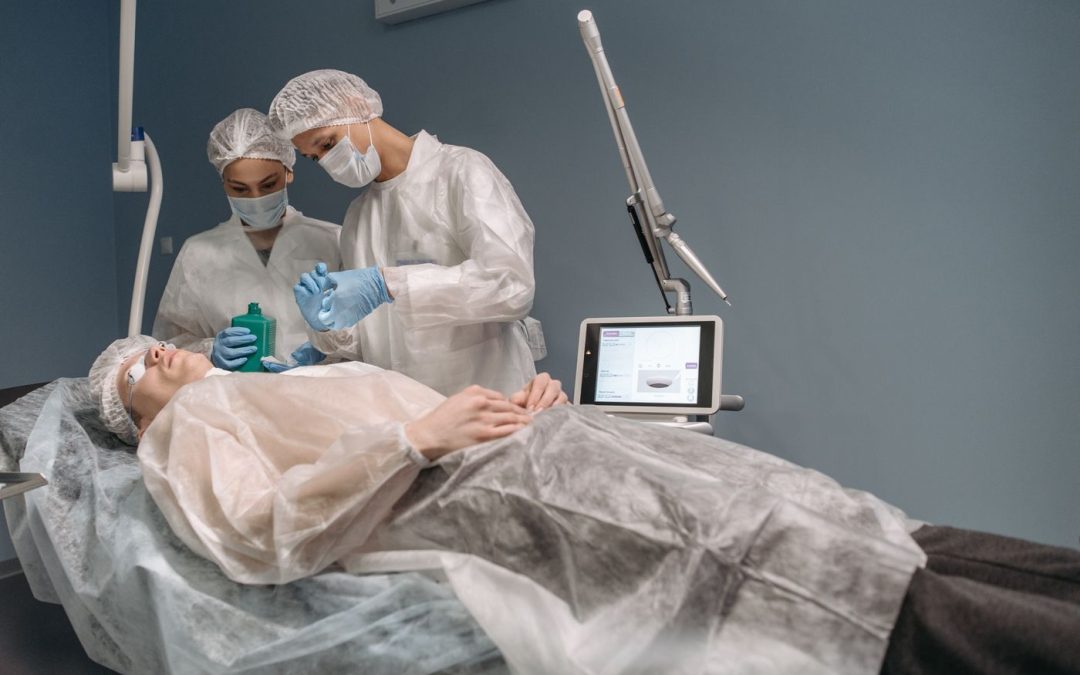
Featured image credit: Pavel Danilyuk via Pexels. General stock illustration.