
Introduction
Laser hair removal can be performed on many Malaysian skin tones, but safe treatment depends on more than choosing a popular machine. At Millennium Clinic Kuala Lumpur, the discussion of laser hair removal for Malaysian skin starts with the patient’s anatomy, medical background and intended outcome, so the treatment name does not substitute for diagnosis.
The central issue is the balance between heating pigment in the hair and protecting pigment in the surrounding skin. Darker skin contains more competing melanin, so wavelength, pulse duration, cooling and conservative settings require careful selection. Response to laser hair removal for Malaysian skin varies between patients, so no clinician can guarantee the same degree or duration of change for everyone.
Key Takeaways
| Key Point | Summary |
|---|---|
| Can darker skin be treated? | Yes, with suitable technology, settings and experienced clinical oversight. |
| What determines safety? | Skin tone, recent tanning, hair colour, wavelength, pulse duration, cooling and technique. |
| Is one laser always best? | No. Device choice must be matched to the patient and treatment area. |
| Can pigmentation occur? | Yes. Temporary or persistent darkening or lightening is possible. |
| Are results permanent? | Long-term reduction is possible, but maintenance may be needed. |
Why Skin Tone Changes Laser Planning
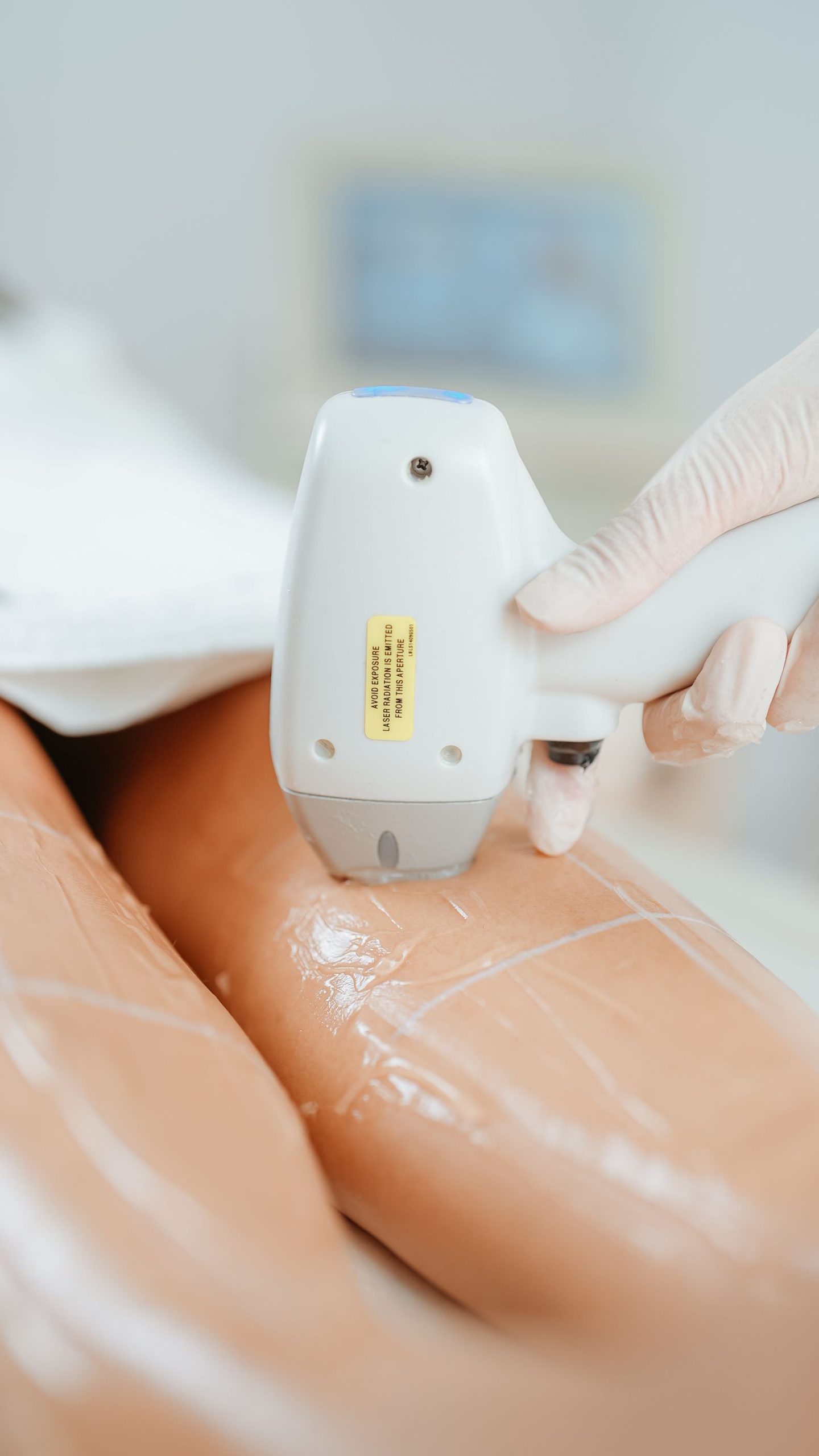
Laser energy is attracted to pigment. The desired target is melanin within a dark hair, but epidermal melanin can also absorb energy. When too much heat accumulates near the surface, burns, blistering or pigment change may occur. This is why a setting appropriate for untanned light skin may not be appropriate for deeper skin tones or recently sun-exposed skin.
Fitzpatrick skin typing provides a broad estimate of how skin responds to ultraviolet exposure, but it is not a substitute for examining the actual treatment area. The face, underarms, bikini line and legs may differ in colour, hair density and sensitivity. Previous pigment reactions and tanning are also relevant.
How Laser Hair Removal Works
Laser hair removal uses light absorbed by melanin in the hair shaft and follicle; The absorbed energy becomes heat and can impair the follicle’s ability to produce another coarse hair; It is more accurate to describe the outcome as long-term hair reduction rather than guaranteed permanent removal because follicles can recover and new hormonally influenced hair can develop; For laser hair removal for Malaysian skin, this mechanism must be interpreted alongside the article-specific issue: The central issue is the balance between heating pigment in the hair and protecting pigment in the surrounding skin. Darker skin contains more competing melanin, so wavelength, pulse duration, cooling and conservative settings require careful selection.
Mayo Clinic explains that skin colour, hair colour and the treatment plan influence both results and risk; Dark hair generally responds better because it contains more target pigment, while white, grey, very light blonde and some red hair may respond poorly; Most patients require a series because follicles are not all in the same growth phase at one time; That evidence is relevant to device choice, wavelength and cooling, but it does not predict an individual patient’s response.
People with brown or black skin can undergo treatment, but epidermal melanin competes for light energy; A systematic review of laser and light hair reduction in skin types III to VI found broadly similar outcomes among several modalities while highlighting differences in adverse-event profiles; Device selection, wavelength, cooling, pulse duration and operator experience all matter; a brand name alone does not establish safety; The practical meaning for laser hair removal for Malaysian skin is therefore narrower than a general marketing claim about the treatment.
The American Academy of Dermatology warns that inexperienced laser treatment can cause burns, blisters, infection or dark marks; Patients should disclose tanning, previous reactions, medicines and conditions that affect hair growth before treatment; This point supports a diagnosis-led plan for laser hair removal for Malaysian skin, not a standard package for every patient.
Device Choice, Wavelength and Cooling
Wavelength
Longer wavelengths are often considered when more epidermal pigment is present because their interaction with melanin and tissue depth differs. This does not mean that a particular wavelength is automatically safe; pulse structure, fluence, spot size and technique remain important.
Cooling
Contact cooling, chilled air or cryogen can help protect the epidermis and improve comfort. Cooling cannot compensate for an unsuitable parameter or poor contact.
Patch testing
A test area may help assess short-term skin response, particularly when skin is deeply pigmented, recently treated or there is a history of pigment change. A normal patch test reduces uncertainty but cannot rule out every later reaction.
Who May Benefit?
Patients most likely to respond have pigmented terminal hairs that can be distinguished from the surrounding skin.
- Coarse dark hair
- Patients able to avoid tanning around treatment
- People willing to complete a course
- Patients with realistic long-term reduction goals
- People able to follow sun protection and aftercare
Who May Need a Different Approach?
Treatment may be ineffective for white, grey or very light hair. It may be postponed for recent tanning, active dermatitis, infection, open wounds or medicines that increase photosensitivity. Fine facial hair requires particular caution because paradoxical stimulation has been reported.
Professional Assessment in Kuala Lumpur
An assessment for laser hair removal for Malaysian skin should identify the exact concern, its severity and the structure responsible; The doctor should compare why skin tone changes laser planning with the proposed action of Laser Hair Removal, document a reproducible baseline and explain which visible changes lie outside the treatment’s reach.
The medical review for laser hair removal for Malaysian skin should cover medicines, allergies, previous procedures, pregnancy or breastfeeding, healing history and any reaction relevant to A clinic should be able to explain why the selected platform and parameter range are appropriate for the patient’s present skin colour, not only their ethnic background; In Kuala Lumpur, frequent ultraviolet exposure, heat and sweating can also influence appointment timing and aftercare.
Treatment Process
Before treatment
The doctor should document skin colour, hair colour, density, tanning history, previous reactions and relevant medicines. Waxing and plucking are usually stopped because the follicular target needs to remain present; shaving instructions vary by clinic.
During treatment
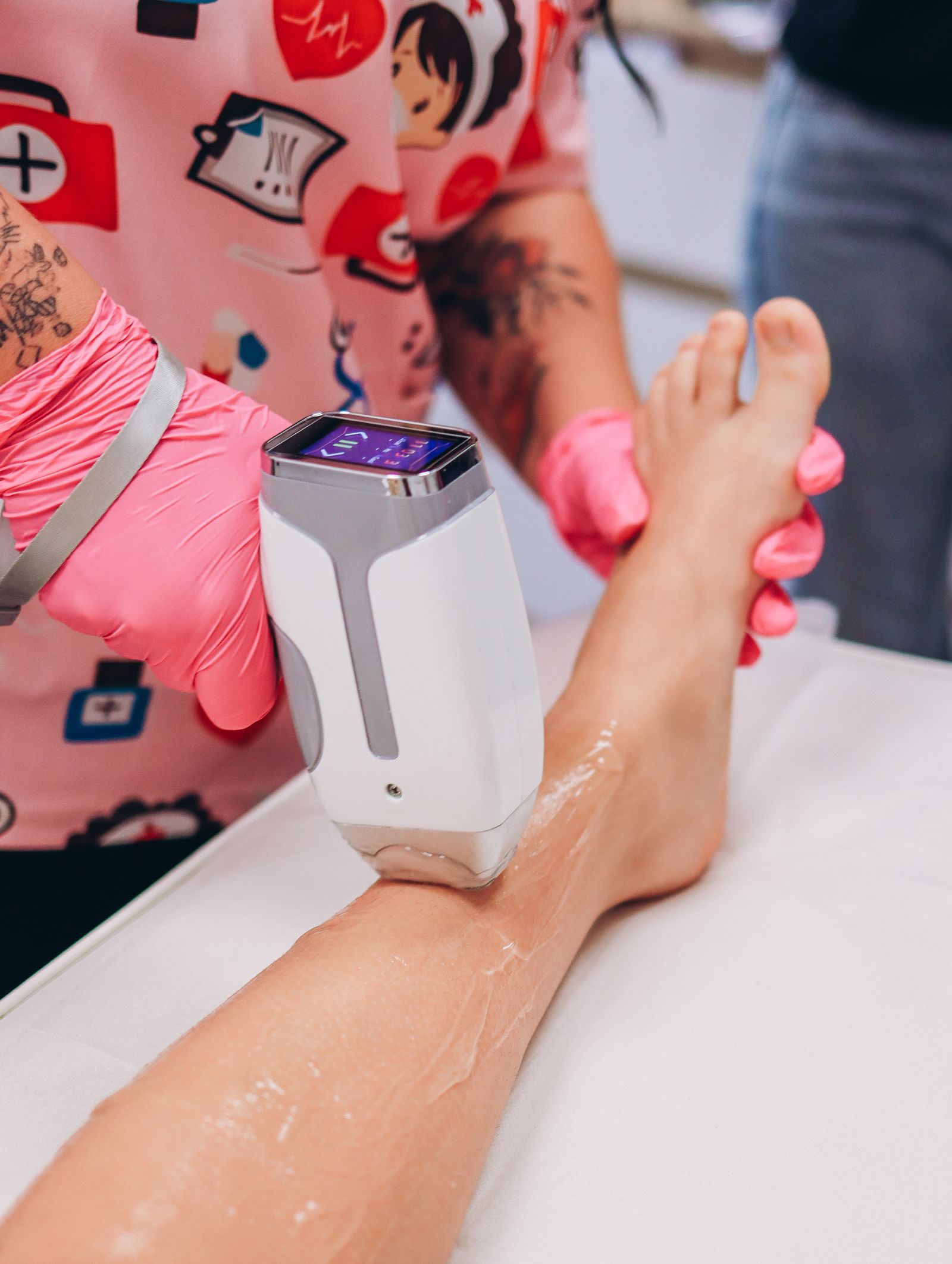
Protective eyewear is used. The handpiece is applied to the treatment area, commonly with integrated or external cooling. A snapping or warm sensation may be felt. Parameters may differ between facial and body regions.
After treatment
Temporary perifollicular redness or swelling can occur. Patients should receive written advice about cooling, moisturiser, sun protection and when active skincare may be restarted.
Expected Treatment Course
| Stage | What to expect |
|---|---|
| Consultation | Skin and hair assessment; review tanning and medicines |
| Test area when indicated | Observe short-term response before a larger session |
| Treatment course | Several sessions spaced according to body area and regrowth |
| Review | Compare density and coarseness rather than expecting zero hair |
| Maintenance | Consider only when meaningful regrowth returns |
This course is an example for laser hair removal for Malaysian skin, not a prescription; The next step should depend on documented response, tolerability and whether another session is still clinically worthwhile.
Potential Benefits
- Long-term reduction of suitable coarse hair
- Less shaving-related irritation for some patients
- Treatment of larger areas
- Gradual reduction in hair density and coarseness
- Potential improvement in recurrent ingrown-hair burden
These possible benefits describe why a patient might consider laser hair removal for Malaysian skin; they are not promised outcomes; Compare photographs only after temporary treatment effects have settled.
Limitations and Realistic Expectations
Laser treatment is less effective for hair with little target pigment. It does not correct hormonal causes of new growth, and it cannot guarantee permanent absence of every follicle. Results vary by body area, hair cycle and adherence.
“Safe for all skin tones” should never be interpreted as “the same setting for all skin tones.”
Comparison with Other Options
| Option | Main advantage | Limitation |
|---|---|---|
| Laser | Long-term reduction for suitable pigmented hair | Requires several sessions and appropriate skin–hair contrast |
| IPL | Broad-spectrum light; available on some platforms | Not a laser and highly device dependent |
| Electrolysis | Can treat individual hairs with little pigment | Slow for large areas |
| Waxing or threading | Immediate temporary removal | Removes the follicular target needed for laser sessions |
| Shaving | Low cost and compatible between sessions | Temporary and may cause irritation |
Combination-Treatment Considerations
Laser may be combined with medical management when excess hair has a hormonal cause. Treating the visible hair and treating the biological driver are different objectives.
Additional procedures should be introduced only when they address a separate diagnosed concern; For laser hair removal for Malaysian skin, staging may reduce cumulative inflammation and make it clearer which intervention produced a benefit or adverse effect.
Safety Considerations
Expected short-term effects include perifollicular redness, mild swelling, warmth or temporary tenderness; Less common complications include blistering, crusting, prolonged hyperpigmentation, hypopigmentation, scarring, infection and paradoxical stimulation of nearby hair; Eye protection is essential, and treatment should not be performed over the eyelids or directly around the eyes; In this article’s context, the clinician must also consider: A clinic should be able to explain why the selected platform and parameter range are appropriate for the patient’s present skin colour, not only their ethnic background.
Pregnancy, active infection, significant dermatitis, recent tanning, photosensitising medicine and a history of poor healing may lead to postponement or modification; Patients should never stop prescribed medicine simply to attend a cosmetic appointment; the prescribing clinician and treating doctor should advise; Risk discussion for laser hair removal for Malaysian skin should be tailored to the anatomical area and the patient’s history.
A clinic should be able to explain why the selected platform and parameter range are appropriate for the patient’s present skin colour, not only their ethnic background.
Recovery and Aftercare
- Use cool compresses if advised for temporary warmth or swelling. Apply this advice to the planned laser hair removal for Malaysian skin protocol.
- Avoid scratching, harsh exfoliation and fragranced products until irritation settles. Confirm the exact timing for laser hair removal for Malaysian skin with the treating clinician.
- Use broad-spectrum sunscreen and minimise deliberate tanning. Report any unexpected change during the laser hair removal for Malaysian skin course.
- Do not wax, pluck or thread hairs between sessions unless the clinic specifically advises otherwise. Individual instructions for laser hair removal for Malaysian skin may be more specific.
- Contact the clinic for blistering, increasing pain, spreading redness or persistent pigment change. Keep this point in the written aftercare plan for laser hair removal for Malaysian skin.
In sunny Kuala Lumpur, ultraviolet protection is a practical safety measure throughout the course. Treatment should be delayed if the area is sunburned or significantly tanned.
How to Review Progress Objectively
Repeat photographs with the same camera, distance, lighting and position; Compare the specific endpoint agreed before Laser Hair Removal, not a general impression after flattering lighting or temporary swelling; Early redness can exaggerate texture, while swelling can briefly hide depressions or create fullness; For laser hair removal for Malaysian skin, comparison should focus on the specific outcome described in this article.
For laser hair removal for Malaysian skin, meaningful improvement may be partial; The review should record what changed, what remained and whether the difference is valuable enough to justify further treatment; Perfect symmetry, complete removal and permanent prevention of ageing are rarely realistic endpoints; The review should also record the article-specific limitation: Laser treatment is less effective for hair with little target pigment. It does not correct hormonal causes of new growth, and it cannot guarantee permanent absence of every follicle. Results vary by body area, hair cycle and adherence. “Safe for all skin tones” should never be interpreted as “the same setting for all skin tones.”
Questions to Ask Before Treatment
- Which laser or light platform will be used?
- Why is it suitable for my present skin tone?
- What experience do you have with similar skin tones?
- Is a patch test appropriate?
- Which side effects require urgent review?
- How will regrowth be measured?
Maintenance and Long-Term Planning
Maintenance is based on meaningful regrowth rather than an automatic monthly appointment. Hormonal changes, pregnancy, menopause and some medicines may alter future hair growth.
How to Decide Whether This Treatment Fits Your Goal
Begin with the problem, not the procedure; Someone searching for “laser hair removal for Malaysian skin” should first identify the visible change that matters, where it occurs and how it affects daily life; The clinician can then decide whether Laser Hair Removal acts on the relevant tissue; If the proposed mechanism does not match the concern, a familiar treatment name is not a good reason to proceed; For laser hair removal for Malaysian skin, the decision should remain tied to why skin tone changes laser planning.
Convert the goal into something observable; Depending on the concern, this may mean fewer coarse hairs, softer movement, improved contour, less obvious texture or a gradual change in facial support; Baseline photographs should be taken before temporary swelling or redness can distort comparison; The plan should also state what treatment is unlikely to change; The most relevant endpoint here is the one defined under device choice, wavelength and cooling.
Evidence, device and consent
Ask whether the evidence relates to the exact product, platform, anatomical area and indication being offered; Findings from one device or facial zone cannot always be transferred to another; Approved uses, off-label uses and emerging evidence should be described separately, with alternatives and the option of no treatment; This keeps the plan centred on laser hair removal for Malaysian skin instead of a generic treatment package.
Review and stopping rules
Agree when progress will be reviewed and what would justify pausing; Treatment should not continue automatically when improvement has plateaued, adverse effects are accumulating or the original diagnosis appears incorrect; A responsible plan includes total-course expectations, likely maintenance and a route for urgent review; A review of laser hair removal for Malaysian skin should revisit the original concern described in this article before another session is booked.
- Who will assess and perform the treatment? Apply this advice to the planned laser hair removal for Malaysian skin protocol.
- What exact device or product will be used? Confirm the exact timing for laser hair removal for Malaysian skin with the treating clinician.
- How will progress be photographed or measured? Report any unexpected change during the laser hair removal for Malaysian skin course.
- What downtime and uncommon complications are relevant? Individual instructions for laser hair removal for Malaysian skin may be more specific.
- When would the clinician recommend stopping or changing course? Keep this point in the written aftercare plan for laser hair removal for Malaysian skin.
When to Delay or Reconsider Treatment
Active infection, significant inflammation, sunburn, open wounds or another problem affecting healing should be assessed before proceeding; New medicine, pregnancy, breastfeeding, recent surgery or another aesthetic procedure can also alter timing; Repeating a treatment despite worsening pain, spreading redness, blistering, discharge or impaired function is unsafe; contact the clinic promptly; Timing for laser hair removal for Malaysian skin should account for the recovery and biological response described above.
Planning Around Work and Kuala Lumpur Conditions
Minimal downtime does not mean no visible recovery; Leave a buffer before weddings, important meetings or travel in case bruising, tenderness or swelling lasts longer than average; Kuala Lumpur’s heat, humidity and ultraviolet exposure make sunscreen, sweat management and realistic aftercare especially important; This is especially relevant when the patient’s goal concerns why skin tone changes laser planning.
Related Treatment Information
For wider context around laser hair removal for Malaysian skin, patients can read Millennium Clinic’s Laser Hair Removal in Kuala Lumpur and A patient guide to longer-term laser hair reduction. The linked pages cover the broader treatment category, while this article retains ownership of the narrower question about device choice, wavelength and cooling.
Frequently Asked Questions
Is laser hair removal safe for brown skin?
It can be, but appropriate technology, conservative settings, cooling and operator experience are important.
Which laser is best?
There is no universal best device. Suitability depends on skin, hair and treatment area.
Can it cause dark marks?
Yes. Post-inflammatory hyperpigmentation is possible, especially after excessive heat or sun exposure.
Will I need a patch test?
It may be recommended when risk is uncertain.
Does darker skin need more sessions?
Not necessarily; hair and device factors matter more than a simple skin-colour rule.
Can I tan between sessions?
Deliberate tanning can increase risk and should be avoided.
Can blonde hair be treated?
Response is usually limited because there is little target pigment.
Can laser be used over tattoos?
Treatment is generally avoided directly over tattoos because pigment can absorb energy.
Is there downtime?
Most patients have limited downtime, but redness and swelling may occur.
Are results permanent?
Long-term reduction is possible, but regrowth and maintenance can occur.
Conclusion
Laser hair removal for Malaysian skin can be planned safely when treatment is matched to the patient’s actual skin tone, hair characteristics and medical context. Device labels and promotional claims should never replace clinical assessment.
For patients considering laser hair removal for Malaysian skin, Millennium Clinic Kuala Lumpur offers doctor-led consultation, individual assessment, evidence-based discussion and follow-up planning.


0 Comments