
Can BabyGlow Redensity 1 Improve Skin Texture After Acne? What You Need to Know
Introduction
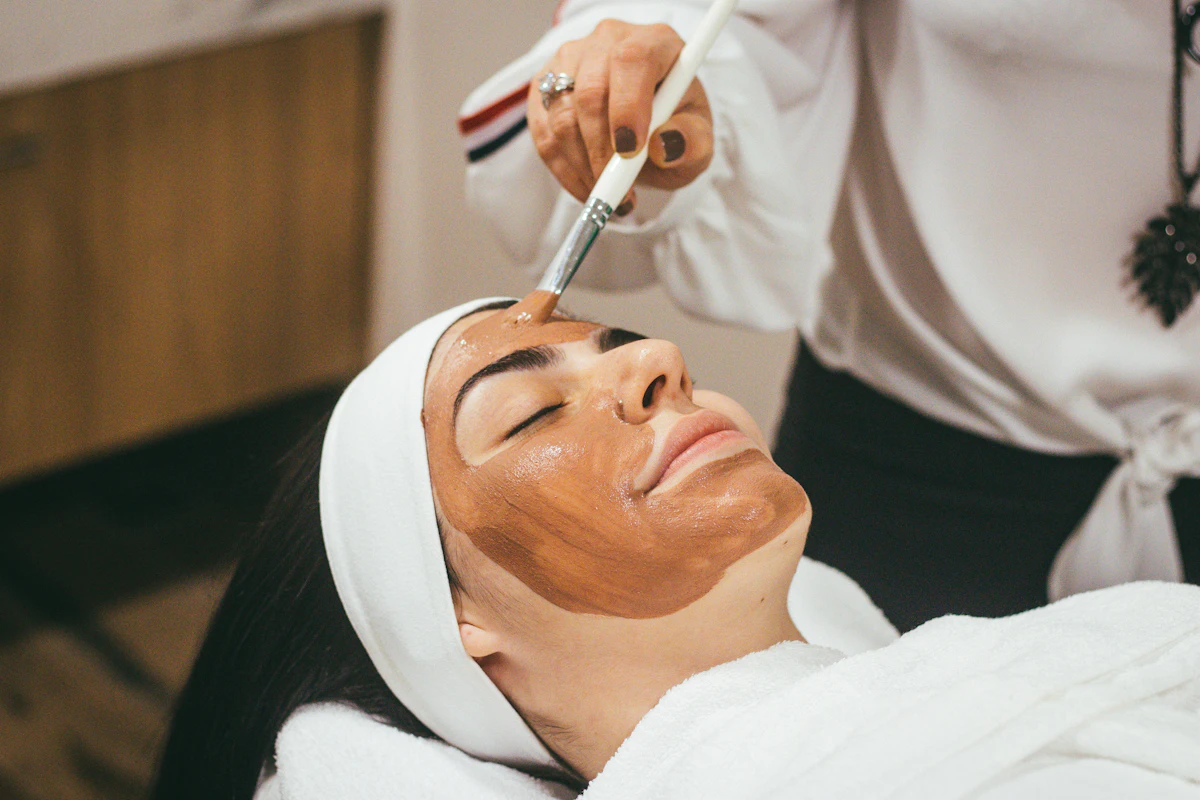
Post-acne skin texture is one of the most common reasons patients visit an aesthetic clinic in Kuala Lumpur. After active acne settles, many people are left with skin that feels uneven, rough, bumpy, dry, dull, or visibly marked. Some patients describe it as “tiny holes”, “rough pores”, “old acne marks”, “uneven surface”, or skin that no longer looks smooth under makeup or natural lighting.
This is where treatments such as BabyGlow Redensity 1 are often discussed. Many patients search for BabyGlow Redensity 1 in Malaysia for skin texture after acne because they want to know whether a skin booster-style treatment can help improve hydration, glow, skin quality, and overall smoothness after acne.
The answer is: it may help selected patients with post-acne dullness, dryness, mild uneven texture, and overall skin quality, but it is not a one-size-fits-all acne scar treatment. Deep acne scars, ice-pick scars, rolling scars, boxcar scars, active acne, pigmentation, and enlarged pores may require a different or combined approach. A proper skin assessment is important before deciding whether BabyGlow Redensity 1, laser, microneedling, chemical peel, subcision, skin booster, or another acne texture treatment KL option is suitable.
Acne is a common skin condition that occurs when hair follicles become clogged, and it can sometimes lead to scarring, as explained by MedlinePlus on acne. Treatments for acne scars vary depending on scar type, skin colour, depth, active inflammation, downtime tolerance, and patient goals. The American Academy of Dermatology explains that acne scars rarely disappear completely on their own, although treatment can help make them less noticeable.
For Malaysian patients, especially those living in hot, humid, high-UV environments such as Kuala Lumpur, treatment planning should also consider sun exposure, post-inflammatory hyperpigmentation, sensitive skin, acne recurrence, and realistic expectations.
Key Takeaways
| Key Point | Summary |
|---|---|
| Can BabyGlow Redensity 1 improve skin texture after acne? | It may improve hydration, skin glow, dullness, and mild rough texture, but deeper acne scars usually need collagen-stimulating or resurfacing treatments. |
| Is it the same as acne scar treatment? | No. BabyGlow Redensity 1 is more suitable for skin quality support, while acne scar treatment may involve lasers, microneedling, subcision, chemical peels, or combination therapy. |
| Who may benefit from BabyGlow treatment Kuala Lumpur? | Patients with post-acne dullness, dryness, mild unevenness, tired-looking skin, or early textural changes may be suitable after doctor assessment. |
| Who may need other treatments instead? | Patients with deep pitted scars, active acne, severe pigmentation, keloid tendency, infection, or uncontrolled skin inflammation may need a different plan. |
| How many sessions are needed? | Multiple sessions may be recommended depending on skin condition, treatment goals, and response. Maintenance may also be required. |
| Is it safe for Malaysian skin types? | It can be suitable for many skin types when performed by trained medical professionals, but risks such as redness, swelling, bruising, irritation, and pigmentation changes should be discussed. |
| Can it treat acne marks? | It may support overall skin quality, but brown acne marks, red acne marks, and depressed scars need different assessment and may require combination treatment. |
| Where should I start? | Begin with a doctor-led skin consultation at an aesthetic clinic Kuala Lumpur to identify whether your concern is texture, acne scars, pigmentation, active acne, or skin dehydration. |
Understanding Post-Acne Skin Texture
Post-acne texture is not just one problem. Many patients use the word “texture” to describe different concerns. Some are related to scarring, while others are caused by dehydration, enlarged pores, clogged pores, pigmentation, or slow skin renewal.
Rough Skin After Acne
Rough skin after acne may feel dry, bumpy, uneven, or grainy when touched. It may look worse under bright light or when wearing foundation. This roughness can be caused by:
- Dead skin build-up
- Skin dehydration
- Enlarged pores
- Congested pores
- Mild post-inflammatory changes
- Shallow textural scars
- Damaged skin barrier after harsh acne products
In some patients, rough skin after acne Kuala Lumpur concerns are worsened by heat, sweat, pollution, frequent mask-wearing, and inconsistent sunscreen use.
Acne Marks Versus Acne Scars
Acne marks and acne scars are not the same.
Acne marks usually refer to colour changes after acne. These can appear as brown spots, red marks, or darker patches. They may gradually fade but can take time, especially if the skin is exposed to UV radiation.
Acne scars refer to structural changes in the skin. These may appear as dents, pits, uneven depressions, or raised scars. According to the American Academy of Dermatology’s acne scar guidance, different scar types may need different treatments, including laser procedures, injections, resurfacing, or other dermatologist-guided methods.
Dull Skin After Acne
Dull skin after acne can happen when the skin barrier is irritated, dehydrated, inflamed, or not exfoliating evenly. Many patients who previously used strong acne products may experience dryness, tightness, sensitivity, and uneven radiance.
This is one reason patients search for dull skin treatment Kuala Lumpur or skin booster Kuala Lumpur. They may not only want scar improvement but also healthier-looking, more hydrated, smoother skin.
What Is BabyGlow Redensity 1?
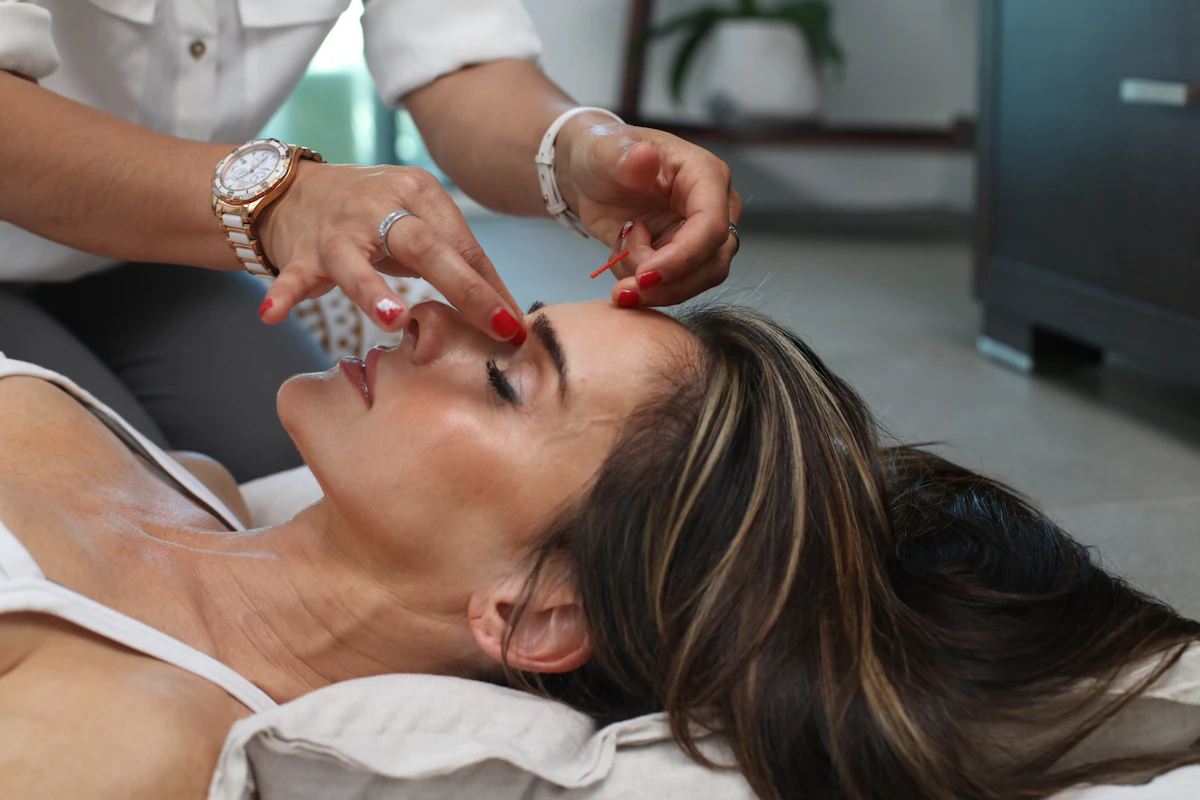
BabyGlow Redensity 1 is commonly discussed in aesthetic settings as a skin quality or skin booster-style treatment. In general, skin booster treatments aim to improve hydration, radiance, elasticity, and overall skin appearance by delivering skin-supporting ingredients into or near the skin.
The exact treatment protocol, product composition, injection technique, depth, spacing, and number of sessions may vary depending on the clinic, product used, doctor preference, and patient condition. Because naming can vary across clinics, patients should always confirm what product is being used, whether it is registered where applicable, who is performing the procedure, and what the treatment is expected to achieve.
What It May Help With
BabyGlow Redensity 1 may be considered for:
- Post-acne dullness
- Mild roughness
- Dehydrated-looking skin
- Uneven skin radiance
- Tired-looking skin
- Fine superficial textural irregularity
- Skin quality support after acne has settled
It is generally not positioned as a standalone solution for deep acne scars.
What It May Not Fully Treat
BabyGlow Redensity 1 may not be enough for:
- Deep ice-pick acne scars
- Rolling acne scars
- Boxcar scars
- Raised hypertrophic scars
- Active inflamed acne
- Severe pigmentation
- Keloid-prone scars
- Significant enlarged pores caused by deep structural changes
For these concerns, a doctor may recommend other treatment options or a combination plan.
Why Acne Can Leave Rough Texture
Acne can cause texture changes when inflammation affects deeper layers of the skin. The more severe or prolonged the inflammation, the higher the risk of scarring or uneven repair.
Inflammation and Collagen Damage
When acne becomes inflamed, the skin’s healing process may produce too little or too much collagen. Too little collagen can lead to depressed scars, while too much collagen can cause raised scars. A review on acne scarring published through the National Library of Medicine explains that atrophic scars are common and treatments often involve approaches such as lasers, chemical peels, microneedling, radiofrequency, or dermabrasion.
Picking and Squeezing Pimples
Picking acne can worsen inflammation, delay healing, and increase the chance of scarring. MedlinePlus advises patients not to squeeze, scratch, pick, or rub pimples because this can lead to infection, delayed healing, and scarring.
This is especially important for patients who already have post-acne marks or texture. Even one inflamed pimple can leave a long-lasting mark if repeatedly squeezed.
Slow Skin Recovery
Skin recovery can be affected by genetics, hormones, stress, sleep, skincare habits, sun exposure, and acne severity. Some people naturally develop post-inflammatory pigmentation more easily, especially in Asian skin types.
In Malaysia, daily UV exposure can make acne marks darker and longer-lasting. Even when patients stay mostly indoors, UVA rays may still contribute to pigmentation through windows or during commuting.
Common Skin Concerns After Acne
Patients looking for BabyGlow treatment Kuala Lumpur or acne texture treatment KL usually present with a combination of concerns rather than one isolated issue.
Mild Uneven Texture
This may look like small bumps, mild roughness, or uneven surface reflection. It may be related to dryness, comedones, early scars, or damaged skin barrier.
Pitted Acne Scars
Pitted scars are depressed scars that sit below the surrounding skin. They can be shallow or deep.
Common types include:
Ice-Pick Scars
These are narrow, deep scars that look like tiny punctures. They are often difficult to treat with surface-only treatments.
Boxcar Scars
These are wider depressions with more defined edges. They may respond to resurfacing, microneedling, laser, or other scar-specific approaches depending on depth.
Rolling Scars
These create a wave-like uneven surface due to tethering under the skin. Subcision or collagen-stimulating treatments may be considered.
Acne Marks
Acne marks treatment KL may involve different strategies depending on colour:
Brown Marks
Brown marks are often post-inflammatory hyperpigmentation. They may improve with sunscreen, pigment-control skincare, chemical peels, lasers, or topical medication where appropriate.
Red Marks
Red marks may be related to post-inflammatory erythema or visible vascular changes. Certain energy-based treatments may be considered depending on skin assessment.
Enlarged Pores
Pores can look larger after acne due to oiliness, congestion, collagen loss, or scarring. Treatments may improve the appearance, but pores cannot be permanently “closed” because they are normal skin structures.
Dull and Dehydrated Skin
Dull skin may improve with a combination of barrier repair, hydration, controlled exfoliation, sunscreen, and suitable in-clinic treatments such as skin boosters or gentle resurfacing.
Risk Factors for Post-Acne Texture and Scarring
Not every person with acne develops scars. However, certain factors increase the risk.
Severe or Cystic Acne
Deep, painful acne lesions are more likely to damage skin structure. Patients with repeated cystic acne should treat active acne early instead of waiting for scars to form.
Delayed Acne Treatment
The longer acne remains inflamed, the higher the chance of lasting marks and scars. Evidence-based acne treatment may include topical medication, oral medication, or dermatologist-guided treatment depending on severity.
The 2024 acne management guideline indexed in PubMed reports strong recommendations for treatments such as benzoyl peroxide, topical retinoids, topical antibiotics, and oral doxycycline in appropriate patients, while oral isotretinoin is strongly recommended for severe acne, acne causing scarring, acne causing psychosocial burden, or acne that fails standard therapy.
Picking, Scratching, or Squeezing
Repeated trauma to inflamed acne increases the risk of texture changes and pigmentation.
Genetic Tendency
Some people scar more easily because of how their skin heals. A history of keloids or raised scars should be discussed before any injectable, laser, or resurfacing treatment.
Sun Exposure
UV exposure can worsen pigmentation and delay visible improvement. Sunscreen is a major part of post-acne treatment planning.
Harsh Skincare
Overusing scrubs, strong acids, retinoids, whitening products, or unverified products can damage the skin barrier and worsen roughness.
Diagnosis and Skin Assessment Before BabyGlow Redensity 1
A proper skin assessment is essential before deciding whether BabyGlow Redensity 1 for skin texture after acne is appropriate. The goal is to identify the real cause of the texture problem.
Step 1: Active Acne Check
If active acne is still present, controlling acne should come first. Performing aesthetic treatments on inflamed or infected skin may increase irritation and may not address the root cause.
Step 2: Scar Type Identification
The doctor will assess whether the patient has:
- Ice-pick scars
- Boxcar scars
- Rolling scars
- Hypertrophic scars
- Post-inflammatory hyperpigmentation
- Post-inflammatory erythema
- Enlarged pores
- Dehydrated skin
- Comedonal acne
Different scar types need different treatment strategies.
Step 3: Skin Type and Pigmentation Risk
Asian skin types may be more prone to post-inflammatory hyperpigmentation after aggressive treatments. This does not mean treatments cannot be done, but energy settings, downtime, pre-treatment skincare, and aftercare should be planned carefully.
Step 4: Medical and Medication History
Patients should inform their doctor if they have:
- Pregnancy or breastfeeding
- Active skin infection
- History of cold sores
- Keloid tendency
- Recent isotretinoin use
- Bleeding disorders
- Autoimmune conditions
- Allergy history
- Recent facial procedures
- Use of blood thinners or supplements that increase bruising risk
Step 5: Lifestyle and Downtime Planning
A treatment plan should match the patient’s schedule. Some treatments cause redness, peeling, swelling, bruising, or temporary sensitivity. Patients with events, weddings, photoshoots, or work presentations should plan carefully.
Treatment Options for Skin Texture After Acne
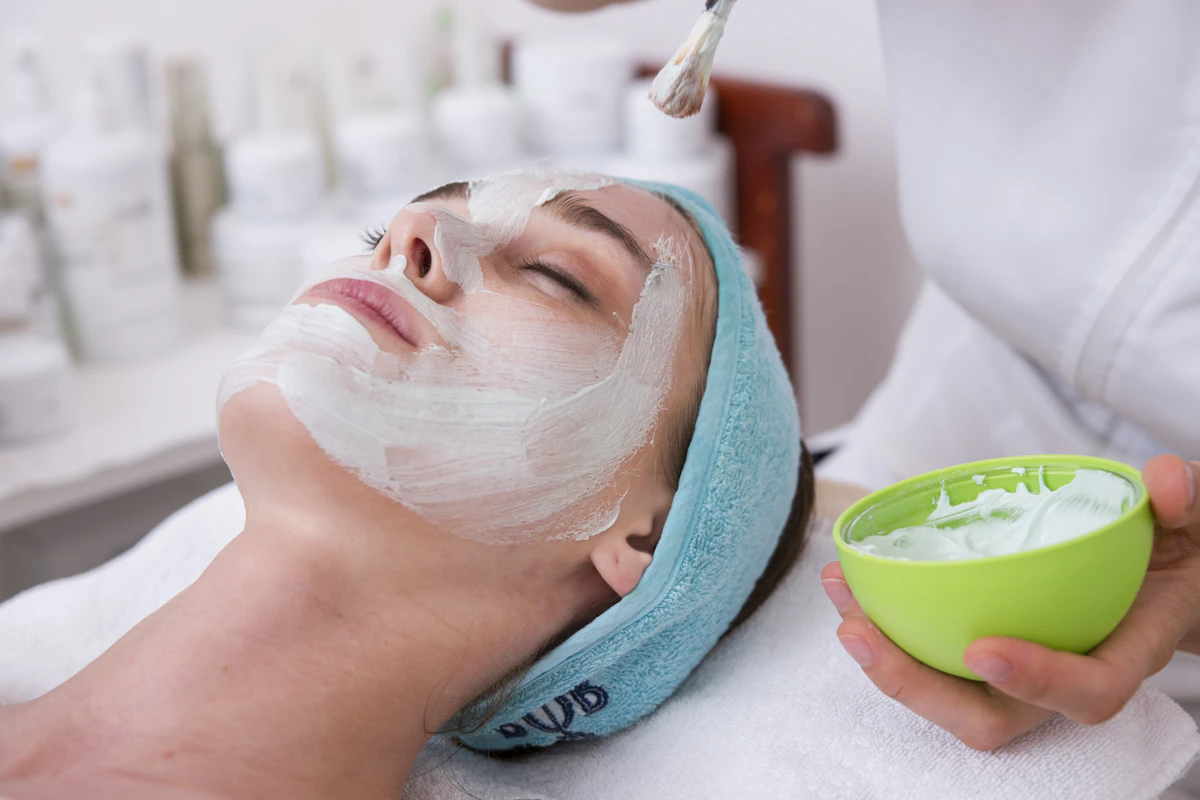
BabyGlow Redensity 1 may be one part of a broader treatment plan. The best treatment depends on whether the main concern is hydration, roughness, pigmentation, scar depth, pore appearance, or acne recurrence.
BabyGlow Redensity 1
BabyGlow Redensity 1 may be considered when the goal is to improve overall skin quality, hydration, glow, and mild surface roughness. It may be suitable for patients whose acne is controlled but who feel their skin looks dull, tired, or uneven.
Possible Benefits
Patients may notice:
- Better skin hydration
- Smoother-looking surface
- Improved radiance
- Fresher skin appearance
- Reduced dullness
- Better makeup application
- Supportive improvement in mild texture
Results vary between individuals and may require multiple sessions.
Limitations
BabyGlow Redensity 1 is not expected to completely remove deep acne scars. It may not significantly lift tethered scars or correct deep pits. Patients with moderate to severe acne scarring may need combination therapy.
Skin Boosters
Skin booster Kuala Lumpur treatments are often chosen by patients who want hydration and skin quality improvement. They may be useful when post-acne skin looks dry, dull, or tired.
However, skin boosters are not a replacement for scar revision procedures when structural scarring is present.
Microneedling
Microneedling uses fine needles to create controlled micro-injuries that stimulate repair. A clinical study available through the National Library of Medicine found that multiple microneedling sessions may support repair processes in post-acne atrophic scars, with minimal recovery time in an office-based setting.
Microneedling may be considered for selected atrophic scars, enlarged pores, and texture concerns. It should be performed by trained professionals using sterile technique.
Fractional Laser
Fractional laser treatments may help improve acne scars and skin texture by stimulating collagen remodelling. Mayo Clinic explains that laser resurfacing uses energy-based devices to improve the look and feel of skin, including uneven skin colour and certain texture concerns.
Laser selection must consider skin type, pigmentation risk, downtime, budget, and scar severity.
Chemical Peels
Chemical peels may improve mild acne marks, uneven tone, dullness, and superficial texture. Mayo Clinic notes that chemical peels may be used for acne scars and uneven skin tone, and repeated procedures may be needed to achieve or maintain results.
In Malaysian skin types, peel strength should be selected carefully to reduce the risk of irritation or post-inflammatory hyperpigmentation.
Subcision
Subcision may be considered for rolling scars that are tethered under the skin. It works by releasing fibrous bands that pull the scar downward. This is usually a doctor-performed procedure and may be combined with other treatments.
Radiofrequency Microneedling
Radiofrequency microneedling combines controlled needling with heat energy. It may be used for acne scars, pores, and texture concerns. Suitability depends on skin type, scar type, pain tolerance, downtime, and doctor assessment.
Topical Skincare
Topical skincare remains important. It may include:
- Gentle cleanser
- Sunscreen
- Moisturiser
- Retinoid where appropriate
- Azelaic acid
- Niacinamide
- Vitamin C
- Pigment-control ingredients
- Acne-control medication if active acne remains
Skincare supports treatment results but cannot usually correct deep scars by itself.
How BabyGlow Redensity 1 Fits Into a Post-Acne Treatment Plan
BabyGlow Redensity 1 may be helpful when used in the right patient and at the right stage.
Before Scar Treatments
Some patients need to calm inflammation, repair the barrier, and improve hydration before stronger resurfacing treatments. In such cases, a skin quality treatment may be considered first.
Between Scar Treatments
Patients undergoing laser, microneedling, or peel treatment may sometimes benefit from hydration-focused support between sessions, depending on the doctor’s plan.
After Acne Is Controlled
BabyGlow Redensity 1 is more suitable when active acne is under control. If breakouts continue, the priority should be acne treatment first.
For Mild Texture and Dullness
Patients with mild roughness, dullness, and dehydrated-looking post-acne skin may be more suitable candidates compared with those who have deep pitted scars.
Benefits of BabyGlow Redensity 1 for Skin Texture After Acne
Improves Skin Hydration
Post-acne skin may feel dry because of acne medication, exfoliating acids, retinoids, or barrier damage. Hydration-focused treatments may improve comfort and radiance.
Supports Smoother-Looking Skin
When skin is well-hydrated, superficial roughness may appear softer and less obvious. This can help makeup sit better and improve light reflection.
Helps With Dull Skin Appearance
Dull skin treatment Kuala Lumpur patients often want brighter, fresher-looking skin without overly aggressive downtime. BabyGlow-style treatments may be part of a gentle rejuvenation plan.
Complements Other Treatments
For patients with both acne scars and dehydration, BabyGlow Redensity 1 may complement other scar treatments, but it should not replace scar-specific procedures when scars are deep.
Personalised Treatment Planning
A doctor-led plan can combine skin boosters, acne control, pigment treatment, laser, microneedling, or peels depending on the patient’s needs.
Limitations and Realistic Expectations
It Will Not Completely Remove Deep Acne Scars
Patients should not expect BabyGlow Redensity 1 to erase deep scars. Depressed scars are structural changes and often need collagen remodelling or scar release treatments.
Results Are Gradual
Skin quality improvement is usually gradual. Hydration or glow may appear earlier, but texture-related improvement can take time and may require multiple sessions.
Maintenance May Be Needed
Skin continues to age and respond to acne, hormones, sun exposure, sleep, and lifestyle. Maintenance treatments and skincare may be needed.
Individual Results Vary
Results depend on:
- Skin type
- Scar depth
- Acne activity
- Age
- Hydration level
- Lifestyle
- Sun exposure
- Treatment technique
- Number of sessions
- Aftercare compliance
It Is Not a Substitute for Acne Control
If acne is still active, new scars and marks may continue to form. Acne control is the foundation of long-term texture improvement.
Safety Considerations
BabyGlow Redensity 1 and similar treatments should be performed in a proper clinical setting by trained medical professionals. Patients should avoid choosing treatments based only on price, social media trends, or before-and-after photos.
Possible Side Effects
Possible temporary side effects may include:
- Redness
- Mild swelling
- Bruising
- Tenderness
- Small injection marks
- Itching
- Temporary unevenness
- Skin sensitivity
Less common but more serious risks may include infection, allergic reaction, pigmentation changes, nodules, or vascular complications depending on technique and product used. Patients should discuss risks clearly before treatment.
Who Should Be Cautious
Treatment may not be suitable or may need postponement for patients with:
- Active acne flare
- Active skin infection
- Open wounds
- Recent sunburn
- Uncontrolled eczema or dermatitis
- Pregnancy or breastfeeding, depending on doctor advice
- Known allergy to treatment components
- Keloid tendency
- Recent strong resurfacing procedure
- Certain medical conditions or medications
Importance of Doctor-Led Treatment
Aesthetic procedures are medical treatments, not just beauty services. A qualified doctor can assess skin, identify risks, explain alternatives, and manage complications if they occur.
This is especially important for patients searching for aesthetic clinic Kuala Lumpur because service quality, medical supervision, and product authenticity can vary between providers.
Recovery and Aftercare
Recovery depends on the treatment method, injection technique, skin sensitivity, and whether BabyGlow Redensity 1 is combined with other procedures.
Immediately After Treatment
Patients may experience redness, mild swelling, tiny bumps, or injection marks. These usually improve with time, but exact downtime varies.
First 24–48 Hours
Patients are commonly advised to avoid:
- Heavy exercise
- Sauna or steam room
- Swimming
- Alcohol
- Harsh exfoliants
- Retinoids or strong acids
- Touching or massaging the treated area unless instructed
- Dirty makeup brushes or heavy makeup immediately after treatment
Sun Protection
Sunscreen is essential after any acne marks treatment KL or texture treatment. UV exposure can worsen pigmentation and slow visible improvement.
Gentle Skincare
Use gentle cleanser, moisturiser, and sunscreen. Avoid scrubbing, peeling products, or layering too many active ingredients too soon.
When to Contact the Clinic
Patients should contact their clinic if they experience severe pain, spreading redness, pus, unusual swelling, fever, skin colour changes, or symptoms that feel abnormal.
Prevention: How to Reduce Future Acne Texture Problems
The best acne texture treatment KL strategy is not only to treat existing texture but also to prevent new scars.
Treat Acne Early
Do not wait until acne becomes severe. Early treatment reduces the risk of scarring.
Avoid Picking Pimples
Picking can worsen inflammation and scarring. If acne is painful, persistent, or cystic, seek medical help.
Use Sunscreen Daily
Sunscreen helps reduce worsening of pigmentation and supports skin recovery. This is especially important in Kuala Lumpur’s sunny climate.
Keep Skincare Simple
A basic routine may include cleanser, moisturiser, sunscreen, and targeted acne treatment. Too many active ingredients can irritate the skin.
Avoid Unverified Products
Avoid products with undisclosed ingredients, especially “instant whitening” or steroid-containing creams. These may damage the skin barrier and worsen long-term skin health.
Maintain Follow-Up
Post-acne treatment often requires stages. Follow-up allows the doctor to adjust the plan based on response.
How to Choose an Aesthetic Clinic in Kuala Lumpur
Patients searching for BabyGlow treatment Kuala Lumpur, acne marks treatment KL, skin booster Kuala Lumpur, or aesthetic clinic Kuala Lumpur should look beyond promotional pricing.
Look for Doctor Assessment
A proper clinic should assess your skin before recommending treatment. The same treatment may not suit every acne scar type.
Ask About Product and Procedure Details
Patients can ask:
- What product will be used?
- Is it suitable for my concern?
- Who will perform the treatment?
- How many sessions may I need?
- What are the risks?
- What downtime should I expect?
- What alternatives do I have?
- What happens if I get side effects?
Review Realistic Before-and-After Results
Before-and-after photos can help, but they should be interpreted carefully. Lighting, angle, makeup, editing, and patient selection can affect appearance.
Avoid Guaranteed Claims
No clinic should guarantee perfect skin, permanent scar removal, or instant results. Medically responsible clinics explain benefits and limitations.
Example Treatment Journey for Post-Acne Texture
Every patient is different, but a structured journey may look like this.
Month 1: Assessment and Acne Control
The doctor checks whether acne is active. If breakouts are ongoing, acne control may begin first with skincare, medication, or suitable procedures.
Month 2: Skin Barrier and Hydration Support
If skin is dry, dull, or irritated, treatments such as BabyGlow Redensity 1 or skin booster-style procedures may be considered after assessment.
Month 3–6: Scar-Specific Treatment
If pitted scars are present, treatment may include microneedling, fractional laser, subcision, chemical peels, or combination therapy.
Maintenance Phase
After improvement, maintenance may include sunscreen, acne prevention, periodic skin booster, gentle resurfacing, or follow-up sessions.
This type of staged plan is more realistic than expecting one treatment to solve every concern.
Frequently Asked Questions
Can BabyGlow Redensity 1 improve skin texture after acne?
BabyGlow Redensity 1 may improve hydration, glow, dullness, and mild roughness after acne. However, deeper acne scars usually need scar-specific treatments such as microneedling, laser, subcision, chemical peels, or combination therapy.
Is BabyGlow Redensity 1 an acne scar treatment?
It is better understood as a skin quality or skin booster-style treatment rather than a dedicated acne scar removal treatment. It may support smoother-looking skin, but it may not significantly correct deep pitted scars.
Is it suitable for rough skin after acne Kuala Lumpur patients?
It may be suitable if the roughness is due to dehydration, mild surface irregularity, or dullness. If roughness is due to deep scars, a different treatment plan may be needed.
How many sessions do I need?
The number of sessions depends on skin condition, goals, age, scar type, and response. Many skin quality treatments require a course of sessions and maintenance.
Can I do BabyGlow Redensity 1 if I still have acne?
If acne is active or inflamed, the doctor may recommend treating acne first. Performing aesthetic procedures during a flare may increase irritation and may not prevent future scars.
Does BabyGlow Redensity 1 help with acne marks?
It may improve overall skin quality, but brown or red acne marks often require targeted pigmentation or redness treatments. Sunscreen, skincare, peels, lasers, or topical medication may be considered depending on assessment.
Is there downtime?
Downtime is usually mild for many skin booster-style procedures, but redness, swelling, bruising, tenderness, and injection marks can occur. Downtime varies by technique and individual skin response.
Is it painful?
Discomfort varies. Some clinics may use numbing cream or comfort measures. Patients should discuss pain tolerance and procedure steps before treatment.
Can I wear makeup after treatment?
Your clinic may advise avoiding makeup for a short period after treatment to reduce irritation or infection risk. Follow the specific aftercare instructions given by your doctor.
Is BabyGlow Redensity 1 safe for Asian skin?
It may be suitable for many Asian skin types when properly assessed and performed. However, pigmentation risk, acne activity, sensitivity, and scarring tendency should be considered before treatment.
Can I combine it with laser or microneedling?
Combination treatment may be recommended for patients with multiple concerns. Timing and sequence should be planned by a doctor to reduce irritation and maximise safety.
How soon can I see results?
Some patients may notice improved hydration or glow earlier, while texture improvement may take longer. Results vary and may require repeated sessions.
Can it permanently fix skin texture?
No treatment can guarantee permanent perfect skin. Results depend on ongoing acne control, ageing, sun exposure, skincare, and maintenance.
What is the best treatment for acne texture?
The best treatment depends on the cause of texture. Mild dehydration may respond to skin boosters, while pitted scars may need microneedling, laser, subcision, peels, or combination treatment.
Where can I get acne texture treatment KL?
Choose a doctor-led aesthetic clinic Kuala Lumpur that provides proper consultation, skin assessment, realistic expectations, safe treatment planning, and follow-up care.
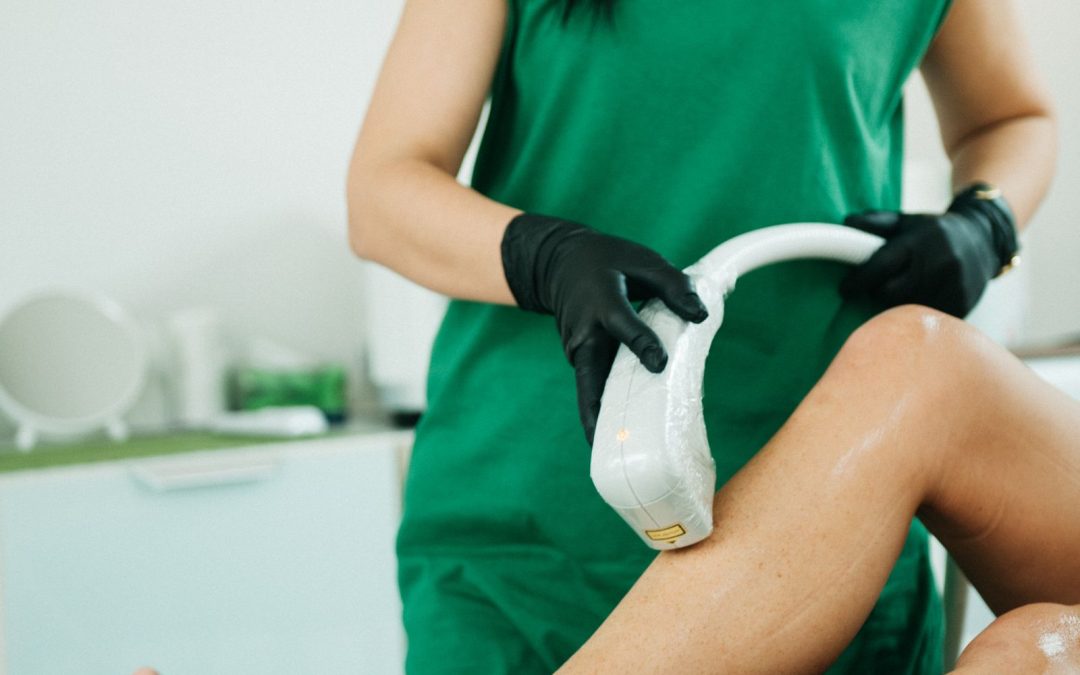
Image credit: Unsplash – facial treatment environment
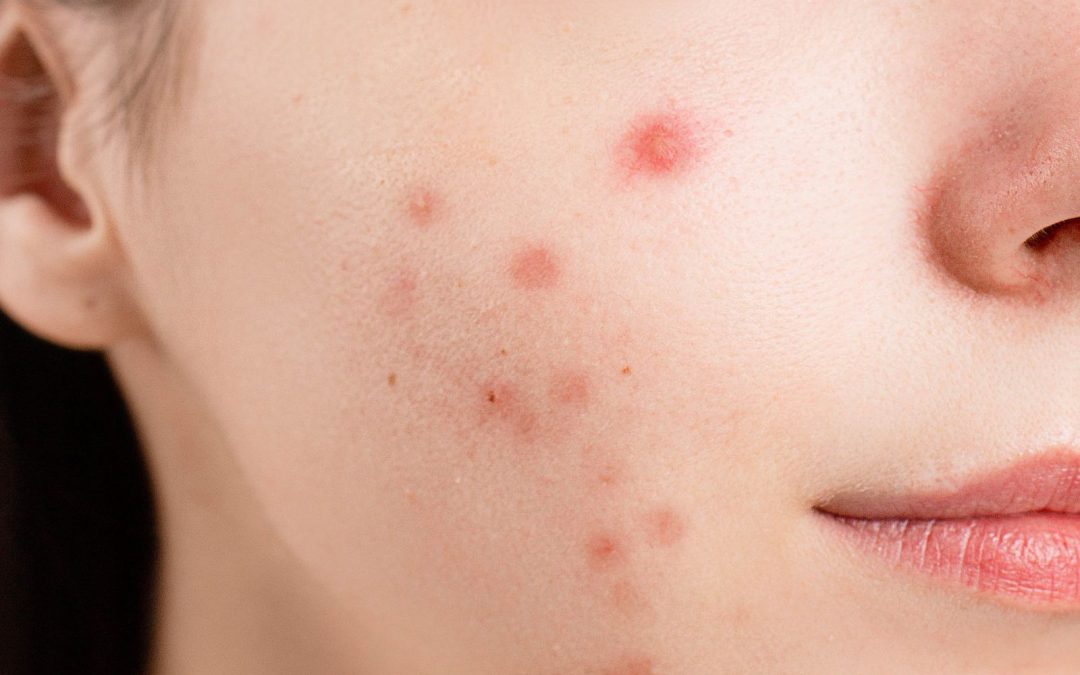
Image credit: Unsplash – medical consultation setting
Conclusion
BabyGlow Redensity 1 may be a helpful option for selected patients who want to improve post-acne skin quality, hydration, dullness, and mild uneven texture. For patients searching for BabyGlow Redensity 1 for skin texture after acne, the most important point is to understand what the treatment can and cannot do.
If your main concern is dull, dry, tired-looking post-acne skin, BabyGlow Redensity 1 or a skin booster-style treatment may support a fresher and smoother-looking appearance. However, if you have deeper pitted acne scars, rolling scars, boxcar scars, ice-pick scars, pigmentation, or active acne, you may need a more structured plan that includes acne control, pigmentation management, resurfacing, collagen stimulation, subcision, or combination treatment.
The safest and most realistic approach is to start with a proper doctor-led consultation. At Millennium Clinic Kuala Lumpur, patients can receive personalised skin assessment and treatment planning for concerns such as rough skin after acne, acne marks, dullness, pigmentation, and acne scars. A doctor-led plan helps identify whether BabyGlow Redensity 1, skin booster, laser, microneedling, chemical peel, or another treatment is more suitable for your skin condition and goals.
References
- MedlinePlus – Acne: https://medlineplus.gov/acne.html
- MedlinePlus – Acne self-care: https://medlineplus.gov/ency/patientinstructions/000750.htm
- American Academy of Dermatology – Acne scars overview: https://www.aad.org/public/diseases/acne/derm-treat/scars
- American Academy of Dermatology – Acne scars consultation and treatment: https://www.aad.org/public/diseases/acne/derm-treat/scars/treatment
- National Library of Medicine – Acne scarring pathogenesis, evaluation, and treatment: https://pmc.ncbi.nlm.nih.gov/articles/PMC5749614/
- National Library of Medicine – Microneedling therapy for atrophic acne scars: https://pmc.ncbi.nlm.nih.gov/articles/PMC4509584/
- Mayo Clinic – Laser resurfacing: https://www.mayoclinic.org/tests-procedures/laser-resurfacing/about/pac-20385114
- Mayo Clinic – Chemical peel: https://www.mayoclinic.org/tests-procedures/chemical-peel/about/pac-20393473
- PubMed – Guidelines of care for the management of acne vulgaris: https://pubmed.ncbi.nlm.nih.gov/38300170/


0 Comments