
Introduction
Hair loss can be distressing, whether it appears as gradual thinning, a widening part, a receding hairline, excessive shedding in the shower, or isolated bald patches. For people exploring treatment in Kuala Lumpur, injectable scalp procedures are increasingly marketed alongside established options such as minoxidil, prescription medicines, platelet-rich plasma and hair transplantation.
One emerging search term is skin boosters for hair loss. Conventional skin boosters are injectable products intended primarily to improve skin hydration or quality. Depending on the formulation, they may contain hyaluronic acid, polynucleotides, amino acids, peptides, vitamins or other compounds. When adapted for the scalp, small amounts may be placed into or just beneath the scalp skin—a technique sometimes described as scalp mesotherapy.
Can this approach restore thinning hair? The medically responsible answer is: possibly for selected patients as an adjunctive treatment, but the evidence is limited and results depend heavily on the underlying cause of hair loss. A skin booster cannot correct every cause of shedding, reactivate follicles destroyed by scarring, or replace necessary treatment for thyroid disease, iron deficiency, autoimmune alopecia or advanced hereditary baldness.
Anyone considering a skin booster for scalp concerns should therefore begin with a medical consultation and diagnosis rather than choosing an injection based solely on advertising.
| Key Point | Summary |
|---|---|
| Can skin boosters help hair loss? | They may support scalp condition or provide an adjunctive benefit in selected cases, but they are not a proven cure for all types of hair loss. |
| Do skin boosters regrow hair? | Regrowth is not guaranteed. Evidence for many scalp booster formulations remains limited, and response depends on whether viable follicles are still present. |
| Who may be suitable? | Potential candidates include selected adults with early, non-scarring thinning and a medically assessed scalp. |
| Who should avoid treatment? | It may be unsuitable during pregnancy, with active scalp infection, certain allergies, bleeding problems, uncontrolled illness or scarring alopecia requiring specialist care. |
| How many sessions are needed? | Protocols vary because there is no universally standardised skin-booster regimen for hair loss. A doctor should individualise the schedule. |
| Is the procedure painful? | Patients may feel pinching, pressure or stinging. Topical anaesthetic may be used where appropriate. |
| When might results appear? | Hair changes, if they occur, usually require months rather than days because hair grows in cycles. |
| Is it better than minoxidil or PRP? | There is insufficient evidence to say that general skin boosters are superior to established medical treatments or PRP. |
| What is the most important first step? | Identify the cause of hair loss through history-taking, scalp assessment and, when indicated, blood tests or other investigations. |
| Where can patients seek assessment? | A doctor-led provider in Kuala Lumpur can assess the scalp and develop a personalised plan based on diagnosis, health history and treatment goals. |
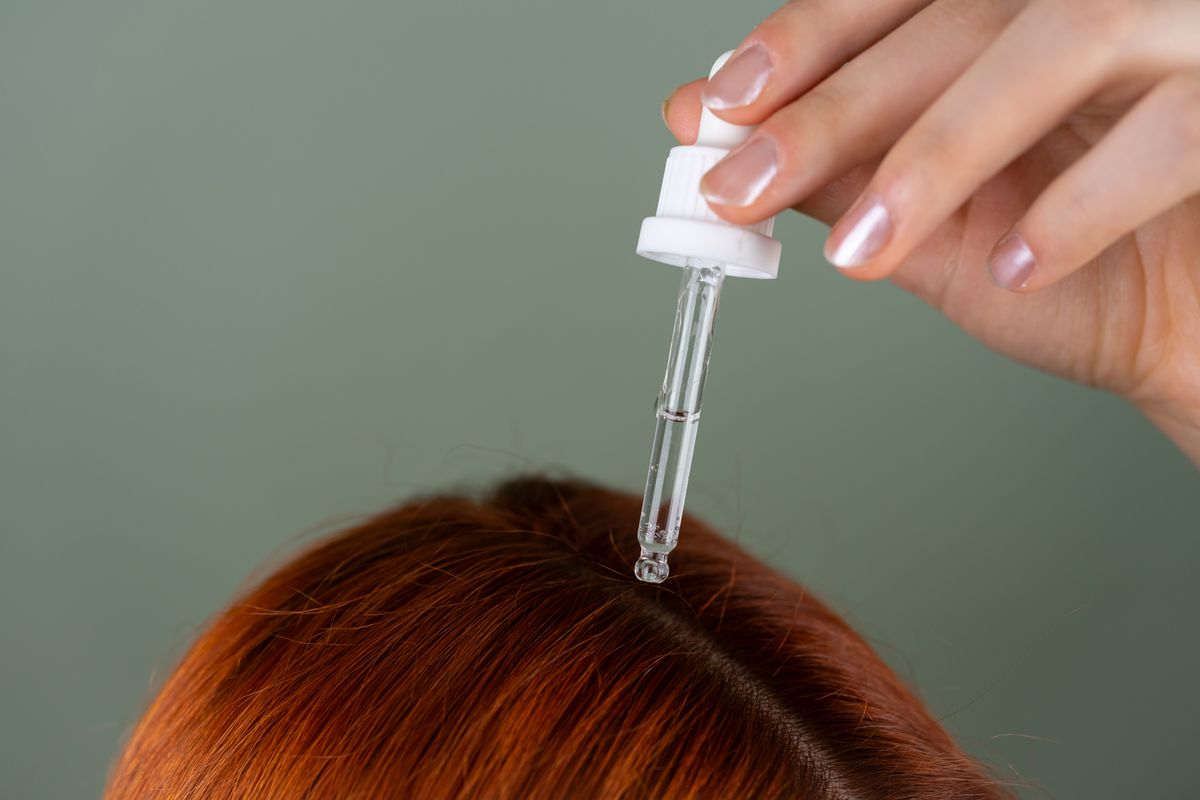
Image credit: The Full On Monet via Pexels.
Understanding Hair Loss
Hair loss, medically called alopecia, is not one single condition. It is a visible sign that can arise from genetic, hormonal, inflammatory, autoimmune, nutritional, infectious, traumatic or medication-related factors.
Hair follicles normally cycle through three broad stages:
- Anagen: the active growth phase;
- Catagen: a short transition phase; and
- Telogen: a resting phase followed by shedding.
It is normal to shed some hair each day. The NHS explains that people commonly lose around 50 to 100 hairs daily without noticing. Concern becomes more appropriate when shedding increases substantially, density progressively decreases, bald areas develop, or the scalp becomes painful, inflamed, scaly or scarred.
Pattern hair loss
Androgenetic alopecia—commonly called male-pattern or female-pattern hair loss—is a frequent cause of progressive thinning. Genetically susceptible follicles gradually become smaller and produce finer, shorter hairs.
Men may notice temple recession, a thinning crown or both. Women more often develop reduced density over the top of the scalp or a widening central part, although presentations vary.
Telogen effluvium
Telogen effluvium is diffuse shedding that can follow a physical or emotional stressor. Potential triggers include fever, infection, surgery, childbirth, major psychological stress, rapid weight loss and nutritional deficiency. Shedding often begins weeks or months after the trigger, which can make the connection difficult to recognise.
Alopecia areata
Alopecia areata is an autoimmune condition that commonly produces smooth, round or oval bald patches. It can sometimes affect larger areas of the scalp or other body hair. This condition requires proper medical diagnosis and should not be treated as an ordinary cosmetic thinning problem.
Scarring alopecia
Scarring alopecias involve inflammation that can permanently damage hair follicles. Warning signs may include burning, pain, pustules, scaling, redness, loss of follicular openings or smooth shiny areas. Early specialist assessment is important because treatment usually focuses on controlling inflammation and preserving remaining follicles.
Common Causes and Risk Factors
The effectiveness of any hair loss treatment in Kuala Lumpur depends on identifying what is driving the problem. Common contributors include the following.
Genetics and ageing
A family history of pattern hair loss increases risk. Ageing also affects follicle activity and hair-shaft diameter, although significant loss should not automatically be dismissed as “just age.”
Hormonal and medical conditions
Thyroid disorders, polycystic ovary syndrome, autoimmune disease and other health conditions can contribute to shedding or altered hair growth. The MedlinePlus hair-loss guidance notes that thyroid problems, diabetes, lupus, medicines and cancer treatment can be associated with hair loss.
Nutritional deficiency or restrictive dieting
Insufficient iron, protein or overall energy intake may contribute to shedding in susceptible individuals. Zinc, vitamin D or other deficiencies may occasionally be relevant, but supplements should be guided by clinical assessment. Taking high-dose “hair vitamins” without evidence of deficiency may be ineffective and, in some cases, harmful.
Illness, stress and weight change
A high fever, severe infection, surgery, major emotional strain or rapid weight reduction may disrupt the normal hair cycle. Postpartum shedding is another common form of temporary telogen effluvium.
Medication and medical treatment
Some medicines can contribute to hair loss. Chemotherapy is well known for doing so, but other medications may also be relevant. Patients should not stop prescribed medicine independently; a doctor can assess the likelihood of a drug-related effect and communicate with the original prescriber.
Hairstyling and chemical damage
Repeated tension from tight ponytails, braids, extensions or certain head coverings may cause traction alopecia. Bleaching, excessive heat and harsh chemical processing more often damage the hair shaft, creating breakage that can look like follicular hair loss.
Scalp disease
Fungal infection, psoriasis, seborrhoeic dermatitis and other inflammatory scalp conditions can affect comfort, hair quality or shedding. Treating the underlying scalp disorder is generally more appropriate than injecting a cosmetic booster into inflamed skin.
How Skin Boosters May Be Used for Scalp and Hair Concerns
“Skin booster” is a broad commercial term rather than a single standardised hair-loss treatment. Facial skin boosters are commonly designed to improve hydration, elasticity or skin texture. Scalp formulations may differ substantially between providers.
Possible ingredients include:
- Non-cross-linked hyaluronic acid;
- Polynucleotides or PDRN-type products;
- Amino acids;
- Peptides;
- Vitamins or minerals;
- Antioxidants; and
- Other bioactive or medication-containing formulations.
These products should not be treated as interchangeable. Ingredient concentration, sterility, regulatory status, injection depth, session frequency and clinical evidence may all differ.
How scalp injections are intended to work
A scalp injection for hair loss may be proposed to deliver a formulation close to the skin and follicular environment. Suggested aims include improving scalp hydration, supporting tissue quality or locally delivering selected compounds.
However, a plausible biological theory is not the same as proven clinical effectiveness. Hyaluronic acid may help hydrate skin, for example, but hydration alone does not reverse the hormonal miniaturisation responsible for pattern hair loss.
Scalp mesotherapy studies have examined many different agents, including vitamins, peptides and medicines. A recent PubMed-indexed systematic review of injectable therapy for androgenetic alopecia found that reported outcomes included improvements in density, shaft diameter or shedding in some studies. Nevertheless, protocols were highly variable, studies were often small, follow-up was short, and adverse events such as dermatitis, scarring and paradoxical hair loss were reported. The authors concluded that standardised randomised trials are needed before injectable therapy can be recommended routinely.
This is why a general skin booster should be viewed as a possible adjunct—not an automatic substitute for evidence-based medical care.
Skin boosters are not the same as PRP
Platelet-rich plasma, or PRP, is produced from a patient’s own blood and contains a concentrated platelet fraction. It is not a conventional skin booster.
Both treatments involve scalp injections, but their contents, preparation, proposed mechanisms and evidence bases differ. Patients comparing a skin booster with PRP should ask exactly what is being injected and what evidence supports that particular product.
Suitability
A doctor should determine suitability after assessing the pattern, duration and severity of hair loss.
Who might be considered?
Depending on the formulation and diagnosis, possible candidates may include adults who:
- Have early or mild non-scarring hair thinning;
- Still have viable follicles in the affected area;
- Want a non-surgical hair loss treatment;
- Understand that improvement is uncertain;
- Are willing to follow a longer-term medical plan; and
- Have no active infection or major procedural contraindication.
Patients with pattern hair loss are more likely to need established therapies aimed at slowing follicle miniaturisation. A booster, if used, may form only one part of that plan.
Who may not be suitable?
Treatment may need to be avoided or postponed in people with:
- Pregnancy or breastfeeding, depending on the ingredients;
- Active folliculitis, fungal infection or open wounds;
- Severe dermatitis, psoriasis flare or inflamed scalp;
- Known allergy to a component;
- Bleeding disorders or relevant blood-thinning medication;
- A tendency to form problematic scars;
- Uncontrolled medical conditions;
- Unexplained sudden or patchy hair loss; or
- Suspected scarring alopecia.
People with advanced bald areas where follicles are no longer functional are unlikely to obtain meaningful regrowth from a skin booster.
Treatment Process
Consultation and scalp assessment
A responsible consultation begins with questions about when the problem started, whether loss is gradual or sudden, family history, recent illness, childbirth, stress, weight change, diet, medication and hair-care habits.
The doctor may examine:
- Overall density and distribution;
- Hairline and part width;
- Hair-shaft variation;
- Scalp redness, scaling or pustules;
- Signs of breakage or traction; and
- Whether follicular openings remain visible.
Dermoscopic or magnified scalp assessment may be helpful. Photographs under consistent lighting can provide a baseline. If a deficiency, hormonal issue, infection or autoimmune condition is suspected, blood tests, fungal testing, referral or scalp biopsy may be appropriate. The American Academy of Dermatology’s diagnostic guidance notes that blood testing or scalp biopsy may be required when a disease, nutrient deficiency, hormonal imbalance or infection is suspected.
Preparation
Before treatment, the clinic should disclose:
- The exact product and active ingredients;
- Whether its proposed scalp use is approved or off-label;
- The evidence relevant to the patient’s diagnosis;
- Potential side effects and alternatives;
- Expected number and cost of sessions; and
- Who will prescribe and administer the treatment.
The scalp is cleaned, and topical anaesthetic may be applied if suitable.
Injection procedure
Small injections are placed across selected areas of the scalp. Patients may experience brief stinging, pressure or tenderness. Appointment duration varies according to the treatment area, anaesthesia and protocol.
There is no universally accepted schedule for general skin boosters for hair loss. Be cautious if a provider presents one fixed package as suitable for every patient without first establishing a diagnosis.
Potential Benefits
Possible benefits in appropriately selected patients may include:
- Improved scalp hydration or skin quality;
- A subjective reduction in dryness or tightness;
- Better cosmetic appearance of the scalp environment;
- Possible improvement in shedding, hair calibre or density with certain studied injectable formulations; and
- Compatibility with a broader non-surgical treatment plan.
These are potential outcomes, not promises. Improvement reported for one mesotherapy ingredient cannot automatically be attributed to all skin boosters.
Patients searching for hair thinning treatment in KL should ask whether the proposed benefit is supported by objective measurements such as standardised photographs, hair counts or shaft-diameter assessment—not only testimonials.
Limitations
The major limitation is the evidence gap. “Skin booster” covers many formulations, and there is no single body of research that proves all such products regrow hair.
Other limitations include:
- Lack of standardised ingredients and dosing;
- Small or short-term studies;
- Limited comparison with established treatments;
- Difficulty separating injection effects from combination therapy;
- Need for repeated sessions;
- Cost and maintenance requirements;
- Variable response between patients; and
- Risk of delaying treatment for the real cause.
A booster cannot replace iron when iron deficiency is driving shedding. It cannot control an untreated autoimmune attack, eliminate a fungal infection, correct uncontrolled thyroid disease or reconstruct a destroyed follicle.
Realistic Expectations
Hair treatment is slow because follicles operate in cycles. If a treatment helps, reduced shedding may be noticed before visible density changes. Meaningful assessment commonly requires several months and consistent photographs.
Realistic goals may include:
- Slowing further deterioration;
- Reducing excessive shedding;
- Preserving existing hair;
- Improving the calibre of miniaturised hairs; or
- Producing a modest cosmetic improvement.
Complete restoration of a youthful hairline is generally not a realistic expectation from injections alone. Maintenance may also be needed, particularly for genetic pattern hair loss, which is progressive.
Patients should agree with their doctor on measurable review points. If there is no objective improvement after a reasonable trial, the diagnosis, adherence and treatment plan should be reconsidered rather than continuing indefinitely.
Alternative Treatments
The best alternative depends on the diagnosis.
Topical minoxidil
Topical minoxidil is an established option for some forms of pattern hair loss. It requires regular use and can cause scalp irritation or an early increase in shedding. Benefits generally diminish after it is discontinued.
Prescription medicines
Finasteride may be considered for suitable men with male-pattern hair loss. Other oral or topical medicines may be used selectively, sometimes off-label. Pregnancy considerations, blood pressure, sexual side effects, menstrual or hormonal factors, medication interactions and general health must be reviewed individually.
The Mayo Clinic overview of hair-loss diagnosis and treatment discusses minoxidil and finasteride among available treatments while emphasising medical history and physical assessment before diagnosis.
Treatment of underlying disease or deficiency
Iron replacement, thyroid management, antifungal treatment or anti-inflammatory therapy may be more appropriate when a specific medical cause is found. Supplements should correct demonstrated needs rather than replace diagnostic evaluation.
Platelet-rich plasma
PRP is another injectable option sometimes used for androgenetic alopecia. Study protocols and outcomes vary, and maintenance may be required. It should be performed using appropriate infection-control and blood-handling procedures.
Low-level light or laser therapy
Some devices are used for hereditary pattern hair loss. Device quality, consistency and suitability vary, so patients should seek medical guidance rather than relying on marketing claims.
Microneedling
Microneedling has been studied alone and in combination with selected topical treatments. It creates controlled micro-injuries and is not equivalent to injecting a skin booster. Incorrect depth, poor hygiene or use on inflamed skin can lead to complications.
Hair transplantation
Transplantation moves follicles from a donor area to areas of loss. It may be suitable for selected patients with adequate donor hair and stable disease. It does not stop ongoing thinning of non-transplanted hair, so medical maintenance may still be recommended.
Cosmetic support
Hair fibres, scalp concealers, wigs, hairpieces and styling changes can provide immediate visual improvement. Psychological support may also be valuable because hair loss can affect confidence, relationships and emotional wellbeing.
Safety Considerations
A scalp procedure should be performed in a properly equipped clinical environment by a qualified professional working within the appropriate scope of practice.
Potential side effects include:
- Pain, tenderness or stinging;
- Pinpoint bleeding;
- Redness and swelling;
- Itching or bruising;
- Headache or scalp tightness;
- Temporary bumps at injection sites;
- Infection;
- Allergic or inflammatory reactions;
- Pigment changes;
- Folliculitis; and
- Rare scarring, tissue injury or worsening hair loss.
Safety also depends on what is injected. Patients should avoid undisclosed “cocktails,” non-sterile mixtures and products without traceable labels or expiry information. Vitamins and medicines can cause adverse effects when injected, even if they sound familiar or “natural.”
Seek prompt medical care for increasing pain, spreading redness, pus, fever, facial swelling, breathing difficulty, blistering, darkening skin or rapidly worsening hair loss.
Sudden hair loss can occasionally indicate an underlying medical condition. The Mayo Clinic’s symptoms and causes guidance advises that sudden loss may warrant medical evaluation.
Recovery and Aftercare
Most patients can return to ordinary non-strenuous activities shortly after treatment, but temporary redness, tenderness or small raised areas may occur.
Follow the treating doctor’s product-specific instructions. General aftercare may include:
- Avoid scratching, rubbing or massaging the scalp unless instructed;
- Keep the treated area clean;
- Wait for the advised period before washing the hair;
- Avoid strenuous exercise, saunas and excessive heat for the recommended time;
- Avoid swimming until the injection sites have closed;
- Do not apply harsh dyes, bleaches or irritating products immediately;
- Use only recommended medication for discomfort; and
- Contact the clinic if symptoms worsen rather than improve.
Do not apply minoxidil, medicated shampoo or other active scalp products immediately after injections unless the doctor confirms when they can be restarted.
Image credit: Jessica Keli Alves via Pexels.
Prevention
Not all hair loss can be prevented, particularly hereditary pattern thinning. However, several measures can reduce avoidable damage and support scalp health.
Use gentle hair-care practices
Avoid repeatedly pulling the hair into tight styles. Reduce excessive heat, bleaching and harsh chemical processing, especially if breakage is already present. Detangle gently and choose products appropriate for the scalp condition.
Eat a balanced diet
Adequate protein, iron and overall energy intake support normal hair production. Avoid crash diets and unverified mega-dose supplements.
Manage scalp disease early
Persistent itching, scaling, pain, redness or pustules should be medically assessed. Treating inflammation or infection early may help prevent further damage.
Review new shedding promptly
Keep track of recent illness, medication changes, childbirth, weight loss and stress. Earlier diagnosis may preserve more hair in progressive or inflammatory conditions.
Protect the scalp from sunlight
When hair density decreases, more ultraviolet radiation reaches the scalp. A hat, umbrella or suitable scalp sunscreen may help reduce sun exposure in Malaysia’s year-round tropical climate.
Frequently Asked Questions
Can skin boosters stop genetic hair loss?
They are not considered a definitive treatment for the hormonal and genetic processes behind androgenetic alopecia. A booster may be discussed as an adjunct, but suitable patients commonly require established treatment aimed at slowing progressive follicle miniaturisation.
Is a skin booster for scalp the same as facial skin booster treatment?
The injection concept may be similar, but scalp and facial goals are different. Products, depths and protocols may also differ. A product intended to hydrate facial skin should not be assumed to regrow scalp hair.
Are polynucleotide scalp injections proven to grow hair?
Early or indirect research may suggest biological possibilities, but robust evidence for many commercial polynucleotide scalp products remains limited. Patients should ask for evidence on the exact product rather than relying on general claims about “regeneration.”
Is scalp mesotherapy better than minoxidil?
Current evidence does not establish general mesotherapy or skin boosters as universally superior to topical minoxidil. Treatment selection should be based on diagnosis, contraindications, tolerance and patient preferences.
How many scalp-injection sessions will I need?
There is no universal answer because formulations and protocols vary. The clinic should explain the proposed course, review interval, maintenance plan and criteria for stopping if treatment is not helping.
Can I combine skin boosters with other treatments?
Sometimes, but combination therapy should be planned medically. The doctor must consider irritation, wound healing, medication absorption, side effects and whether multiple treatments make it difficult to determine what is working.
Will a scalp injection for hair loss hurt?
Most patients describe brief pinching or stinging. Discomfort varies with injection depth, number of injections and individual sensitivity. Anaesthetic options can be discussed before treatment.
Can skin boosters treat completely bald areas?
They are unlikely to restore areas where follicles have been permanently destroyed or are no longer viable. A scalp assessment can help distinguish miniaturised hairs from established bald or scarred areas.
Is there downtime?
Downtime is usually limited, but redness, tenderness, mild swelling, bruising or pinpoint marks may be visible temporarily. Infection or significant inflammatory reactions are not normal expected downtime and require medical attention.
What should I look for in a hair fall treatment provider in Kuala Lumpur?
Look for a doctor-led consultation, proper diagnostic assessment, transparent product information, sterile technique, realistic claims, baseline documentation and clear follow-up. Be cautious about guaranteed regrowth, one-size-fits-all packages or pressure to pay before a medical assessment.
When should I see a doctor urgently?
Arrange prompt assessment for sudden shedding, rapidly expanding patches, pain, burning, pus, severe scaling, shiny scar-like areas, loss of eyebrows or eyelashes, or hair loss accompanied by unexplained fatigue, weight change or other systemic symptoms.
Conclusion
Skin boosters may have a role in selected scalp and hair-care plans, particularly when the aim is to support scalp condition or explore an adjunctive injectable approach. However, skin boosters for hair loss are not a universal cure, and evidence for many formulations remains limited. Outcomes depend on the specific product, treatment technique, presence of viable follicles and—most importantly—the underlying diagnosis.
Patients considering a non-surgical hair loss treatment, hair fall treatment in Kuala Lumpur or hair thinning treatment in KL should begin with a doctor-led assessment. This helps distinguish hereditary thinning from temporary shedding, nutritional deficiency, scalp disease, autoimmune alopecia and scarring conditions that require different care.
Millennium Clinic Kuala Lumpur offers doctor-led consultation, scalp assessment and personalised hair-loss treatment planning. Following an evaluation, the doctor can explain whether a scalp skin booster is appropriate, whether another treatment is more suitable, or whether investigations or specialist referral should come first. The objective should always be safe, evidence-conscious care with realistic expectations—not guaranteed regrowth.
Image credit: National Cancer Institute via Unsplash.
This article provides general health information and does not replace an individual medical consultation.
References
- NHS. “Hair loss.”
https://www.nhs.uk/conditions/hair-loss/ - MedlinePlus, US National Library of Medicine. “Hair Loss.”
https://medlineplus.gov/hairloss.html - American Academy of Dermatology. “Hair loss: Diagnosis and treatment.”
https://www.aad.org/public/diseases/hair-loss/treatment/diagnosis-treat - Beer J, et al. “Injectable Therapy for Androgenetic Alopecia: A Systematic Review.” PubMed.
https://pubmed.ncbi.nlm.nih.gov/41603616/ - Mayo Clinic. “Hair loss—Diagnosis and treatment.”
https://www.mayoclinic.org/diseases-conditions/hair-loss/diagnosis-treatment/drc-20372932 - Mayo Clinic. “Hair loss—Symptoms and causes.”
https://www.mayoclinic.org/diseases-conditions/hair-loss/symptoms-causes/syc-20372926