
Pigmentation After Acne: Why Dark Marks Happen and What Can Help Fade Them
Introduction
Pigmentation after acne is one of the most common skin concerns among Malaysian patients, especially for those living in sunny, humid cities such as Kuala Lumpur. Many people feel relieved when an acne breakout finally calms down, only to notice that brown, greyish-brown, reddish-brown, or dark spots remain on the skin for weeks or months afterwards. These marks are often described by patients as “acne pigmentation”, “dark acne marks”, “post-acne marks”, or “post-inflammatory hyperpigmentation”.
The important thing to understand is that pigmentation after acne is not the same as active acne, and it is also not always the same as acne scarring. Active acne refers to inflamed pimples, clogged pores, whiteheads, blackheads, cysts, or nodules. Acne scars usually involve a change in skin texture, such as indentations, pits, uneven surface, or raised scar tissue. Pigmentation after acne, on the other hand, usually appears as flat discolouration left behind after the inflammation has settled.
This matters because the treatment approach is different. A person searching for acne pigmentation treatment Kuala Lumpur may not need the same plan as someone searching for acne scar treatment KL. If the main problem is flat dark marks, the plan often focuses on reducing excess pigment, controlling acne triggers, protecting the skin from ultraviolet exposure, and improving skin barrier health. If the concern includes both pigmentation and depressed scars, a doctor may need to combine pigment-focused treatments with resurfacing or collagen-stimulating procedures.
For many patients, pigmentation after acne improves gradually, but the process can be slow. Sun exposure, picking pimples, untreated acne, irritation from harsh skincare, and inconsistent sunscreen use can make dark marks last longer. In Malaysia, where daily ultraviolet exposure is high, sun protection is not optional—it is part of the treatment plan.
This article explains why pigmentation after acne happens, how it differs from true scars, what can help fade dark acne marks, and what patients should realistically expect from topical skincare, chemical peels, laser treatments, and doctor-led aesthetic care in Kuala Lumpur.
Key Takeaways
| Key Point | Summary |
|---|---|
| What is pigmentation after acne? | Pigmentation after acne is usually post-inflammatory hyperpigmentation, where flat dark marks appear after pimples heal. |
| Is it the same as acne scars? | No. Pigmentation is mainly colour change, while acne scars usually involve texture changes such as pits, dents, or raised areas. |
| Why do dark acne marks happen? | Acne inflammation can trigger extra melanin production, especially in medium to darker skin tones. Picking pimples and sun exposure can worsen it. |
| Can pigmentation after acne fade naturally? | Yes, many marks fade over time, but it can take months. Deeper or repeated pigmentation may last longer without proper care. |
| What treatments can help? | Sunscreen, acne control, retinoids, azelaic acid, vitamin C, chemical peels, pigment lasers, and skin-brightening treatment plans may help when selected appropriately. |
| Is laser pigmentation treatment suitable for everyone? | Not always. Skin type, depth of pigment, acne activity, sensitivity, and risk of post-treatment pigmentation must be assessed first. |
| Why is sunscreen important? | UV exposure can darken pigmentation and slow fading, so daily broad-spectrum sunscreen is a key part of treatment. |
| When should I see an aesthetic doctor? | Consider a consultation if marks persist, acne is still active, pigmentation is worsening, or you are unsure whether the concern is pigmentation, melasma, or scarring. |
| What is realistic progress? | Mild marks may improve in several weeks to months, while stubborn post-inflammatory hyperpigmentation may need a longer combination plan. |
| Where can I seek acne marks treatment KL? | A doctor-led aesthetic clinic Kuala Lumpur can assess your skin and recommend a personalised treatment plan based on your acne activity, pigmentation type, and skin sensitivity. |
Understanding Pigmentation After Acne
What Pigmentation After Acne Means
Pigmentation after acne usually refers to post-inflammatory hyperpigmentation, often shortened as PIH. This happens when the skin produces extra melanin after inflammation or injury. Melanin is the pigment responsible for skin colour. When acne causes inflammation in the skin, pigment-producing cells may become overactive and leave behind a darker patch after the pimple heals.
A review available through the National Institutes of Health’s PubMed Central explains that epidermal post-inflammatory hyperpigmentation may last around 6 to 12 months, while deeper dermal pigmentation can persist for years. This is why some acne marks fade quickly, while others remain stubborn even after active acne improves.
In Malaysia, post-inflammatory hyperpigmentation is common because many Malaysians have medium to darker skin tones, which naturally contain more active melanin response. This does not mean the skin is unhealthy. It simply means the skin may produce more pigment after inflammation, friction, acne, insect bites, eczema, burns, or cosmetic irritation.
Why It Looks Different on Different People
Pigmentation after acne can look different depending on your natural skin tone, depth of pigment, inflammation severity, and how long the mark has been present. On fairer skin, acne marks may appear pink, red, or light brown. On medium to darker skin, they may appear brown, grey-brown, dark brown, or almost black.
The mark may also change over time. A fresh pimple may first leave redness, then slowly turn brown. Some people have a combination of post-inflammatory erythema, which is redness from blood vessel changes, and post-inflammatory hyperpigmentation, which is brown pigment. This is one reason why a proper skin assessment is important before choosing treatment.
Pigmentation vs Acne Scars
Many patients use the phrase “acne scars” to describe any mark left after acne. However, medically, acne scars usually involve a change in skin structure. For example, atrophic scars look like small dents, ice-pick scars look like narrow pits, rolling scars create uneven waves, and hypertrophic scars are raised.
Pigmentation after acne is usually flat. If you run your finger across the area and the surface feels smooth but the colour is darker, it is more likely pigmentation. If the surface feels uneven, indented, or raised, then acne scarring may also be present.
This distinction matters because pigmentation treatment Kuala Lumpur usually focuses on pigment control, brightening, exfoliation, laser pigment targeting, and sun protection. Acne scar treatment KL may involve different technologies such as fractional resurfacing, microneedling radiofrequency, subcision, injectables, or collagen-stimulating procedures.
Symptoms and Skin Concerns
Common Signs of Acne Pigmentation
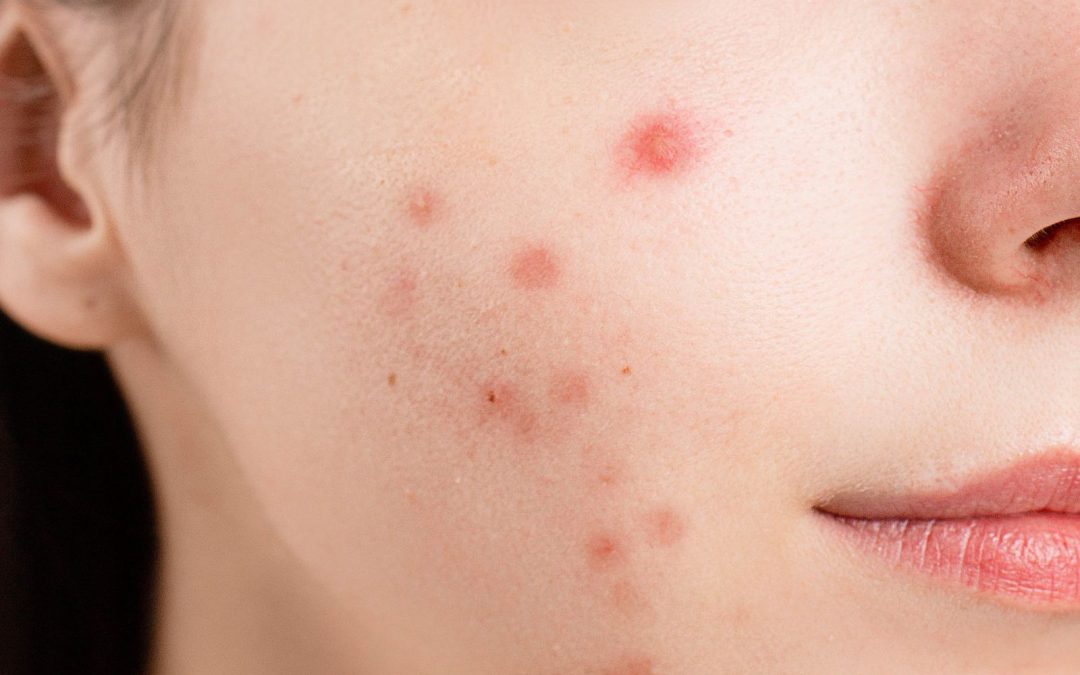
Pigmentation after acne may appear as flat brown, dark brown, greyish, reddish-brown, or black marks on areas where acne previously occurred. It is commonly seen on the cheeks, jawline, forehead, chin, temples, chest, shoulders, or back.
Some marks are small and round, following the shape of a previous pimple. Others may be larger patches if the acne lesion was inflamed, cystic, irritated, scratched, or picked. Patients may notice that the marks become more obvious after sun exposure, outdoor activities, or when they stop using sunscreen consistently.
When Dark Acne Marks Become a Bigger Concern
Dark acne marks KL patients often complain that the pigmentation affects confidence, especially when it remains visible under makeup or appears in photos. While pigmentation after acne is not dangerous in itself, it can be frustrating because improvement is gradual and repeated breakouts create new marks before old ones fade.
You should consider professional assessment if the pigmentation is spreading, changing quickly, associated with ongoing painful acne, mixed with scars, or not improving despite consistent skincare. A doctor should also assess pigmentation that does not clearly follow acne lesions, as other conditions such as melasma, lentigines, dermatitis-related pigmentation, or medication-related pigmentation may need different management.
Causes of Pigmentation After Acne
Inflammation Triggers Melanin Production
The main cause of pigmentation after acne is inflammation. When a pimple becomes red, swollen, painful, or irritated, the skin responds by sending inflammatory signals to repair the area. In some people, this process stimulates melanocytes, the pigment-producing cells, to produce more melanin.
According to Mayo Clinic, acne occurs when hair follicles become plugged with oil and dead skin cells, and it can appear as whiteheads, blackheads, pimples, or deeper painful lumps. The more inflamed the acne lesion is, the higher the chance that a visible mark may be left behind.
Picking, Squeezing, and Scrubbing
Picking or squeezing pimples can worsen inflammation and damage the skin barrier. Even when a pimple looks small, repeated pressure, scratching, or aggressive extraction can prolong healing and increase the chance of pigmentation. Harsh scrubs, over-exfoliation, and strong acids used too frequently can also irritate the skin and trigger more dark marks.
Many patients try to “dry out” acne with toothpaste, lemon juice, alcohol-based toners, or multiple active ingredients at once. These methods can irritate the skin and may worsen pigmentation, especially in sensitive or darker skin types.
Sun Exposure
Sun exposure is one of the biggest reasons acne pigmentation becomes darker and lasts longer. Ultraviolet radiation can stimulate melanin activity, and visible light may also contribute to pigmentation in some skin types. A review on sunscreen and pigmentation published on PubMed Central notes that photosensitive conditions such as melasma and post-inflammatory hyperpigmentation can be worsened by ultraviolet and visible light, making photoprotection an important part of management.
In Kuala Lumpur, daily sun exposure can happen even when you are not intentionally sunbathing. Driving, walking to lunch, sitting near windows, outdoor events, and weekend activities can all contribute to cumulative exposure. This is why sunscreen is often the first treatment step, not an optional add-on.
Risk Factors

Medium to Darker Skin Tones
Pigmentation after acne can happen to anyone, but it is often more noticeable and longer-lasting in medium to darker skin tones. This is because melanocytes may respond more strongly to inflammation. In Malaysia’s multiracial population, many patients naturally fall into skin types that are more prone to post-inflammatory hyperpigmentation.
This does not mean treatments cannot work. It simply means treatment must be chosen carefully to avoid irritation, burns, or rebound pigmentation.
Active or Recurrent Acne
If acne continues to flare, new pigmentation keeps forming. This is why treating dark marks without controlling active acne may lead to disappointing results. The skin may look slightly better, then new breakouts create new spots.
A good acne pigmentation treatment Kuala Lumpur plan should usually address both the existing marks and the acne pattern causing them. This may include skincare, topical medication, oral medication where appropriate, hormonal assessment if needed, or in-clinic treatments.
Harsh Skincare and Skin Barrier Damage
Damaged skin barrier can make pigmentation harder to treat. Signs of barrier damage include stinging, burning, redness, tightness, peeling, and increased sensitivity. When the barrier is inflamed, pigment cells may remain activated. Patients who use multiple brightening products at the same time may unintentionally worsen their dark marks.
Hormonal and Lifestyle Factors
Hormonal acne, stress-related flares, poor sleep, certain cosmetics, comedogenic skincare, and friction from masks or helmets may contribute to recurring acne. While stress does not directly cause acne in every person, MedlinePlus notes that stress can make acne worse. In practical terms, anything that increases acne flares can indirectly increase pigmentation after acne.
Diagnosis and Skin Assessment
Why Assessment Matters Before Treatment
A proper skin assessment helps determine whether the mark is pigmentation, redness, acne scarring, melasma, or a combination. This is especially important before chemical peels, laser pigmentation treatment Kuala Lumpur, or stronger prescription ingredients.
During consultation, a doctor may assess your acne activity, skin type, pigment depth, sensitivity, skincare routine, medication history, pregnancy or breastfeeding status, previous treatments, and history of keloid or poor wound healing.
Questions Your Doctor May Ask
Your doctor may ask when the pigmentation started, how long each mark usually lasts, whether you pick pimples, whether acne is still active, which products you use, whether you apply sunscreen daily, and whether previous treatments caused irritation.
The doctor may also ask about your goals. Some patients want an overall brighter complexion. Others want to fade specific dark marks. Some are more concerned about uneven texture. Clear goals help shape a realistic treatment plan.
Differentiating PIH From Other Pigment Conditions
Not all brown marks are acne-related. Melasma often appears as symmetrical brown patches on the cheeks, forehead, upper lip, or nose. Sun spots usually appear in sun-exposed areas and may be related to cumulative UV exposure. Pigmentation from eczema or dermatitis may follow areas of irritation. Certain medications can also affect pigmentation.
A personalised assessment helps prevent the wrong treatment choice. For example, some lasers may be helpful for selected pigment concerns but may worsen melasma or trigger PIH if used too aggressively.
Treatment Options for Pigmentation After Acne
Daily Sunscreen and Photoprotection
The foundation of treatment is daily sun protection. Without sunscreen, brightening products and clinic treatments may not produce stable results. The American Academy of Dermatology advises sunscreen as part of protection against UV damage, and correct application matters for effectiveness.
For acne-prone skin, choose a broad-spectrum sunscreen that is lightweight, non-comedogenic, and comfortable enough for daily use. Some patients prefer gel, fluid, water-based, or tinted formulas. Tinted sunscreen may be useful for some pigmentation-prone skin because iron oxides can help protect against visible light, although suitability depends on formulation and skin type.
Practical tips include applying sunscreen every morning, using enough product, reapplying when sweating or outdoors, wearing hats during outdoor activities, and avoiding peak sun exposure when possible.
Controlling Active Acne First
Controlling active acne is essential because every new inflamed pimple can create another mark. Acne management may include gentle cleansing, non-comedogenic moisturiser, benzoyl peroxide, salicylic acid, retinoids, azelaic acid, topical antibiotics when prescribed, oral antibiotics for selected cases, hormonal treatment for suitable patients, or isotretinoin for severe acne under medical supervision.
MedlinePlus recommends gentle cleansing, avoiding repeated scrubbing, and using noncomedogenic products as part of acne care. For patients with both acne and pigmentation, gentle consistency often works better than aggressive routines.
Topical Retinoids
Retinoids can help acne and may also improve post-acne pigmentation by supporting skin cell turnover. They are commonly used for comedonal acne, maintenance therapy, and uneven tone. However, retinoids can cause dryness, peeling, and irritation if introduced too quickly.
The American Academy of Dermatology notes that retinoids used for acne can also help lighten dark spots that develop after acne clears. In practice, patients should start gradually, moisturise well, use sunscreen, and avoid mixing too many irritating actives at once.
Retinoids may not be suitable during pregnancy or breastfeeding, so medical guidance is important.
Azelaic Acid
Azelaic acid is a useful ingredient for acne-prone and pigmentation-prone skin. It can help reduce clogged pores, calm inflammation, and improve uneven pigmentation in some patients. It is often considered when patients need a gentler brightening option, although irritation can still occur.
Vitamin C and Antioxidants
Vitamin C may help brighten uneven tone and support antioxidant protection. It is not a quick fix, and results depend on formulation, concentration, stability, and consistency. Some vitamin C products may sting sensitive skin, so patients with active acne or damaged barrier should introduce it carefully.
Niacinamide
Niacinamide is commonly used to support skin barrier function, reduce redness, regulate oiliness, and improve uneven tone. It is generally well tolerated, although some people may still react to certain formulations. It may be helpful as part of a maintenance routine for dark acne marks KL patients who cannot tolerate stronger actives.
Chemical Peel for Pigmentation KL
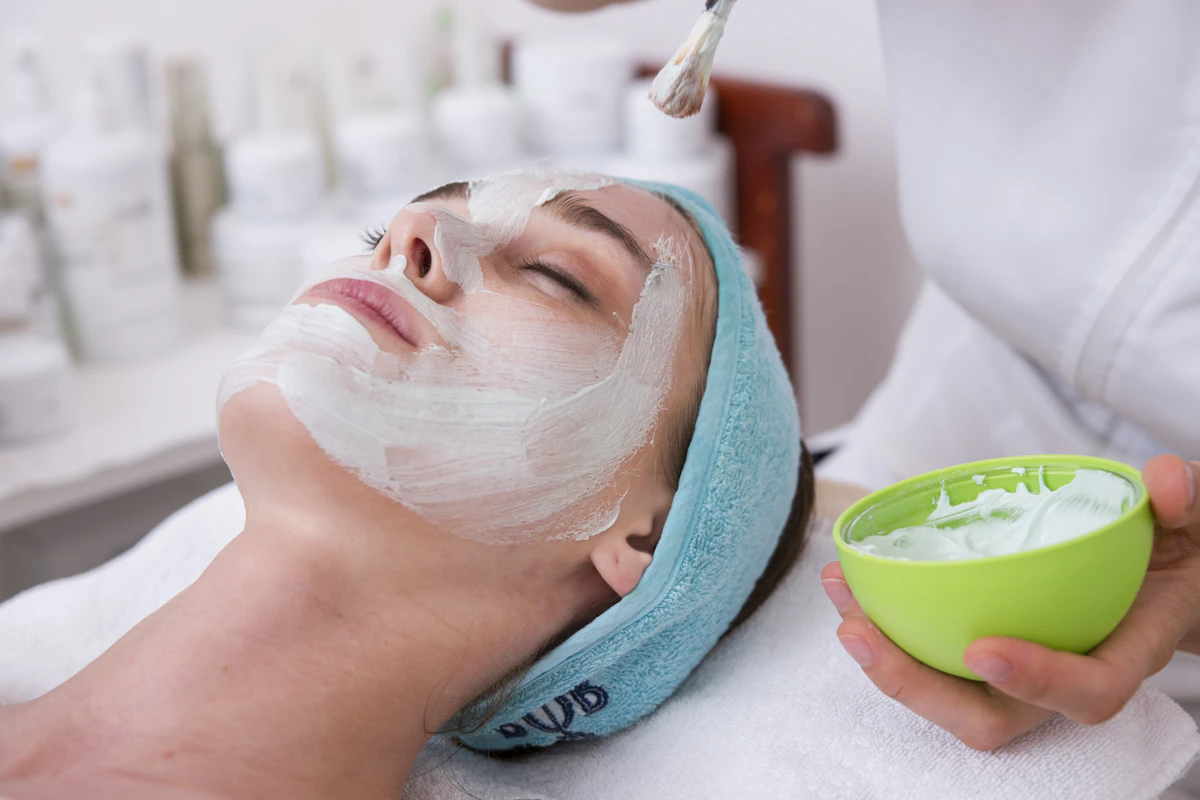
A chemical peel for pigmentation KL may help selected patients with superficial post-inflammatory hyperpigmentation, clogged pores, dullness, and uneven tone. Common peel ingredients may include glycolic acid, salicylic acid, lactic acid, mandelic acid, or combination peels.
Peels work by encouraging controlled exfoliation and renewal of the upper skin layers. For acne-prone skin, salicylic acid peels may be considered because salicylic acid is oil-soluble and can help with clogged pores. For pigmentation and dullness, alpha hydroxy acid peels may help improve surface brightness.
However, chemical peels must be chosen carefully. Too strong a peel, poor aftercare, or repeated irritation can worsen pigmentation. Patients with darker skin types need careful settings and proper preparation. Professional peels should not be treated like simple facials; they are medical or aesthetic procedures that require assessment, technique, and aftercare.
Laser Pigmentation Treatment Kuala Lumpur
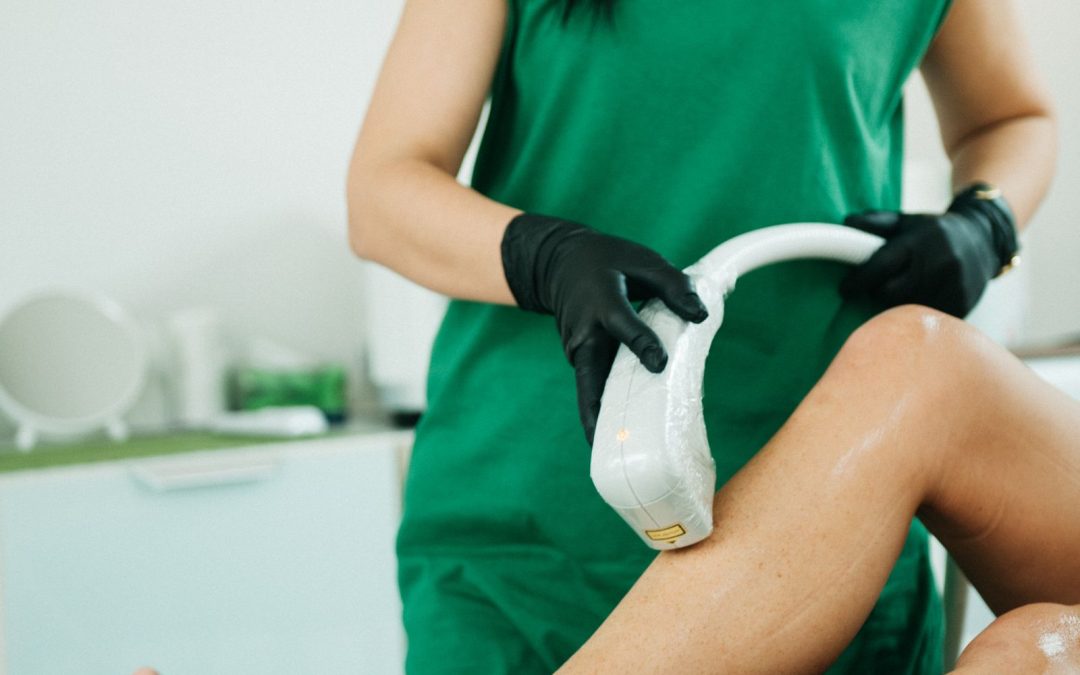
Laser pigmentation treatment Kuala Lumpur may be considered for selected cases of acne pigmentation, especially when topical treatment and sun protection are not enough. Different lasers target pigment in different ways. Some are designed for superficial pigment, while others may be used for deeper pigment or overall tone.
However, laser is not automatically the best first step for every patient. In acne-prone or pigmentation-prone skin, excessive energy, wrong settings, recent tanning, poor aftercare, or active inflammation may increase the risk of post-treatment pigmentation. This is why doctor-led assessment is important.
Some patients benefit from a staged plan: first control acne and skin barrier, then introduce brightening skincare, then consider peels or lasers if needed. Others may need treatment for acne scars, pores, redness, or melasma at the same time.
Skin Boosters and Hydration-Based Treatments
Skin booster Kuala Lumpur searches are common among patients with dull skin, roughness, and tired-looking complexion. Skin boosters are injectable hydration or skin-quality treatments designed to improve skin hydration, glow, and texture over time. They do not directly “erase” pigment like a pigment laser, but they may complement a plan for dullness and overall skin quality.
For patients whose main concern is pigmentation after acne, skin boosters may be supportive rather than primary treatment. A doctor can advise whether the concern is mainly pigment, dehydration, texture, scars, or a combination.
Combination Treatment Plans
Most patients get better results from a structured combination plan rather than one isolated treatment. A typical plan may include acne control, sunscreen, barrier repair, topical brightening ingredients, periodic peels, selected laser sessions, and maintenance skincare.
The best plan depends on skin type, budget, downtime tolerance, acne severity, pigment depth, previous reactions, and personal goals.
Benefits of Treating Pigmentation After Acne
More Even Skin Tone
The most obvious benefit is a more even-looking complexion. When dark marks fade, the skin may look clearer even if there are still minor pores or texture concerns. This can reduce reliance on concealer or heavy foundation.
Better Acne Control
A good pigmentation plan usually includes acne control. This can reduce new breakouts and prevent new marks. Patients often feel more confident when the cycle of pimple-mark-pimple-mark becomes less frequent.
Improved Skin Confidence
Although pigmentation after acne is medically harmless, it can affect confidence. Many patients feel frustrated when people assume they still have active acne because dark marks remain. Improvement can support social confidence, especially for patients who work in customer-facing roles, attend events, or appear frequently in photos.
Better Long-Term Skin Habits
Treatment often teaches patients better sunscreen habits, gentler cleansing, proper moisturising, and safer use of active ingredients. These habits can benefit overall skin health beyond pigmentation.
Limitations of Treatment
Pigmentation Takes Time
Pigmentation after acne does not disappear overnight. Even with good treatment, improvement is gradual. Superficial marks may fade faster, while deeper marks may need months of care. New acne can create new pigmentation during the process.
Not Every Mark Responds the Same Way
Some marks are mainly brown pigment. Others are red marks, vascular marks, melasma, scars, or mixed concerns. Brown pigment treatments may not fully correct redness or indentation. This is why diagnosis matters.
Treatments Can Irritate the Skin
Brightening acids, retinoids, peels, and lasers can irritate the skin if used incorrectly. Irritation can worsen pigmentation in prone skin. A responsible plan balances effectiveness with safety.
Maintenance Is Needed
Even after improvement, acne and pigmentation can recur. Sunscreen, acne maintenance, and suitable skincare are needed to preserve results. Patients who stop all maintenance may notice new marks forming when acne returns.
Realistic Expectations

How Long Does It Take to Fade?
Mild pigmentation may begin to look better after several weeks of consistent skincare and sunscreen, but more visible improvement often takes a few months. Deeper post-inflammatory hyperpigmentation can take much longer. The NIH-hosted review mentioned earlier explains that epidermal PIH may last 6 to 12 months, while dermal PIH may persist for years in some cases.
Professional treatments such as peels or lasers may speed up improvement, but they still require a series of sessions and proper aftercare. No ethical clinic should guarantee complete clearance in one session.
What Results Are Reasonable?
Reasonable goals include lighter marks, more even tone, fewer new marks, better acne control, smoother-looking skin, and improved overall clarity. Complete removal of every mark may not always be possible, especially if acne continues or pigment is deep.
Why Before-and-After Photos Help
Photos taken under similar lighting can help track progress. Many patients underestimate improvement because pigmentation fades slowly day by day. Monthly photos can show changes more clearly.
Safety Considerations
Avoid Unregulated Whitening Products
Patients should be cautious with unregulated whitening creams, especially products sold online without proper ingredient transparency. Some may contain unsafe levels of steroids, mercury, or hydroquinone-like compounds. These can damage the skin, trigger acne, cause thinning, or worsen pigmentation over time.
Do Not Overuse Active Ingredients
Using retinoid, vitamin C, exfoliating acid, benzoyl peroxide, and strong brightening cream all at once can irritate the skin. More products do not always mean faster results. For pigmentation-prone skin, slow and steady treatment is safer.
Choose Treatment Based on Skin Type
Darker skin types can respond very well to treatment, but they require careful protocols. Aggressive laser settings, strong peels, and poor aftercare can trigger PIH. A doctor-led aesthetic clinic Kuala Lumpur should assess risk before recommending procedures.
Pregnancy and Breastfeeding
Some ingredients and medications are not suitable during pregnancy or breastfeeding. Retinoids, certain oral acne medications, and some procedures may need to be avoided. Patients should always inform their doctor if they are pregnant, planning pregnancy, or breastfeeding.
Recovery and Aftercare
After Topical Treatments
Topical treatments may cause mild dryness, peeling, or purging-like changes depending on the ingredient. Patients should use a gentle cleanser, moisturiser, and sunscreen. If stinging, burning, or severe redness occurs, the product may need to be reduced or stopped.
After Chemical Peels
After a chemical peel, the skin may feel tight, dry, or mildly flaky. Some peels cause visible peeling, while others do not. Patients should avoid scrubbing, picking flakes, using harsh actives, or exposing the skin to strong sun. Sunscreen and moisturiser are essential.
After Laser Treatments
After laser pigmentation treatment, mild redness, warmth, temporary darkening of spots, or dryness may occur depending on the device and settings. Patients should follow clinic instructions carefully, avoid sun exposure, and report unusual blistering, prolonged redness, or worsening pigmentation.
When to Seek Help
Seek medical advice if you develop severe swelling, pain, blistering, infection signs, or pigmentation that worsens quickly after treatment. Early management can reduce complications.
Prevention: How to Reduce New Dark Acne Marks
Treat Acne Early
The earlier acne inflammation is controlled, the lower the chance of dark marks. Do not wait until acne becomes cystic or widespread before seeking help.
Avoid Picking Pimples
Picking may feel satisfying for a moment, but it often extends healing time and increases pigmentation risk. Use acne patches, topical spot treatment, or professional extraction when appropriate.
Use Sunscreen Every Day
Daily sunscreen is one of the most important habits for preventing marks from becoming darker. This includes cloudy days, driving days, and days spent near windows.
Keep Skincare Simple
A simple routine is often best: gentle cleanser, moisturiser, sunscreen, acne treatment, and one or two targeted brightening ingredients. Avoid changing products too often, as this makes it difficult to identify what is helping or irritating the skin.
Choose Non-Comedogenic Products
Makeup, sunscreen, and moisturiser should be suitable for acne-prone skin. Heavy, pore-clogging products may worsen breakouts and lead to more marks.
FAQs
1. Is pigmentation after acne permanent?
Not always. Many dark acne marks fade gradually, especially when acne is controlled and sunscreen is used daily. However, some deeper or repeated pigmentation may take many months or longer to improve.
2. How do I know whether I have acne pigmentation or acne scars?
If the mark is flat but darker than the surrounding skin, it is more likely pigmentation. If the skin surface is indented, pitted, or raised, acne scarring may also be present. Many patients have both.
3. Can sunscreen really help fade acne marks?
Sunscreen does not bleach pigment directly, but it helps prevent UV-triggered darkening and supports better results from brightening treatments. Without sunscreen, pigmentation may take longer to fade.
4. Is chemical peel for pigmentation KL suitable for acne marks?
Chemical peels can help selected patients with superficial pigmentation, clogged pores, and dullness. However, peel type and strength must match the patient’s skin type and sensitivity to avoid irritation or rebound pigmentation.
5. Is laser pigmentation treatment Kuala Lumpur safe for darker skin?
Laser can be safe when properly selected and performed with suitable settings, but darker skin types require careful assessment because the risk of post-treatment pigmentation is higher if treatment is too aggressive.
6. Can I treat pigmentation while I still have acne?
Yes, but active acne should be controlled at the same time. If acne continues, new dark marks will keep forming. A combined acne and pigmentation plan is usually more effective.
7. Which ingredient is best for acne pigmentation?
There is no single best ingredient for everyone. Options may include retinoids, azelaic acid, vitamin C, niacinamide, and exfoliating acids. The right choice depends on acne activity, sensitivity, skin tone, and whether the patient is pregnant or breastfeeding.
8. How many sessions do I need for acne marks treatment KL?
It depends on the depth of pigmentation, treatment type, skin response, and whether acne is still active. Some patients need only skincare and sunscreen, while others may need a series of peels, lasers, or combination treatments.
9. Can I use whitening cream from online sellers?
Be careful. Unregulated whitening products may contain harmful or unsuitable ingredients. It is safer to use products recommended by qualified healthcare professionals, especially if you have acne-prone or sensitive skin.
10. Why do my acne marks become darker after outdoor activities?
UV exposure can stimulate pigment production and make existing marks look darker. This is common in sunny climates like Malaysia. Sunscreen, hats, shade, and reapplication can help.
11. Are acne marks and post-inflammatory hyperpigmentation the same?
Many people use “acne marks” to describe PIH, but acne marks can also include redness or early scarring. Post-inflammatory hyperpigmentation specifically refers to excess pigment after inflammation.
12. When should I visit an aesthetic clinic Kuala Lumpur?
Visit a doctor-led clinic if pigmentation persists, acne remains active, marks are worsening, skincare is irritating your skin, or you are considering peels, lasers, or combination treatments.
Conclusion
Pigmentation after acne is common, especially among Malaysian patients with medium to darker skin tones and frequent sun exposure. These dark marks happen because acne inflammation stimulates pigment production, leaving flat brown or greyish marks after pimples heal. Although pigmentation after acne is not the same as true acne scarring, it can still affect confidence and may take months to fade without a structured plan.
The most effective approach is usually not one single product or one quick procedure. A responsible plan should control active acne, protect the skin from sun exposure, repair the skin barrier, use suitable brightening ingredients, and consider professional treatments such as chemical peels or laser pigmentation treatment only when appropriate. For patients in Kuala Lumpur, a personalised doctor-led assessment can help determine whether the concern is pigmentation, redness, acne scarring, melasma, or a combination.
If you are searching for acne pigmentation treatment Kuala Lumpur, dark acne marks KL, post-inflammatory hyperpigmentation Kuala Lumpur, acne marks treatment KL, pigmentation treatment Kuala Lumpur, chemical peel for pigmentation KL, laser pigmentation treatment Kuala Lumpur, or an aesthetic clinic Kuala Lumpur, consider starting with a proper consultation rather than guessing your treatment from social media trends.
Millennium Clinic Kuala Lumpur offers doctor-led skin consultation and personalised treatment planning for acne marks, pigmentation, dull skin, and related aesthetic concerns. A careful assessment allows the team to recommend a treatment plan that suits your skin type, acne activity, pigmentation pattern, lifestyle, and realistic goals.
References
- National Institutes of Health / PubMed Central – Managing Post-inflammatory Hyperpigmentation in Patients With Acne: https://pmc.ncbi.nlm.nih.gov/articles/PMC8565877/
- Mayo Clinic – Acne Symptoms and Causes: https://www.mayoclinic.org/diseases-conditions/acne/symptoms-causes/syc-20368047
- MedlinePlus – Acne: https://medlineplus.gov/acne.html
- MedlinePlus Medical Encyclopedia – Acne: https://medlineplus.gov/ency/article/000873.htm
- National Institutes of Health / PubMed Central – The Role of Sunscreen in Melasma and Postinflammatory Hyperpigmentation: https://pmc.ncbi.nlm.nih.gov/articles/PMC6986132/
- American Academy of Dermatology – Acne Diagnosis and Treatment: https://www.aad.org/public/diseases/acne/derm-treat/treat
- American Academy of Dermatology – Prevent Skin Cancer / Sunscreen Guidance: https://www.aad.org/public/diseases/skin-cancer/prevent


0 Comments