
Post-Acne Marks or True Acne Scars? A Guide to the Right Treatment Approach
Introduction
Many people describe any leftover mark after a breakout as an “acne scar.” However, from a medical and treatment-planning perspective, there is an important difference between post-acne marks and true acne scars. This difference matters because brown marks, red marks, and pitted scars usually need different treatment approaches, different timelines, and different expectations.
For Malaysian patients, especially those living in sunny and humid environments such as Kuala Lumpur, post-acne concerns can feel frustrating. A pimple may heal within days, but the mark left behind may remain visible for weeks or months. In some cases, acne inflammation damages the deeper structure of the skin, leaving a depressed or uneven surface that does not fade on its own in the same way as pigmentation marks.
This guide explains post-acne marks vs acne scars in a patient-friendly but medically responsible way. It will help you understand the difference between dark acne marks, post-inflammatory hyperpigmentation, red marks, pitted acne scars, and raised scars. It also explains how doctors may assess your skin and plan treatment options such as topical skincare, chemical peels, lasers, microneedling, skin boosters, subcision, or combination treatments.
The goal is not to promise perfect skin. The goal is to help you understand what type of acne aftermath you may have, what treatments may be suitable, what results are realistic, and why proper skin assessment at an aesthetic clinic Kuala Lumpur can make your treatment journey safer and more targeted.
Key Takeaways
| Key Point | Summary |
|---|---|
| What is the difference between post-acne marks and acne scars? | Post-acne marks are usually colour changes left after inflammation, while true acne scars involve structural changes in the skin such as pitting, indentations, or raised tissue. |
| Do dark acne marks fade naturally? | Many dark acne marks can fade gradually, but this may take months and can be prolonged by sun exposure, ongoing acne, picking, or inflammation. |
| What is post-inflammatory hyperpigmentation? | Post-inflammatory hyperpigmentation is darkening of the skin after inflammation or injury, often due to excess melanin production after acne. |
| Are pitted acne scars permanent? | Pitted scars are structural scars. They may improve with treatments such as laser, microneedling, subcision, or combination therapy, but they usually do not disappear completely. |
| Why is skin assessment important? | Different concerns need different treatments. Pigmentation, redness, active acne, and scars may overlap, so assessment helps prevent unsuitable or overly aggressive treatment. |
| What treatment is suitable for acne marks treatment Kuala Lumpur? | Options may include acne control, sunscreen, topical brightening agents, chemical peels, pigment lasers, and gentle energy-based treatments depending on skin type and severity. |
| What treatment is suitable for acne scar treatment Kuala Lumpur? | True scars may need collagen-stimulating procedures such as fractional laser, microneedling, radiofrequency microneedling, subcision, or filler-based approaches. |
| How long does improvement take? | Marks may improve over weeks to months, while scars usually need multiple sessions over several months with gradual collagen remodelling. |
| Can one treatment fix everything? | Usually not. Many patients need a phased treatment plan that controls acne first, then treats marks, pigmentation, texture, and scars. |
| Why choose a doctor-led clinic? | A doctor-led approach helps assess skin type, acne activity, pigmentation risk, medical history, and treatment suitability before creating a personalised plan. |
Image credit: Unsplash. For illustration only.
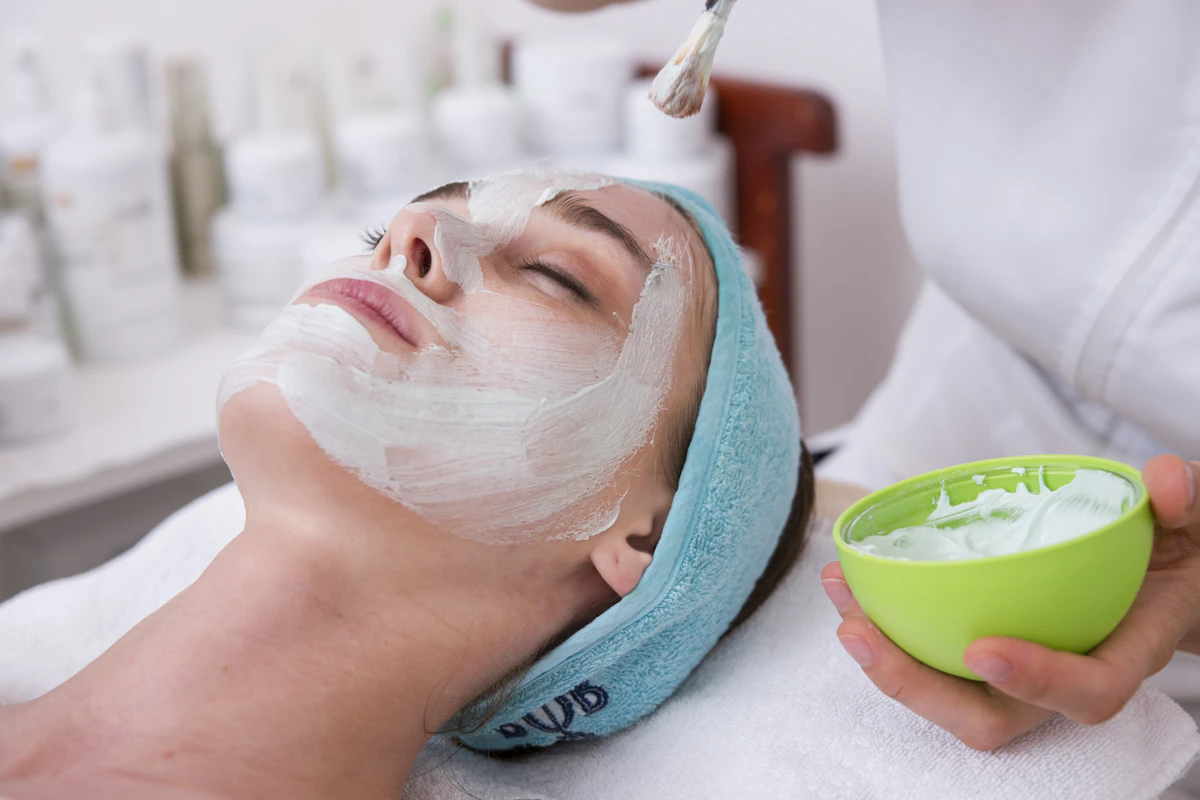
Understanding the Key Difference: Post-Acne Marks vs Acne Scars
The phrase post-acne marks vs acne scars is important because patients often use both terms interchangeably. In reality, the skin concern may be different.
Post-Acne Marks Are Mainly Colour Changes
Post-acne marks are usually flat areas of discolouration after a pimple heals. They can appear brown, grey-brown, red, pink, or purplish depending on your skin tone, inflammation level, and blood vessel response.
Common types include:
Post-inflammatory hyperpigmentation, often seen as brown or dark marks after acne.
Post-inflammatory erythema, often seen as red or pink marks, more noticeable in lighter skin but can also occur in Asian skin tones.
These marks are not true scars because the skin surface is usually flat. The colour changes may gradually fade, but the process can be slow, especially when acne keeps recurring or the skin is frequently exposed to UV light.
Medical references such as MedlinePlus explain that acne is common and can lead to scarring, while skin colour changes can occur when melanin production is affected by inflammation or other triggers MedlinePlus acne information and MedlinePlus skin pigmentation disorders.
True Acne Scars Are Structural Changes
True acne scars involve changes in skin texture or structure. They may look like dents, pits, uneven depressions, rolling shadows, or raised thickened areas. These occur when inflammation damages collagen and deeper skin support structures during the healing process.
Examples include:
Ice pick scars: small, narrow, deep-looking pits.
Boxcar scars: wider depressions with more defined edges.
Rolling scars: broad, shallow depressions that create uneven skin shadows.
Hypertrophic or keloid scars: raised scars caused by excess tissue formation.
True scars usually do not fade completely with skincare alone because they involve collagen loss, fibrous bands, or raised tissue formation.
Symptoms and Skin Concerns After Acne
Post-acne concerns can affect both appearance and confidence. Some people feel that their skin looks uneven even when there are no active pimples.
Dark Acne Marks
Dark acne marks may appear brown, grey-brown, or blackish. This is common in Asian and darker skin tones because melanocytes can respond strongly to inflammation. Patients searching for dark acne marks treatment Kuala Lumpur often describe their concern as “dark spots,” “old pimple marks,” “pigmentation after acne,” or “acne stains.”
These marks are usually flat. They may become darker after sun exposure or if the acne area is picked, squeezed, scrubbed, or irritated.
Red or Pink Marks
Red or pink marks may happen after inflamed acne heals. They can be more visible after exercise, heat, or washing the face. They may improve over time, but in some cases they remain for months.
Pitted Acne Scars
Patients looking for pitted acne scars treatment KL usually describe holes, dents, roughness, or uneven texture. These scars are visible under side lighting because shadows make indentations more obvious.
Pitted scars can make the skin look rough even when the skin colour is relatively even. Makeup may not fully cover them because the issue is texture rather than colour.
Uneven Skin Texture
Uneven texture may come from a mixture of clogged pores, enlarged pores, shallow scars, dehydration, thickened dead skin, or previous inflammatory acne. A doctor needs to assess whether the problem is active acne, congestion, scarring, pigmentation, or a combination.
Raised Scars
Raised scars are less common on the face than pitted scars but can occur, especially on the jawline, chest, shoulders, and back. People prone to keloids need careful treatment planning because aggressive procedures may worsen scarring.
Causes: Why Acne Leaves Marks or Scars
Acne can leave different types of after-effects depending on inflammation, skin type, acne severity, healing response, and external triggers.
Inflammation Triggers Pigment and Vascular Changes
When acne becomes inflamed, the skin’s healing response may stimulate pigment production. The NIH NCBI Bookshelf describes post-inflammatory hyperpigmentation as a condition caused by overproduction and irregular dispersion of melanin after skin inflammation or injury NIH NCBI Bookshelf on post-inflammatory hyperpigmentation.
This is why a small pimple can sometimes leave a dark mark that lasts much longer than the acne itself.
Deeper Acne Can Damage Collagen
Severe inflammatory acne, cystic acne, nodules, and repeated breakouts can damage deeper skin layers. When collagen is lost or repaired unevenly, the skin may heal with depressions or scars.
Picking and Squeezing Increase Injury
Picking pimples can increase inflammation, push infection deeper, break the surrounding skin, and raise the chance of both pigmentation and scarring. This is one reason acne control and patient education are important before starting acne mark or scar procedures.
Sun Exposure Can Darken Marks
UV exposure can worsen pigmentation and prolong fading. In Malaysia, strong sunlight and frequent outdoor exposure can make post-inflammatory hyperpigmentation more persistent. Sunscreen is therefore not just a cosmetic product; it is part of medical pigmentation management.
The MedlinePlus Medical Encyclopedia notes that increased pigment production, or hyperpigmentation, can result from certain rashes as well as sun exposure MedlinePlus on patchy skin colour.
Risk Factors for Post-Acne Marks and True Acne Scars
Not everyone with acne develops long-lasting marks or scars. Several factors can increase the risk.
Moderate to Severe Inflammatory Acne
Deep, painful, inflamed acne carries a higher risk of scarring than mild whiteheads or blackheads. Nodules and cystic lesions are particularly associated with structural damage.
Delayed Acne Treatment
Waiting too long to treat active acne may allow repeated inflammation to damage the skin. Early acne control is one of the most important steps in preventing future scars.
Skin of Colour and Asian Skin Types
Malaysian patients often have skin types that tan easily or produce pigment after inflammation. This does not mean treatment is impossible, but it means procedures must be selected carefully to reduce the risk of post-treatment pigmentation.
Frequent Picking or Harsh Skincare
Scrubbing, over-exfoliating, using multiple strong actives at once, and squeezing pimples can worsen irritation. Irritated skin is more likely to develop marks and sensitivity.
Genetics and Keloid Tendency
Some people naturally scar more easily. A personal or family history of keloids is important information to share during consultation, especially before procedures involving heat, needles, or controlled injury.
Diagnosis and Skin Assessment
A proper skin assessment helps determine whether the concern is pigmentation, redness, true scarring, active acne, or mixed skin damage. This is especially important before choosing acne scar laser Kuala Lumpur or other energy-based treatments.
Visual Examination
The doctor or trained practitioner will examine the skin under good lighting. They may check whether marks are flat or raised, whether scars are shallow or deep, and whether active acne is still present.
Side Lighting for Texture
Indented scars are often easier to see with angled lighting. This helps identify rolling scars, boxcar scars, and ice pick scars that may not be obvious under flat lighting.
Skin Type and Pigmentation Risk
Skin type matters because darker or easily tanned skin has a higher chance of post-inflammatory hyperpigmentation after aggressive procedures. This affects laser settings, peel strength, interval between sessions, and aftercare.
Acne Activity Assessment
If active acne is still uncontrolled, scar treatment may be delayed or combined with acne management. Treating scars while new acne continues to form can lead to frustration because new marks and scars keep appearing.
Medical History and Medication Review
A proper consultation may include questions about pregnancy, breastfeeding, isotretinoin history, photosensitivity, previous procedures, allergies, keloid tendency, and current skincare use.
Treatment Options for Post-Acne Marks
Treatment for post-acne marks aims to reduce pigmentation, calm inflammation, improve skin turnover, and prevent new acne.
Sunscreen and Photoprotection
Daily broad-spectrum sunscreen is one of the most important foundations for post-inflammatory hyperpigmentation KL management. Without sun protection, dark marks may fade more slowly and can become darker.
A practical approach for Kuala Lumpur weather includes lightweight sunscreen, reapplication when outdoors, hats or umbrellas when possible, and avoiding peak sun exposure when practical.
Acne Control First
If breakouts are still active, treatment should focus on reducing new acne. Otherwise, every new inflamed pimple can create another dark mark. Acne control may include topical medications, oral medications when appropriate, lifestyle review, and suitable skincare.
MedlinePlus notes that acne can cause scars, which supports the importance of early and consistent acne care MedlinePlus acne overview.
Topical Brightening Ingredients
Topical treatment may include ingredients such as azelaic acid, retinoids, niacinamide, vitamin C, kojic acid, or other pigment-regulating agents. Prescription options may be considered depending on severity and patient suitability.
These products usually require consistency. They are not instant fixes, and irritation can worsen pigmentation if products are too strong or used incorrectly.
Chemical Peels
Chemical peels may help improve mild acne marks, dullness, clogged pores, and uneven tone. The type and strength of peel should be selected based on skin type, acne activity, and pigmentation risk.
The Mayo Clinic states that chemical peels are used to treat concerns such as discoloured skin and scars, but suitability depends on assessment and correct procedure planning Mayo Clinic on chemical peels.
Pigment Lasers and Light-Based Treatments
Selected laser or light-based treatments may help certain pigmentation concerns. However, not every dark mark is suitable for the same laser. Settings must be adjusted carefully for Asian skin to reduce the risk of rebound pigmentation or burns.
For dark acne marks treatment Kuala Lumpur, a doctor may recommend laser only after checking whether the pigment is superficial, deep, mixed, or still inflamed.
Skin Boosters and Hydration-Based Treatments
Some patients searching for skin booster Kuala Lumpur want smoother, healthier-looking skin after acne. Skin boosters may help improve hydration, glow, and fine texture, but they should not be presented as a direct replacement for acne scar revision. They may be part of a broader treatment plan when the skin barrier, dullness, and hydration are also concerns.
Treatment Options for True Acne Scars
True acne scars often need procedures that stimulate collagen remodelling, release tethered scars, or improve surface texture. Treatment is usually gradual and may require several sessions.
Fractional Laser Resurfacing
Fractional lasers create controlled zones of skin injury to stimulate repair and collagen remodelling. Depending on the device, lasers may be ablative or non-ablative.
The Mayo Clinic explains that laser resurfacing uses energy-based devices to improve the look and feel of skin, including uneven skin colour and texture concerns Mayo Clinic on laser resurfacing.
For acne scars, fractional laser may help improve texture, but it requires proper settings, aftercare, and realistic expectations. In Asian skin, the risk of temporary or prolonged pigmentation must be discussed.
Microneedling
Microneedling uses fine needles to create controlled micro-injuries that stimulate collagen production. It may be considered for certain types of atrophic acne scars.
The Mayo Clinic describes skin needling as a technique that stimulates collagen formation and may be helpful for acne scarring, although results are often subtle and repeat treatments may be needed Mayo Clinic on acne scar treatments.
Radiofrequency Microneedling
Radiofrequency microneedling combines microneedling with controlled heat energy. It may help certain rolling or boxcar scars and can be useful for skin texture. However, it still requires careful technique, especially in patients prone to pigmentation.
Subcision
Subcision is a procedure used for tethered rolling scars. A needle or cannula is used under the skin to release fibrous bands pulling the scar downward. It may be combined with laser, microneedling, or injectables depending on the scar type.
TCA CROSS
TCA CROSS may be used for selected ice pick scars. It involves applying a strong acid carefully into narrow scars to stimulate remodelling. This should only be performed by trained professionals because incorrect application can worsen pigmentation or scarring.
Fillers for Depressed Scars
Some depressed scars may benefit from filler-based correction, especially if there is volume loss or tethering. Results vary depending on scar type, product choice, technique, and individual healing.
Combination Treatment
Many patients need combination treatment because different scar types appear on the same face. For example, a patient may have dark marks, rolling scars, ice pick scars, enlarged pores, and active acne at the same time. A personalised plan may combine acne control, pigment management, laser, subcision, microneedling, and maintenance skincare.
Image credit: Unsplash. For illustration only.

Benefits of the Right Treatment Approach
Choosing treatment based on the correct diagnosis offers several benefits.
More Targeted Results
If the main issue is pigmentation, scar procedures alone may not be the best first step. If the main issue is pitted scarring, brightening creams alone may disappoint. Correct diagnosis helps match treatment to the problem.
Lower Risk of Complications
Skin of colour requires careful planning. Overly aggressive peels or lasers may cause darkening, irritation, or prolonged recovery. A staged approach can reduce unnecessary risk.
Better Use of Budget
Patients often spend money on random skincare or single-session procedures without knowing what they are treating. A proper plan helps prioritise what matters most.
Realistic Expectations
Understanding whether the concern is a flat mark or a true scar helps patients understand why treatment timelines differ. Pigment fading and collagen remodelling are both gradual processes.
Limitations of Treatment
Medical aesthetics can improve many post-acne concerns, but limitations must be clearly explained.
Scars May Improve, Not Disappear Completely
True acne scars are structural. Treatments may soften, smooth, or reduce their appearance, but complete removal is not a realistic promise.
Multiple Sessions Are Usually Needed
Collagen remodelling takes time. Laser, microneedling, RF microneedling, and subcision often require several sessions, with results developing gradually.
Pigmentation Can Recur
Post-inflammatory hyperpigmentation can return if acne recurs, sun protection is poor, or the skin becomes irritated. Maintenance skincare matters.
Not Every Treatment Fits Every Skin Type
Some treatments may not be suitable for patients with active infection, uncontrolled acne, pregnancy, certain medications, keloid tendency, or recent sunburn.
Downtime Varies
Some procedures cause mild redness for a few hours, while others may involve peeling, swelling, crusting, or temporary darkening. Patients should plan around work, school, events, and sun exposure.
Realistic Expectations: What Patients Should Know
A good treatment plan should explain expected improvement, downtime, risks, and maintenance.
For Dark Acne Marks
Flat dark marks may gradually fade over months. Treatment may speed up improvement, but patience is still needed. Results depend on depth of pigment, acne control, sun exposure, and consistency with homecare.
For Red Marks
Red marks may improve with time and selected vascular or calming treatments. However, they can appear worse with heat, exercise, or irritation.
For Pitted Scars
Pitted scars usually need collagen-stimulating or scar-revision procedures. Improvement is gradual. Patients may notice smoother texture, softer shadows, and better makeup application, but not complete erasure.
For Mixed Concerns
Mixed acne marks and scars require phased treatment. A possible sequence may be:
First, control active acne.
Second, calm inflammation and protect the skin barrier.
Third, treat pigmentation and redness.
Fourth, treat deeper scars and texture.
Fifth, maintain results with skincare and prevention.
This is why patients searching for acne marks treatment Kuala Lumpur and acne scar treatment Kuala Lumpur may receive different recommendations even if their concerns look similar at first glance.
Safety Considerations
Safety should always come before speed.
Avoid Treating Active Infection or Severe Irritation
Procedures should not be performed over infected, severely inflamed, or broken skin unless specifically indicated by a doctor. Treating irritated skin too aggressively can worsen marks.
Be Careful With Strong Products
Using too many actives at once can damage the skin barrier. Retinoids, acids, vitamin C, benzoyl peroxide, and brightening products may be useful, but they need proper spacing and tolerance-building.
Disclose Medical History
Patients should inform the doctor about pregnancy, breastfeeding, isotretinoin use, keloids, autoimmune conditions, allergies, recent procedures, and current medications.
Choose Qualified Providers
Energy-based devices, injections, peels, and scar procedures should be performed or supervised by appropriately trained professionals. Poor technique can lead to burns, pigmentation, infection, or worsening scars.
Understand Consent and Aftercare
Before treatment, patients should understand what the procedure does, expected downtime, possible side effects, and what to avoid after treatment.
Recovery and Aftercare
Recovery depends on the treatment type. Mild treatments may require minimal downtime, while deeper procedures may require several days or longer.
After Topical Treatment
Some dryness, mild peeling, or sensitivity may occur when starting active ingredients. Introduce products gradually and use moisturiser. Stop harsh scrubs and avoid layering too many strong products.
After Chemical Peels
Patients may experience redness, tightness, dryness, or peeling. Sunscreen and gentle skincare are essential. Picking peeling skin can increase pigmentation risk.
After Laser or Microneedling
Temporary redness, swelling, sensitivity, roughness, or mild darkening may occur. Patients should follow clinic instructions carefully and avoid sun exposure, sauna, swimming, harsh skincare, and picking.
When to Contact the Clinic
Patients should contact their clinic if they experience increasing pain, pus, severe swelling, blistering, spreading redness, fever, or unusual skin darkening.
Image credit: Unsplash. For illustration only.

Prevention: How to Reduce New Marks and Scars
Prevention is often easier than correction.
Treat Acne Early
Early acne treatment reduces repeated inflammation and lowers the chance of future marks and scars. Even mild acne can leave pigmentation in some skin types.
Do Not Pick Pimples
Picking increases skin injury and inflammation. It can turn a small pimple into a long-lasting mark or scar.
Use Sunscreen Daily
Sunscreen helps prevent dark marks from worsening. In Kuala Lumpur, this is especially important because UV exposure is common throughout the year.
Keep Skincare Simple
A gentle cleanser, moisturiser, sunscreen, and targeted acne treatment are often better than using too many products. Barrier damage can worsen acne and pigmentation.
Review Comedogenic Products
Heavy creams, oily hair products, and certain makeup may clog pores for some patients. Non-comedogenic options may help acne-prone skin.
Maintain Follow-Up
Acne and pigmentation treatment often requires adjustment. Follow-up allows the doctor to change products, modify procedures, and manage side effects early.
FAQs
1. How do I know if I have post-acne marks or true acne scars?
Post-acne marks are usually flat colour changes, while true acne scars cause texture changes such as pits, dents, raised areas, or uneven shadows. If you can feel or see a depression in the skin, it is more likely to be a scar.
2. Can dark acne marks fade without treatment?
Yes, some dark marks fade naturally, but it may take months. Sun exposure, recurring acne, picking, and irritation can make them last longer.
3. What is the best treatment for post-inflammatory hyperpigmentation KL?
There is no single best treatment for everyone. Options may include acne control, sunscreen, topical brightening products, chemical peels, and selected pigment lasers. The correct choice depends on skin type, pigment depth, sensitivity, and active acne status.
4. Can skincare remove pitted acne scars?
Skincare may improve skin quality, mild texture, and pigmentation, but it usually cannot remove pitted scars. Pitted scars often need procedures such as laser, microneedling, RF microneedling, subcision, or TCA CROSS.
5. Is acne scar laser Kuala Lumpur suitable for all skin types?
Laser may be suitable for some patients, but not everyone. Skin type, pigmentation risk, scar type, acne activity, and medical history must be assessed first.
6. How many sessions are needed for acne scar treatment?
The number of sessions depends on scar severity, scar type, treatment method, and individual healing. Many patients need multiple sessions over several months.
7. Why did my acne mark become darker after the pimple healed?
Inflammation can trigger excess melanin production. In some skin types, this leads to brown or grey-brown marks known as post-inflammatory hyperpigmentation.
8. Should I treat acne first or scars first?
In many cases, active acne should be controlled first. Treating scars while new acne continues to form may lead to repeated marks and new scars.
9. Are chemical peels good for acne marks?
Chemical peels may help selected cases of acne marks, dullness, and mild texture irregularity. However, the peel type and strength must be suitable for your skin to avoid irritation or pigmentation.
10. Can skin boosters help acne scars?
Skin boosters may improve hydration, glow, and overall skin quality, but they are not usually the main treatment for deep pitted scars. They may be combined with other treatments as part of a broader plan.
11. Is it safe to combine treatments?
Combination treatment can be effective when properly planned. However, doing too many procedures too close together may increase irritation and pigmentation risk. A doctor should plan the sequence.
12. What should I avoid after acne scar treatment?
Avoid direct sun exposure, harsh exfoliation, picking, sauna, swimming, and strong active skincare until your clinic says it is safe. Follow aftercare instructions carefully.
13. Can acne scars come back after treatment?
Treated scars do not usually “come back” in the same way, but new acne can create new marks or scars. Maintenance and acne control remain important.
14. Is treatment painful?
Comfort varies by procedure. Some treatments use numbing cream. Patients may feel heat, pressure, prickling, or mild discomfort depending on the treatment.
15. When should I see a doctor?
You should consider assessment if acne keeps recurring, marks are worsening, scars are forming, or over-the-counter products are not helping. Early guidance may reduce long-term skin damage.
Choosing the Right Aesthetic Clinic in Kuala Lumpur
When choosing an aesthetic clinic Kuala Lumpur for post-acne marks or scars, look for a clinic that focuses on proper assessment rather than offering the same treatment to everyone.
A good consultation should include:
Understanding your acne history.
Identifying whether marks are brown, red, pitted, raised, or mixed.
Checking active acne and skin sensitivity.
Reviewing current skincare and medication use.
Discussing realistic results and possible side effects.
Planning treatment in phases rather than rushing into aggressive procedures.
For patients searching for acne marks treatment Kuala Lumpur, the plan may focus more on pigmentation control, acne prevention, sunscreen, brightening products, peels, or pigment lasers. For those searching for acne scar treatment Kuala Lumpur, the plan may focus more on collagen stimulation, subcision, resurfacing, and texture correction.
The best approach is not necessarily the strongest treatment. It is the most appropriate treatment for your skin type, concern, risk level, and lifestyle.
Image credit: Unsplash. For illustration only.

Conclusion
Understanding post-acne marks vs acne scars is the first step toward choosing the right treatment approach. Flat brown or red marks are usually related to pigment or vascular changes after inflammation, while true acne scars involve structural changes such as pits, depressions, or raised tissue. Because these concerns are different, they often require different treatment plans.
For Malaysian patients, especially in Kuala Lumpur, sun exposure, humid weather, recurring acne, and skin type can influence how marks and scars heal. This is why treatment should not be based only on online trends or one-size-fits-all packages. A careful consultation can help identify whether your concern is post-inflammatory hyperpigmentation, red acne marks, pitted scars, active acne, or mixed skin texture.
At Millennium Clinic Kuala Lumpur, patients can receive doctor-led consultation and personalised treatment planning for acne marks, pigmentation, acne scars, and skin texture concerns. A medically responsible plan may include acne control, pigmentation management, collagen-stimulating treatments, laser or energy-based options, skin boosters, and long-term maintenance depending on your skin condition and goals.
The right treatment journey is not about chasing instant perfection. It is about understanding your skin, treating the correct problem, reducing risk, and building steady improvement with professional guidance.
References
- MedlinePlus. Acne. https://medlineplus.gov/acne.html
- MedlinePlus. Skin Pigmentation Disorders. https://medlineplus.gov/skinpigmentationdisorders.html
- NIH NCBI Bookshelf. Postinflammatory Hyperpigmentation. https://www.ncbi.nlm.nih.gov/books/NBK559150/
- MedlinePlus Medical Encyclopedia. Patchy skin color. https://medlineplus.gov/ency/article/003224.htm
- Mayo Clinic. Laser resurfacing. https://www.mayoclinic.org/tests-procedures/laser-resurfacing/about/pac-20385114
- Mayo Clinic. Acne scars: What’s the best treatment? https://www.mayoclinic.org/diseases-conditions/acne/expert-answers/acne-scars/faq-20058101
- Mayo Clinic. Chemical peel. https://www.mayoclinic.org/tests-procedures/chemical-peel/about/pac-20393473