
How to Plan Your Skin Treatment Journey for Acne Scars, Pigmentation and Dull Skin
Introduction
Planning a skin treatment journey can feel confusing, especially when several concerns appear at the same time. Many patients do not come in with only one issue. They may have old acne scars, brown marks after breakouts, uneven pigmentation, enlarged pores, rough texture, dull-looking skin, or skin that simply does not look as fresh as before. Because these concerns often overlap, choosing the right treatment should not be based on one popular procedure alone. A good plan starts with understanding what is happening in the skin, what can realistically improve, and which treatment should come first.
For patients searching for a skin treatment journey for acne scars pigmentation and dull skin in Kuala Lumpur, the most important first step is proper skin assessment. Acne scars, acne marks, pigmentation and dull skin may look similar from a distance, but they are not the same. True acne scars involve changes in skin structure, such as depressions or uneven texture. Pigmentation involves changes in skin colour, often caused by excess melanin or inflammation. Dull skin may be linked to dehydration, slow skin turnover, sun exposure, lifestyle factors, ageing, or a weakened skin barrier.
According to Mayo Clinic’s explanation of acne, acne happens when hair follicles become plugged with oil and dead skin cells, and inflamed acne may sometimes leave long-term marks or scars. Meanwhile, MedlinePlus explains that skin pigmentation changes can occur when the body produces too much or too little melanin. These two issues often appear together in acne-prone Malaysian skin, especially when breakouts are picked, exposed to sun, or treated too aggressively.
The right aesthetic treatment plan should therefore be personalised. Some patients need acne control first. Others need pigmentation calming before laser treatment. Some may benefit from skin boosters, microneedling, chemical peels, laser-based treatment, subcision, collagen-stimulating procedures, or a combination plan. The goal is not to chase instant perfection, but to build healthier, smoother, brighter and more even-looking skin over time.
Image credit: Unsplash

Key Takeaways
| Key Point | Summary |
|---|---|
| What is the best treatment for acne scars, pigmentation and dull skin? | There is no single best treatment for everyone. The best plan depends on whether the concern is active acne, acne marks, true scars, pigmentation, dullness, dehydration, or rough texture. |
| Should acne scars or pigmentation be treated first? | Active acne and inflammation should usually be controlled first. Pigmentation and scars can then be treated more safely and effectively with a staged plan. |
| Are acne marks the same as acne scars? | No. Acne marks are usually colour changes such as red, brown or dark spots. Acne scars involve textural or structural changes in the skin. |
| How long does a skin treatment journey take? | Mild dullness or superficial pigmentation may improve within weeks to months, while acne scars and deeper pigmentation usually require multiple sessions over several months. |
| Is laser always needed? | Not always. Some patients benefit from skincare, peels, skin boosters, microneedling, subcision or other procedures before or instead of laser treatment. |
| Can pigmentation come back? | Yes. Pigmentation may recur, especially with sun exposure, hormones, heat, inflammation or inconsistent sunscreen use. Maintenance is important. |
| Is treatment safe for Malaysian skin tones? | Many treatments can be suitable, but settings and treatment selection must be adjusted carefully because darker Asian skin tones may be more prone to post-inflammatory hyperpigmentation. |
| Where can I start in Kuala Lumpur? | A consultation at a doctor-led aesthetic clinic Kuala Lumpur can help identify your skin concern and create a personalised treatment plan. |
Understanding the Main Skin Concerns
Acne Scars
Acne scars are long-term changes in skin texture caused by inflammation and tissue damage after acne. They may appear as dents, holes, uneven skin surface, raised scars, or thickened areas. Not every acne patient develops scarring, but the risk is higher when acne is severe, inflamed, cystic, delayed in treatment, or frequently squeezed.
The main types of acne scars include ice pick scars, boxcar scars, rolling scars, hypertrophic scars and keloid-like scars. Atrophic scars are depressed scars caused by collagen loss, while raised scars happen when the skin produces excess repair tissue. A medical review on acne scar classification and treatment notes that acne scars can vary in type and may need different treatment approaches, including resurfacing, needling, subcision, peels or combination therapy.
For patients searching for acne scar treatment Kuala Lumpur or acne scar treatment KL, the first question should not be “Which machine is the strongest?” The better question is “What type of scar do I have?” Ice pick scars, rolling scars and boxcar scars respond differently, so treatment should be matched to scar type.
Acne Marks
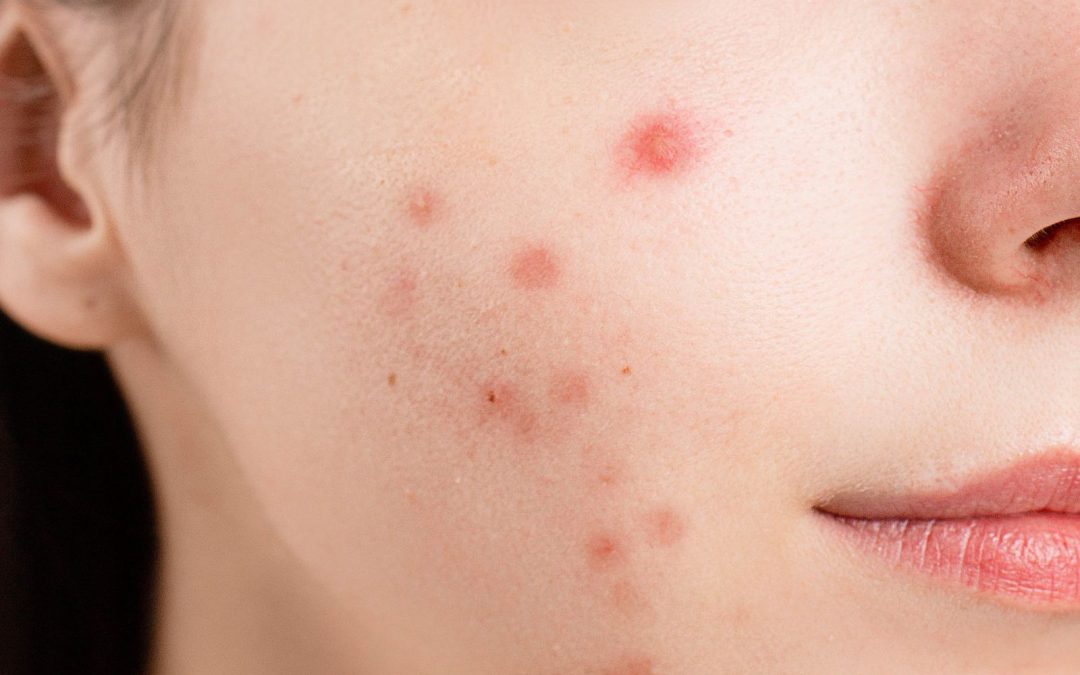
Acne marks are often mistaken for scars. They usually refer to colour changes after pimples heal. Brown or dark marks are commonly called post-inflammatory hyperpigmentation. Red or pink marks may be post-inflammatory erythema, which is related to blood vessel changes and inflammation.
The good news is that acne marks are usually not permanent scars. However, they can take months to fade, especially when the skin is exposed to sunlight or repeated breakouts. NCBI’s clinical summary on post-inflammatory hyperpigmentation explains that this condition occurs after skin inflammation or injury and may take months to years to improve, particularly in darker skin types.
This is why acne marks treatment Kuala Lumpur often involves a combination of acne control, sunscreen, pigment-calming skincare, gentle peels, laser toning, brightening treatments or skin barrier repair.
Pigmentation
Pigmentation is a broad term. It may include melasma, freckles, sun spots, age spots, post-acne marks or uneven brown patches. The cause may be sun exposure, hormones, inflammation, genetics, medication, pregnancy, ageing, or skin injury.
In Malaysia, pigmentation is common because of high ultraviolet exposure throughout the year. Even short daily sun exposure during driving, walking to lunch, or sitting near windows can worsen pigmentation in some people. MedlinePlus notes that melasma causes patches of dark skin on sun-exposed areas of the face, and sun protection is an important part of long-term control.
Patients searching for pigmentation treatment Kuala Lumpur should understand that pigmentation treatment is not only about removing existing pigment. It is also about reducing triggers, preventing recurrence, and improving skin tolerance.
Dull Skin
Dull skin is not always a disease. It is a common patient concern describing skin that looks tired, uneven, dry, greyish, rough, flat or lacking radiance. Dullness can happen because of dehydration, dead skin buildup, sun exposure, poor sleep, smoking, stress, inflammation, pollution, unsuitable skincare, or ageing changes.
Dull skin treatment may include skincare optimisation, exfoliation, hydrating treatments, antioxidant support, skin boosters, light-based treatment, peels or collagen-stimulating procedures. For dull skin treatment KL, the right plan depends on whether dullness is mainly caused by dryness, pigmentation, texture, congestion or ageing.
Rough Skin Texture
Rough texture may come from clogged pores, acne scars, enlarged pores, dead skin buildup, dehydration, loss of collagen, or sun damage. Patients often describe this as “makeup not smooth”, “skin looks bumpy under lighting”, or “pores look obvious”. Rough texture often improves gradually with consistent treatment rather than a single session.
Image credit: Unsplash

Common Symptoms and Skin Concerns Patients Notice
Patients usually seek treatment when they notice visible or persistent changes such as uneven skin tone, dark spots after acne, rough texture, depressed scars, enlarged pores, dull complexion, slow fading acne marks, patchy pigmentation, makeup settling into scars, or skin that looks tired even after rest.
Some concerns are mainly cosmetic, while others may suggest active skin disease. For example, frequent painful acne, cysts, sudden pigmentation changes, worsening melasma, irritation after skincare, or scars that continue to thicken should be assessed properly.
Aesthetic consultation is useful because patients may not always be able to tell whether they have acne marks, acne scars, melasma, sun pigmentation, sensitive skin, or a combination of issues. Treating the wrong concern can lead to poor results or unnecessary irritation.
Causes of Acne Scars, Pigmentation and Dull Skin
Inflammation from Acne
Inflammation is one of the biggest causes of post-acne marks and scars. When acne is deep, painful or long-lasting, the skin’s repair process can lead to either collagen loss or excess collagen formation. This may result in depressed or raised scars. Picking or squeezing acne can also increase trauma and inflammation.
Sun Exposure
Sun exposure can worsen pigmentation and make acne marks appear darker for longer. MedlinePlus explains that sunlight is a major cause of skin ageing, and sun protection helps reduce UV-related damage. In a tropical climate like Malaysia, sunscreen is not only for beach days. It should be part of daily skin maintenance, especially during pigmentation treatment.
Hormonal Triggers
Hormonal changes can contribute to acne and pigmentation. Melasma, for example, may be influenced by pregnancy, oral contraceptives or hormonal changes. Hormonal acne may also lead to repeated breakouts around the jawline, chin or cheeks, increasing the risk of acne marks and scarring.
Skin Picking and Harsh Skincare
Picking pimples, over-exfoliating, using unregulated whitening creams, applying strong acids too frequently, or mixing too many active ingredients can damage the skin barrier. A damaged barrier may cause redness, stinging, breakouts, dark marks and dullness.
Ageing and Collagen Loss
As skin ages, collagen production slows down. This can make old acne scars appear more obvious because the skin becomes less firm and less able to reflect light evenly. Dullness and rough texture may also become more noticeable.
Lifestyle and Environmental Factors
Sleep deprivation, smoking, poor nutrition, stress, dehydration, heat exposure and pollution may affect skin quality. These factors may not be the only cause, but they can influence how quickly skin heals and how well it responds to treatment.
Risk Factors
Some people are more likely to develop acne scars, pigmentation or dull skin. Risk factors include moderate to severe acne, cystic acne, family history of scarring, darker Asian skin types, frequent sun exposure, melasma tendency, hormonal imbalance, delayed acne treatment, picking pimples, unsuitable skincare, and previous aggressive procedures.
Malaysian patients often have Fitzpatrick skin types III to V, meaning the skin may tan easily and can be more reactive to inflammation. This does not mean aesthetic treatment is unsafe. It means treatment must be carefully selected, with suitable settings, proper preparation and realistic intervals.
Diagnosis and Skin Assessment
Why Assessment Comes Before Treatment
A proper skin assessment helps identify which concern should be treated first. For example, a patient may think they need acne scar laser, but the main issue may be active acne and dark acne marks. Another patient may ask for pigmentation laser, but the pigmentation may be melasma that needs a careful maintenance strategy.
A structured assessment may include medical history, acne history, skincare review, medication history, previous treatments, sun exposure habits, pregnancy or hormonal history, scar type analysis, pigmentation pattern, skin sensitivity and treatment goals.
Differentiating Acne Marks from Acne Scars
This is one of the most important steps. Acne marks are colour changes. Acne scars are texture changes. If the skin feels smooth but looks brown or red, it is likely a mark. If there is a dent, pit, ridge or uneven surface, it is likely a scar.
This distinction matters because pigmentation creams may lighten acne marks but will not fully correct depressed scars. Similarly, scar procedures may improve texture but may not be the best first step for uncontrolled pigmentation.
Assessing Skin Barrier Health
Skin barrier health is important before procedures. If the skin is irritated, peeling, sensitive or inflamed, stronger treatments may worsen pigmentation or downtime. A doctor-led plan may begin with barrier repair before starting peels, lasers or microneedling.
Treatment Options
A good aesthetic treatment plan KL usually combines home care, professional procedures and maintenance. The exact plan depends on the patient’s skin type, diagnosis, budget, downtime tolerance and treatment priority.
Medical-Grade Skincare
Skincare is the foundation of most treatment journeys. It may include cleanser, moisturiser, sunscreen, retinoids, azelaic acid, vitamin C, niacinamide, hydroxy acids or pigment-regulating ingredients. For acne-prone skin, treatment may also include benzoyl peroxide, topical antibiotics or prescription acne medication when appropriate.
American Academy of Dermatology guidance on acne treatment notes that topical retinoids can help clear pores and may help with dark spots after acne clears. However, retinoids can cause irritation if used incorrectly, so patients should start gradually and follow professional advice.
Sunscreen and Photoprotection
Sunscreen is essential for pigmentation and post-acne marks. Without daily sun protection, pigmentation treatment may be slower and recurrence risk may be higher. Patients should choose broad-spectrum sunscreen that suits their skin type, especially if they are acne-prone or undergoing procedures.
Chemical Peels
Chemical peels can help with dull skin, superficial pigmentation, clogged pores, acne marks and mild textural irregularity. Common peel ingredients may include glycolic acid, salicylic acid, lactic acid, mandelic acid or combination peels. Peels should be selected carefully for Asian skin to reduce irritation and post-inflammatory pigmentation risk.
Mild peels may require several sessions. Stronger peels may produce more downtime and should only be performed by trained professionals in suitable patients.
Laser and Light-Based Treatments
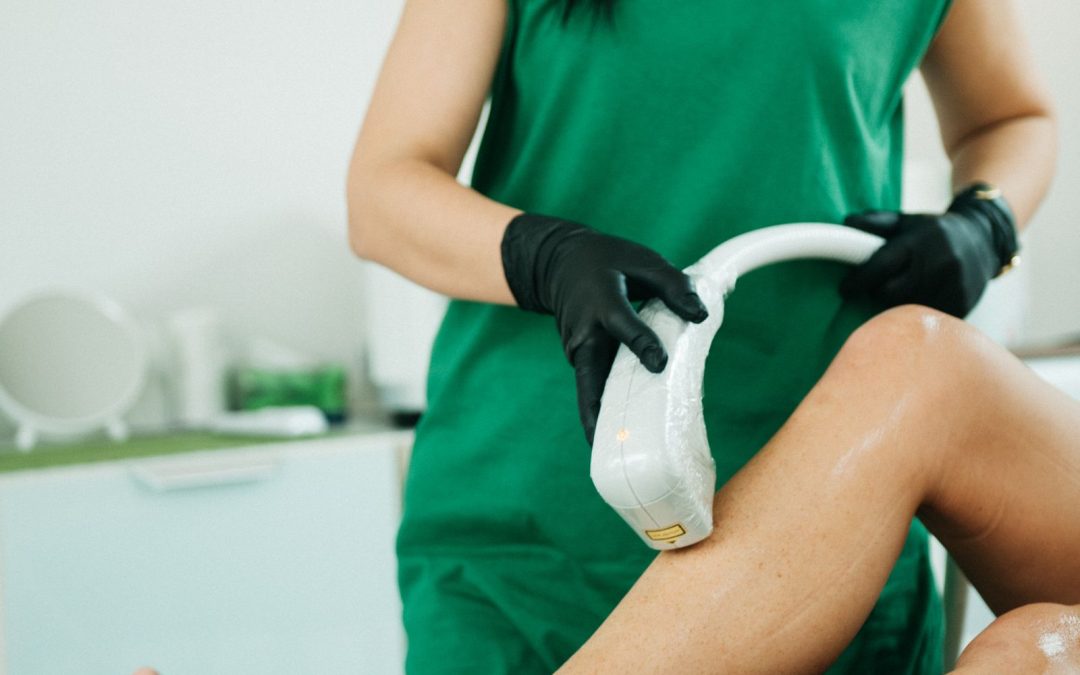
Laser treatments may help with pigmentation, acne marks, redness, pores, scars and skin rejuvenation depending on the type of device. Pigment lasers may target melanin, while fractional lasers may improve texture by stimulating collagen remodelling. However, laser is not automatically suitable for every pigmentation case.
For melasma-prone or darker skin types, aggressive settings can worsen pigmentation. A conservative, staged approach is often safer. Patients should avoid choosing treatment based only on “strongest laser” claims.
Microneedling and Collagen Induction
Microneedling creates controlled micro-injuries that stimulate skin repair and collagen production. It may help improve mild to moderate acne scars, pores and texture. It is often used as part of an acne scar treatment plan, sometimes combined with serums, radiofrequency or other collagen-supporting methods.
Multiple sessions are usually needed. Results develop gradually as collagen remodels over time.
Radiofrequency Microneedling
Radiofrequency microneedling combines microneedling with heat energy. It may be used for acne scars, pores, mild laxity and rough texture. The heat can stimulate collagen remodelling at deeper levels. Settings must be tailored to skin type to reduce the risk of burns, prolonged redness or pigmentation.
Subcision for Rolling Scars
Subcision is a procedure used for certain depressed rolling scars that are tethered under the skin. A doctor releases fibrous bands beneath the scar to allow the skin to lift more evenly. It may be combined with fillers, collagen stimulators, lasers or microneedling.
Subcision is not for every scar type. Ice pick scars, for example, may need different approaches such as TCA CROSS or other targeted methods.
TCA CROSS for Ice Pick Scars
TCA CROSS is a technique used for selected deep ice pick scars. A high-strength chemical is applied precisely inside the scar to stimulate remodelling. It must be done carefully because inappropriate use can cause burns, widening of scars or pigmentation.
Skin Boosters
Patients searching for skin booster Kuala Lumpur often want hydrated, glowing and smoother-looking skin. Skin boosters usually involve microinjections of hydrating or skin-quality-improving substances, depending on the product used. They may help with dryness, fine texture, dullness and overall skin quality, but they are not a direct replacement for acne scar procedures.
Skin boosters can be useful in a journey for dull skin, especially when the skin looks tired, dehydrated or crepey. However, patients with active acne or infection may need to control those issues first.
Injectable Fillers for Selected Acne Scars
Some depressed scars may benefit from filler, especially if there is volume loss or tethering. Fillers can lift selected scars temporarily and may be combined with subcision. Results are not permanent and depend on scar type, filler type and technique.
Treatment for Active Acne
If acne is still active, controlling acne should be the priority. Otherwise, new marks and scars may continue to appear. Acne treatment may include topical medication, oral medication, hormonal treatment, lifestyle adjustment, skincare changes or procedure-based support. Aesthetic treatments for scars should usually be planned after active inflammation is under better control.
Benefits of a Planned Skin Treatment Journey
A planned journey gives better structure and safer decision-making. Instead of randomly trying one treatment after another, patients can follow a step-by-step approach. This helps reduce unnecessary irritation, manage expectations, and combine treatments in the right order.
Benefits may include clearer acne control, reduced appearance of acne marks, more even skin tone, smoother texture, brighter complexion, improved hydration, better confidence with or without makeup, and a more realistic understanding of maintenance.
A good plan also helps patients budget better. Acne scars and pigmentation usually require multiple sessions, so planning ahead prevents disappointment when one session does not fully solve the concern.
Limitations and Realistic Expectations
Acne Scars Usually Improve, Not Disappear Completely
One of the most important messages is that acne scars can improve significantly, but complete removal is not always realistic. Improvement depends on scar type, depth, age of scars, skin type, treatment method, number of sessions and healing response.
Some patients may see improvement after a few sessions, while deeper scars may require a longer combination approach. Texture changes take time because collagen remodelling is gradual.
Pigmentation May Recur
Pigmentation can fade, but recurrence is possible. Melasma in particular is known for relapse, especially with sun exposure, heat, hormones or irritation. Maintenance skincare and sunscreen are essential.
Dull Skin Needs Maintenance
Dull skin can improve with hydration, exfoliation, boosters and lifestyle support, but results can fade if maintenance stops. Sleep, sun protection, skincare consistency and regular follow-up matter.
One Treatment May Not Address Everything
Laser may help pigmentation but not deep rolling scars. Skin boosters may improve glow but not ice pick scars. Peels may brighten skin but may not lift depressed scars. This is why combination planning is often needed.
Safety Considerations
Choose a Qualified Provider
Aesthetic treatments should be performed or supervised by qualified healthcare professionals, especially procedures involving lasers, needles, injections or strong peels. Patients should avoid unregulated products, informal home procedures, or treatments promising guaranteed permanent results.
Avoid Over-Treatment
Doing too many procedures too close together may damage the skin barrier and increase pigmentation risk. More aggressive treatment is not always better. Safe progress is more important than fast but risky results.
Inform Your Doctor About Medical History
Patients should inform their doctor about pregnancy, breastfeeding, medication, isotretinoin use, keloid tendency, cold sores, allergies, autoimmune disease, recent sunburn, previous laser complications or skin sensitivity.
Be Careful with Whitening Products
Some unregulated whitening products may contain unsafe ingredients. Patients should avoid products without proper labelling or those that cause rapid peeling, burning or extreme lightening.
Recovery and Downtime
Downtime depends on treatment type. Mild peels may cause light dryness or flaking. Lasers may cause redness, swelling or temporary darkening before improvement. Microneedling may cause redness for a few days. Subcision may cause bruising or swelling. Skin boosters may cause small injection marks, bumps or mild bruising that usually settles.
After treatment, patients should follow aftercare instructions carefully. This may include avoiding strong actives temporarily, applying moisturiser, using sunscreen, avoiding heat exposure, avoiding picking or scrubbing, and delaying makeup when advised.
Prevention and Maintenance
Control Acne Early
Preventing new acne is one of the best ways to prevent new scars and marks. Early acne treatment reduces inflammation and lowers the chance of long-term skin changes.
Do Not Pick Pimples
Picking increases trauma and inflammation. It may turn a small pimple into a long-lasting dark mark or scar.
Use Sunscreen Daily
Sunscreen is a long-term investment in pigmentation control and skin ageing prevention. It is especially important after peels, lasers, microneedling and brightening treatments.
Keep Skincare Simple and Consistent
A simple routine done consistently is usually better than using too many products. Cleanser, moisturiser, sunscreen and selected active ingredients can be enough for many patients.
Schedule Maintenance Reviews
Maintenance may include periodic peels, laser toning, skin boosters, acne control visits or skincare adjustments. Skin changes with age, lifestyle and hormones, so treatment plans should be reviewed.
Image credit: Unsplash
Example of a Step-by-Step Skin Treatment Journey
Phase 1: Assessment and Stabilisation
The first phase focuses on diagnosis, skin barrier repair, acne control and sunscreen habits. This may take two to six weeks depending on the skin condition. Patients with active acne, irritation or sensitivity should not rush into aggressive procedures.
Phase 2: Pigmentation and Acne Mark Control
Once the skin is calmer, treatment may focus on pigmentation, acne marks and uneven tone. Options may include brightening skincare, chemical peels, laser toning or other pigment-focused procedures. The goal is gradual improvement without triggering rebound pigmentation.
Phase 3: Texture and Acne Scar Improvement
After active acne and pigmentation are better controlled, acne scar procedures can be planned. This may include microneedling, fractional laser, radiofrequency microneedling, subcision, TCA CROSS or fillers depending on scar type.
Phase 4: Glow, Hydration and Skin Quality
When the main concerns are more stable, skin boosters or rejuvenation treatments may be added to improve hydration, smoothness and radiance. This phase is especially relevant for patients searching for dull skin treatment KL.
Phase 5: Maintenance
Maintenance protects the results. It may include skincare, sunscreen, occasional procedures and follow-up reviews. The plan should be adjusted based on skin response.
FAQs
1. How do I know whether I need acne scar treatment or pigmentation treatment?
If your skin has dents, pits or uneven surface, you may need acne scar treatment. If the skin is smooth but has brown, red or dark spots, pigmentation or acne mark treatment may be more suitable. Many patients have both, so consultation is recommended.
2. Can I treat acne scars, pigmentation and dull skin at the same time?
Sometimes yes, but not always in the same session. A doctor may design a staged plan where acne and inflammation are controlled first, followed by pigmentation treatment, then scar and texture procedures.
3. Is laser the best treatment for acne scars?
Laser can be helpful for selected acne scars, but it is not always the best first treatment. Rolling scars may need subcision, ice pick scars may need targeted methods, and some patients may benefit from microneedling or radiofrequency microneedling.
4. How many sessions do I need?
It depends on the condition. Dullness or mild pigmentation may need fewer sessions, while acne scars often require multiple sessions over several months. A realistic plan is usually discussed after skin assessment.
5. Will pigmentation treatment make my skin permanently fairer?
The aim of pigmentation treatment is usually to reduce uneven dark patches and restore a more even tone, not to make the skin unnaturally fair. Ethical treatment should focus on healthy skin, not unrealistic whitening.
6. Can acne marks fade naturally?
Some acne marks can fade naturally, but it may take months or longer. Sun exposure and repeated acne can delay fading. Treatment may help speed up improvement.
7. Is skin booster good for acne scars?
Skin boosters may improve hydration, glow and fine texture, but they are not usually the main treatment for deep acne scars. They may be part of a combination plan.
8. Can I do treatment if I still have active acne?
Some treatments can be done for active acne, but scar resurfacing is usually better after acne is controlled. Treating scars while acne is still active may lead to new scars forming.
9. Is acne scar treatment painful?
Discomfort depends on the procedure. Numbing cream is commonly used for microneedling, laser or subcision. Patients may feel pressure, heat or prickling, but pain control options are usually discussed before treatment.
10. Is there downtime?
Yes, some treatments have downtime. Mild peels may have minimal downtime, while laser, microneedling or subcision may cause redness, swelling, bruising or peeling. Your doctor should explain expected recovery before the procedure.
11. Can darker Asian skin tones do laser?
Yes, but treatment settings must be chosen carefully. Darker skin tones may be more prone to post-inflammatory hyperpigmentation, so conservative settings and proper aftercare are important.
12. What should I avoid after treatment?
You may need to avoid direct sun, heat, sauna, strong exfoliants, retinoids, scrubs, picking and certain makeup products for a short period. Follow your clinic’s aftercare instructions.
13. How soon can I see results?
Hydration and glow may improve earlier, while pigmentation and acne scars usually take longer. Collagen-based improvement may continue for weeks to months after treatment.
14. Is an aesthetic clinic Kuala Lumpur suitable for these concerns?
A doctor-led aesthetic clinic Kuala Lumpur can assess acne scars, pigmentation, dull skin and skin texture before recommending suitable treatment options. The key is choosing a provider that gives realistic advice and avoids overpromising.
Conclusion
A successful skin treatment journey for acne scars pigmentation and dull skin begins with proper diagnosis, not guesswork. Acne marks, acne scars, pigmentation and dullness may overlap, but they require different strategies. Some patients need acne control first. Some need pigmentation calming and sunscreen discipline. Others need collagen-stimulating procedures for scars and texture. Many patients need a staged combination plan.
For Malaysian readers in Kuala Lumpur, the safest and most effective approach is to start with a personalised consultation. A well-planned journey can help improve uneven tone, acne marks, rough texture, dullness and overall skin quality over time, while reducing the risk of irritation or unrealistic expectations.
Millennium Clinic Kuala Lumpur is a doctor-led aesthetic provider offering consultation and personalised treatment planning for patients concerned about acne scars, pigmentation, dull skin and uneven texture. With proper assessment, realistic guidance and a tailored treatment plan, patients can take a more confident and medically responsible step toward healthier-looking skin.
Image credit: Unsplash

References
- Mayo Clinic. Acne – Symptoms and causes.
https://www.mayoclinic.org/diseases-conditions/acne/symptoms-causes/syc-20368047 - Mayo Clinic. Acne scars: What’s the best treatment?
https://www.mayoclinic.org/diseases-conditions/acne/expert-answers/acne-scars/faq-20058101 - MedlinePlus. Skin Pigmentation Disorders.
https://medlineplus.gov/skinpigmentationdisorders.html - MedlinePlus. Melasma.
https://medlineplus.gov/ency/article/000836.htm - MedlinePlus. Aging Skin and Sunlight.
https://medlineplus.gov/skinaging.html - NCBI Bookshelf. Postinflammatory Hyperpigmentation.
https://www.ncbi.nlm.nih.gov/books/NBK559150/ - National Library of Medicine / PMC. Acne Scars: Pathogenesis, Classification and Treatment.
https://pmc.ncbi.nlm.nih.gov/articles/PMC2958495/ - American Academy of Dermatology. Acne: Diagnosis and Treatment.
https://www.aad.org/public/diseases/acne/derm-treat/treat


0 Comments