
Introduction
A less defined jawline may result from muscle activity, skin laxity, fat distribution, bone structure or a combination of factors. At Millennium Clinic Kuala Lumpur, a doctor-led consultation can determine whether botulinum toxin treatment is medically appropriate and whether the intended result suits the patient’s anatomy.
Botox is a brand name for onabotulinumtoxinA. Other botulinum toxin type A products exist, and their units are not interchangeable. This article uses “Botox” because it is a familiar patient search term while discussing botulinum toxin treatment more broadly.
Key Takeaways
| Key Point | Summary |
|---|---|
| Can Botox define the jawline? | It may reduce selected downward-pulling muscle activity but cannot reshape bone or remove fat. |
| Is it the same as masseter Botox? | No. Jawline treatment may target platysma; masseter treatment targets chewing muscles. |
| When do results appear? | Early change begins within days and is assessed around two weeks. |
| Is it permanent? | No. |
| Is assessment important? | Yes, because several different concerns can blur the jawline. |

How Botulinum Toxin Works
Botulinum toxin temporarily reduces the release of acetylcholine at selected nerve endings. In a treated muscle, this decreases contraction. In sweat glands, it reduces the nerve signal that triggers sweating. The effect is temporary because nerve signalling gradually recovers.
Mayo Clinic describes Botox injections as temporarily preventing selected muscles from moving and notes medical uses including excessive sweating. Correct placement and dosing are essential because unwanted weakening can affect nearby muscles.
Understanding the Lower Face and Jawline
The platysma is a thin muscle extending from the upper chest and neck into the lower face. Selected fibres can pull downward on the jawline and mouth corners. Carefully placed toxin may reduce this downward pull in suitable patients. The masseter is a different, deeper chewing muscle near the jaw angle.
Loose skin, submental fat and limited chin projection will not be corrected solely by relaxing platysma. HIFU, fillers, weight management or surgery may be more appropriate for other anatomical causes.
What Treatment Can and Cannot Do
Treatment may soften prominent platysmal bands and reduce selected downward pull, creating a subtle improvement in lower-face balance.
It cannot remove fat, tighten substantial loose skin, lengthen the chin or create a surgical jaw lift.
Potential Benefits
- Subtle lower-face refinement
- Temporary reduction in downward muscle pull
- No surgical incision
- Short appointment
- Can be combined with other carefully selected treatments
Benefits vary. The aim is controlled improvement while preserving appropriate facial function or normal heat regulation in untreated areas.
Treatment Process
Consultation
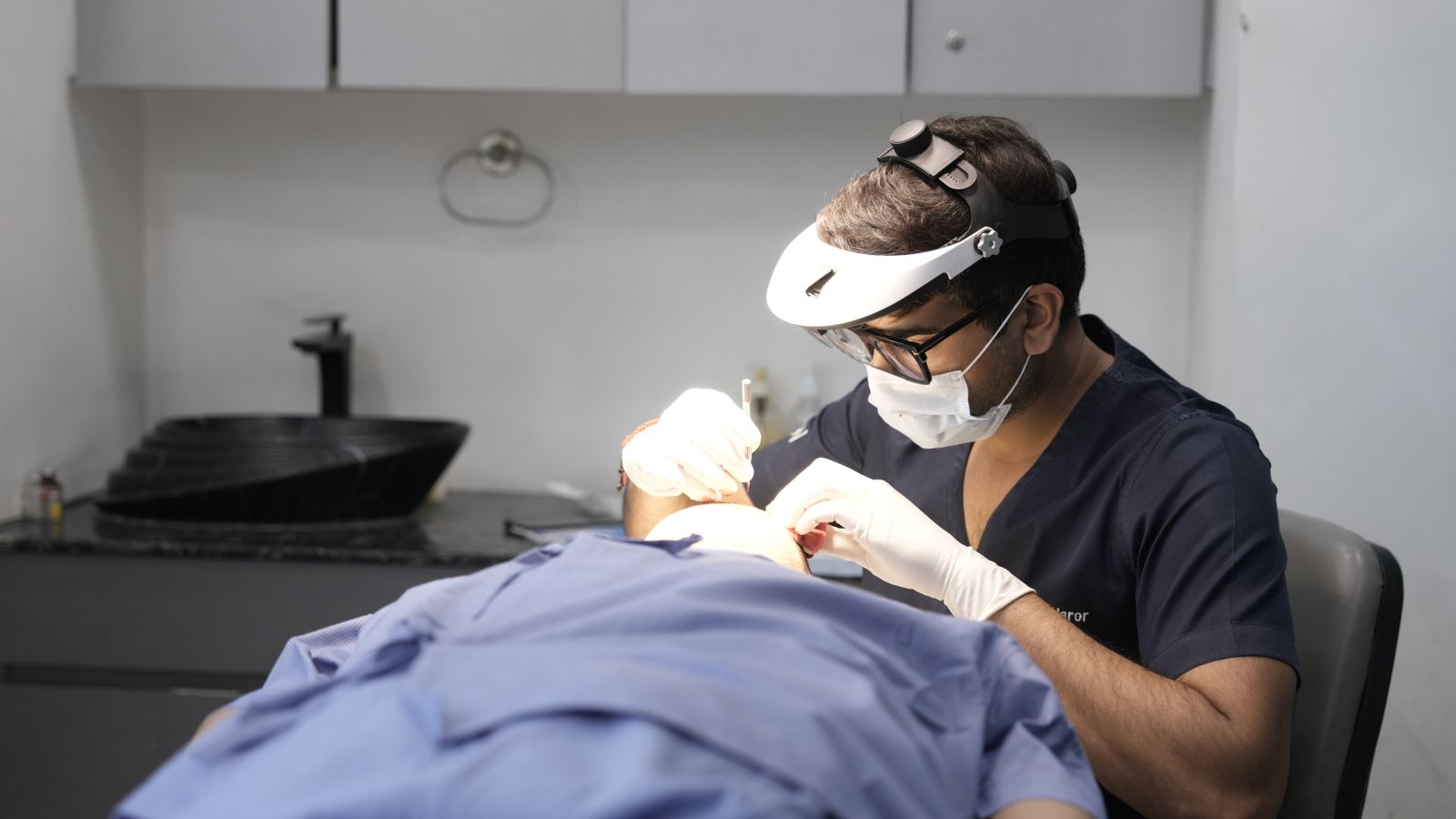
The practitioner reviews medical history, medicines, neuromuscular conditions, previous toxin treatment, facial asymmetry, allergies, pregnancy and breastfeeding. The target muscles or sweating area are examined before injection.
Injection
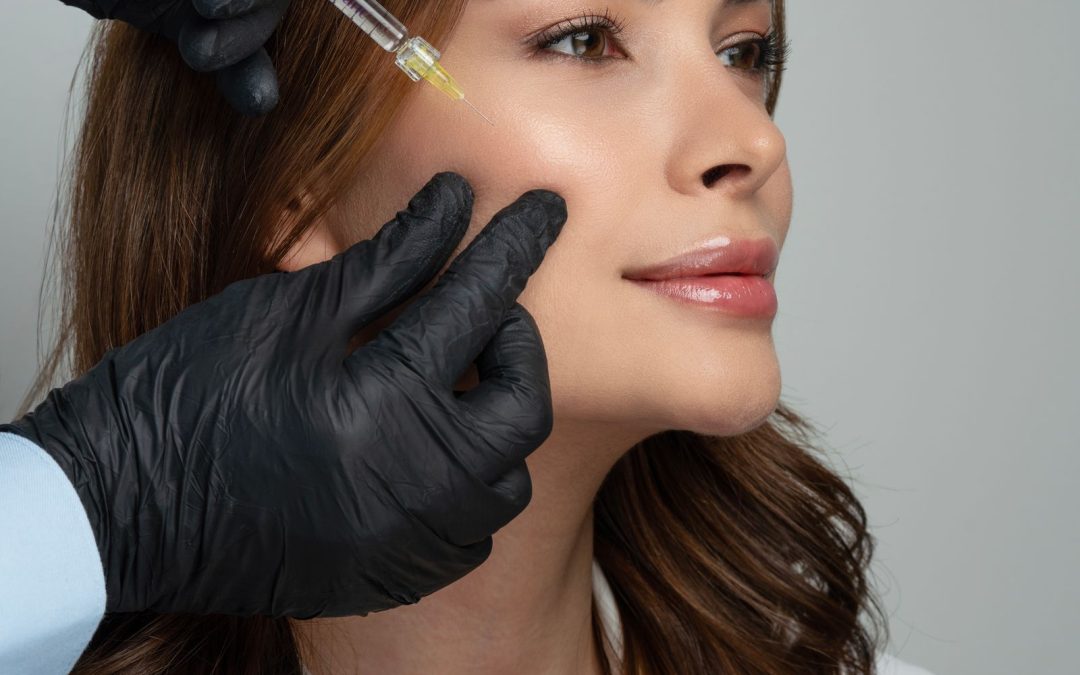
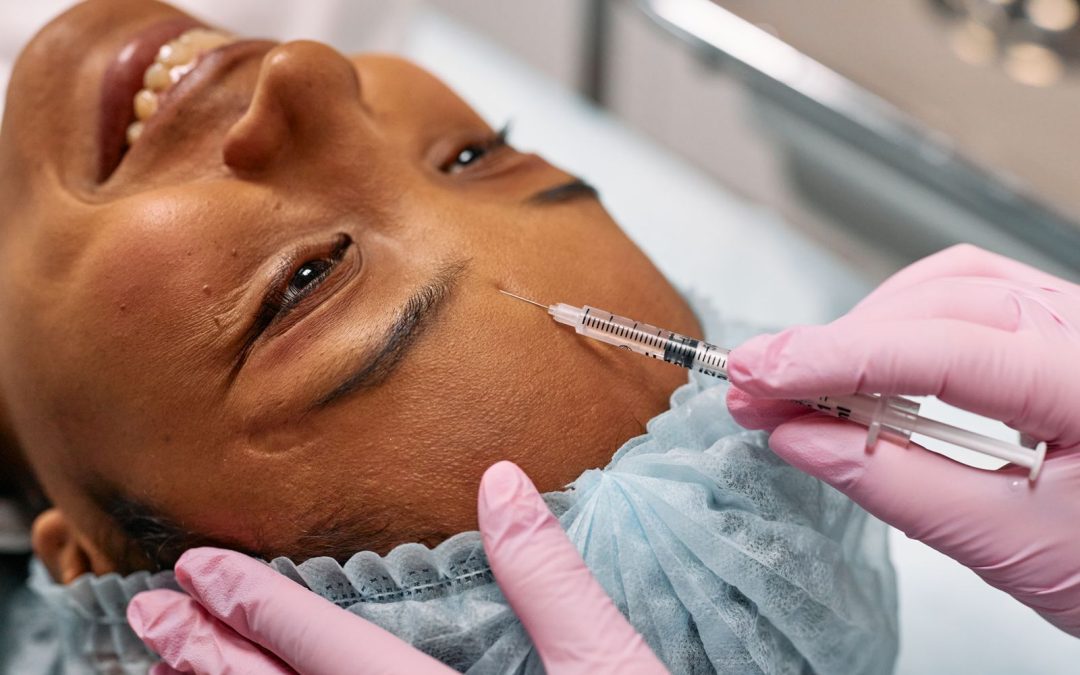
The patient activates the neck and lower-face muscles while the doctor marks relevant points. Small amounts are injected into selected superficial muscles. Conservative dosing helps protect smile and swallowing function.
Result timeline
Botulinum toxin does not work instantly. Early change often begins within several days, with a fuller effect commonly assessed around two weeks. Duration varies by product, dose, treatment area, metabolism and repeated use.
Illustrative Timeline
| Period | What May Happen |
|---|---|
| Treatment day | Small injections; temporary bumps or redness |
| Days 2–5 | Early reduction in targeted activity may begin |
| About 2 weeks | Clinical review of the settled effect |
| Following months | Effect gradually reduces as signalling returns |
| Maintenance | Repeat treatment only after reassessment |
Suitable Candidates
- Adults with visible platysmal pull
- Patients seeking subtle refinement
- People with realistic expectations
- Patients without relevant contraindications
Who May Not Be Suitable?
Treatment may be unsuitable or postponed during pregnancy or breastfeeding, with infection at an injection site, known allergy to an ingredient, certain neuromuscular disorders or medicines that may increase relevant risks. A doctor should evaluate each case.
Limitations and Realistic Expectations
- The effect is temporary.
- Individual response varies.
- Existing static lines may remain visible.
- Facial anatomy can limit the achievable change.
- Higher doses can increase unwanted weakness.
- Repeat treatment creates ongoing cost.
Incorrect placement may weaken muscles involved in smiling, speech or swallowing. Lower-face treatment requires detailed anatomical knowledge.
Safety Considerations
Common effects include injection-site pain, redness, swelling, bruising and headache. Depending on the area, temporary asymmetry, eyelid or eyebrow droop, altered smile, chewing fatigue or weakness can occur.
The FDA-approved Botox Cosmetic information includes treatment of adult glabellar lines and crow’s-feet lines, while cosmetic jawline or masseter slimming may be off-label depending on jurisdiction and product registration. Approved indications should be checked locally.
Rarely, toxin effects can spread beyond the injection area. Seek urgent medical attention for generalised weakness, vision problems, difficulty speaking, swallowing or breathing. Injectables should be provided by appropriately qualified medical professionals familiar with anatomy and complication management.

Recovery and Aftercare Checklist
- Do not rub or massage the injected area unless instructed.
- Avoid strenuous exercise for the period advised by the clinic.
- Avoid unnecessary pressure on treatment points shortly after injection.
- Follow instructions about makeup, skincare, heat and alcohol.
- Attend the scheduled review rather than requesting early additional units.
- Seek urgent advice for swallowing, breathing, speaking or visual problems.
How Dosing Is Personalised
Botulinum toxin dosing is not determined by age alone. Doctors consider muscle thickness, movement pattern, facial proportions, sex, previous response and the patient’s desired degree of movement. A person with strong muscles may need a different plan from someone with mild activity, but more units are not automatically better.
Units cannot be compared directly across different botulinum toxin brands. Each product has its own formulation, clinical evidence and dosing instructions. Patients should know the exact product being administered rather than accepting “Botox” as a generic description without clarification.
Conservative first treatment may be appropriate when anatomy is uncertain or the patient wants to preserve more expression. Additional toxin should not be placed too early because the initial effect may still be developing.
Factors That Affect Results
Response can vary with muscle size, dose, placement, metabolism and previous treatment. The same number of units can produce different effects in different people. Facial asymmetry also exists before treatment and may remain afterwards.
Smoking, sun exposure and loss of collagen influence the appearance of lines but do not necessarily change the muscle-blocking action itself. Static wrinkles may persist even when movement is reduced because the skin has already developed an established crease.
For hyperhidrosis, the size of the treated area and distribution of injections affect sweat reduction. For masseter treatment, visible slimming develops more slowly than reduction in clenching force because muscle bulk changes gradually.
Botulinum Toxin Compared with Other Treatments
| Treatment | Main Purpose | Important Difference |
|---|---|---|
| Botulinum toxin | Temporarily reduces selected nerve signalling | Targets muscle activity or sweat glands |
| Dermal filler | Provides physical volume and structural support | Does not primarily relax muscles |
| Skin booster | Supports hydration and skin quality | Cannot replace targeted muscle treatment |
| HIFU or RF | Energy-based tissue tightening or remodelling | Does not create the same neuromuscular effect |
| Laser or peel | Addresses surface texture or pigmentation | May complement but not replace muscle treatment |
| Surgery | Produces structural anatomical change | More invasive with different recovery and risks |
Can Botox Be Combined with Other Treatments?
Botulinum toxin may be included in a broader facial rejuvenation plan with fillers, skin boosters, HIFU, Sylfirm X, laser or skincare. Combination should be based on separate treatment goals. For example, toxin may soften dynamic movement while a skin-quality treatment addresses hydration.
Not every procedure should be performed during one appointment. Swelling from filler can make muscle landmarks harder to assess, and intensive energy procedures may have their own recovery requirements. Treatment sequence should be decided before injections begin.
Patients should disclose all recent and planned aesthetic procedures. A clinic should document the product, batch, dose, injection points and date so future treatment can be planned accurately.
Cost and Maintenance Considerations
Cost varies with the product, number of units, anatomical area, muscle strength and clinician expertise. A low advertised price may exclude consultation, follow-up or the number of units needed for the intended treatment.
Because the effect is temporary, patients should consider the long-term cost of repeat treatment. Maintenance should occur after muscle or sweat activity returns sufficiently to justify another procedure, not simply because a fixed calendar date has arrived.
Repeated treatment should remain medically appropriate. If anatomy, health, symptoms or goals change, the plan should be reassessed rather than repeated automatically.
Questions to Ask the Practitioner
- What exact botulinum toxin product will be used?
- Is this indication approved locally or off-label?
- Which muscles or sweating areas will be treated?
- What result is realistic for my anatomy?
- What side effects are specific to this area?
- When should the result be reviewed?
- What symptoms require urgent medical attention?
- What alternatives should I consider?
Preparing for the Appointment
Provide a complete list of prescription medicines, supplements and previous botulinum toxin treatments. Tell the practitioner about neurological or muscular disease, swallowing difficulty, eye problems, facial surgery, dental procedures and previous unexpected weakness after an injection.
The practitioner may advise changes to selected non-essential medicines or supplements that increase bruising, but patients should never stop prescribed anticoagulants or other important medicine without advice from the prescribing clinician. Arrive without infection or significant irritation at the proposed injection sites.
Take photographs before treatment if the clinic has not already done so. Neutral, frowning, smiling and other area-specific expressions can document baseline movement. For hyperhidrosis, symptom history and previous treatments are more useful than a cosmetic photograph alone.
Natural-Looking Treatment and Ethical Practice
A natural result does not necessarily mean eliminating all movement. Facial expression supports communication, and some movement may be desirable. The treatment goal should be agreed before injection, particularly when the patient wants subtle softening rather than maximum immobilisation.
Ethical treatment includes explaining off-label use, alternatives, likely duration and area-specific risks. Patients should not be pressured into treating unrelated areas or purchasing a package before a medical assessment.
When to Seek Medical Review
Small bumps, tenderness and bruising are usually temporary. Contact the clinic for unexpected asymmetry, persistent eye irritation, significant chewing difficulty or weakness that interferes with daily activities. Seek urgent care for breathing difficulty, trouble swallowing, speech changes, widespread weakness or significant vision symptoms.
Planning Treatment Around Daily Life
Although there is usually little visible downtime, the biological effect develops over several days. Avoid arranging treatment immediately before a wedding, important presentation, long-distance flight or another event where bruising or an unexpected response would be difficult to manage. Allow time for the planned review before judging the outcome.
People whose work depends on precise facial movement, sustained chewing, voice projection or physical exertion should discuss those demands during consultation. This may influence dose, injection pattern or whether treatment is appropriate. Patients seeking hyperhidrosis treatment should describe how sweating affects work, footwear, clothing, sports and sleep so the treated area reflects the functional problem.
Keeping Expectations Proportionate
Botulinum toxin can modify a specific muscle or sweat-gland signal; it cannot correct every feature in the same region. A jawline may still be influenced by fat, bone and skin laxity. Crow’s feet may retain static creases. Frown lines may remain visible at rest, and masseter treatment cannot resolve every cause of jaw pain.
A good outcome is therefore defined in advance: softer movement, reduced clenching, a modest contour change or less disruptive sweating. Clear goals make follow-up more useful and reduce pressure to add units simply because a completely different concern remains.
Frequently Asked Questions
Can Botox sharpen my jawline?
It may provide subtle improvement when muscle pull is the cause.
Is it a facelift?
No.
Is it masseter Botox?
No, the target muscles differ.
How soon will I see results?
Usually within days, with review near two weeks.
How long does it last?
Several months for many patients, but duration varies.
Will it remove a double chin?
No.
Can it treat loose skin?
Not substantially.
Will my smile change?
Unwanted asymmetry is possible if nearby muscles are affected.
Is it painful?
Most injections cause only brief discomfort.
Can it be combined with HIFU?
Potentially, with individual sequencing.
Can men have treatment?
Yes, based on anatomy and goals.
How many units?
There is no universal dose.
Conclusion
Botox may subtly refine the jawline when downward muscle activity is an important contributor. It is not a substitute for fat reduction, structural contouring or surgery.
Millennium Clinic Kuala Lumpur offers doctor-led assessment and personalised botulinum toxin planning based on anatomy, medical suitability and realistic goals.

0 Comments