
Introduction
Sculptra may support gradual correction of selected facial volume concerns, but the temples, cheeks and lower face differ in anatomy and risk. At Millennium Clinic Kuala Lumpur, the discussion of Sculptra for facial volume loss starts with the patient’s anatomy, medical background and intended outcome, so the treatment name does not substitute for diagnosis.
The product and injection technique should be chosen by facial zone, tissue quality and indication. Sculptra is not an instant sculpting gel and is not suitable for every delicate or highly mobile area. Even when Sculptra for facial volume loss is suitable, severity, healing and biological response differ, which prevents a guaranteed outcome.
Key Takeaways
| Key Point | Summary |
|---|---|
| What is Sculptra? | An injectable poly-L-lactic acid product associated with gradual tissue response. |
| Are all facial areas treated the same? | No. Anatomy, depth and risk vary. |
| Are results immediate? | Early fullness is partly fluid and swelling; longer-term change is gradual. |
| Can it replace every filler? | No. Treatment properties and objectives differ. |
| Are complications possible? | Yes, including nodules, inflammation, infection and vascular injury. |

How Facial Volume Changes with Age
Ageing affects bone, fat compartments, ligaments and skin. Temple hollowing, flatter cheeks and lower-face heaviness do not arise from one simple loss of collagen. Weight change and genetics also influence the pattern.
A good plan identifies where support is missing and where adding volume could worsen heaviness. Treating the whole face with one standard number of vials is not automatically appropriate.
How Sculptra Works
Sculptra is an injectable poly-L-lactic acid product supplied as particles that are reconstituted before use; It is often called a collagen stimulator because improvement is intended to develop as tissue responds over time; It should not be described as identical to a hyaluronic-acid gel that provides mainly immediate physical volume; For Sculptra for facial volume loss, this mechanism must be interpreted alongside the article-specific issue: The product and injection technique should be chosen by facial zone, tissue quality and indication. Sculptra is not an instant sculpting gel and is not suitable for every delicate or highly mobile area.
The FDA describes Sculptra as a PLLA gel implant or dermal filler injected into selected facial tissue; Approval applies to specified uses and populations; it does not automatically cover every facial zone, body area or combination protocol advertised online; That evidence is relevant to area-by-area sculptra planning, but it does not predict an individual patient’s response.
A 2024 systematic review of PLLA in facial aesthetics found reported improvements in facial lipoatrophy and related measures but rated the overall evidence as low quality because several trials had substantial risk of bias; This supports balanced expectations rather than claims of predictable transformation; The practical meaning for Sculptra for facial volume loss is therefore narrower than a general marketing claim about the treatment.
The FDA advises that filler injection is a medical procedure and that patients discuss product, injection site and risks with an appropriately trained provider; Serious filler complications can include accidental intravascular injection, tissue injury and visual or neurological symptoms, although these are uncommon; This point supports a diagnosis-led plan for Sculptra for facial volume loss, not a standard package for every patient.
Area-by-Area Sculptra Planning
Temples
Temple anatomy includes important vessels and variable tissue depth. Product choice and technique require advanced anatomical knowledge; not every hollow temple is suitable for PLLA.
Cheeks
The cheek is included in FDA-approved Sculptra labelling for specified fine lines and wrinkles, but the treating clinician must still assess depth, contour and individual suitability.
Lower face
Volume loss may coexist with heaviness and laxity. Adding product without understanding support and movement can produce an unwanted result. Some mobile or delicate zones may be avoided.
Who May Benefit?
Selected adults with gradual volume loss and realistic expectations may be considered after full-face assessment.
- Patients with diffuse facial volume loss
- People seeking gradual rather than immediate change
- Patients able to complete staged sessions
- Those without active infection or inflammation
- Patients willing to follow massage and review instructions
Who May Need a Different Approach?
Active acne or infection, severe allergy, pregnancy, breastfeeding, bleeding disorders, immune concerns or a strong tendency to nodules or abnormal scars may affect suitability. Some anatomical zones may need another product or no injection.
Professional Assessment in Kuala Lumpur
A useful consultation turns the search term “Sculptra for facial volume loss” into a clinical question: what is the target, how can it be measured and what alternative explanation must be excluded? The clinician should record the feature described under how facial volume changes with age before discussing a course of Sculptra.
When scheduling Sculptra for facial volume loss, current health, prescribed and non-prescribed medicines, earlier procedures and upcoming events all matter; Kuala Lumpur’s humid climate can make sweat and sun avoidance harder, so instructions should be workable rather than generic.
Treatment Process
Before treatment
The doctor should assess the face upright, review old photographs and mark vascular and structural landmarks. Recent dental work, vaccination, infection and previous filler should be disclosed.
During treatment
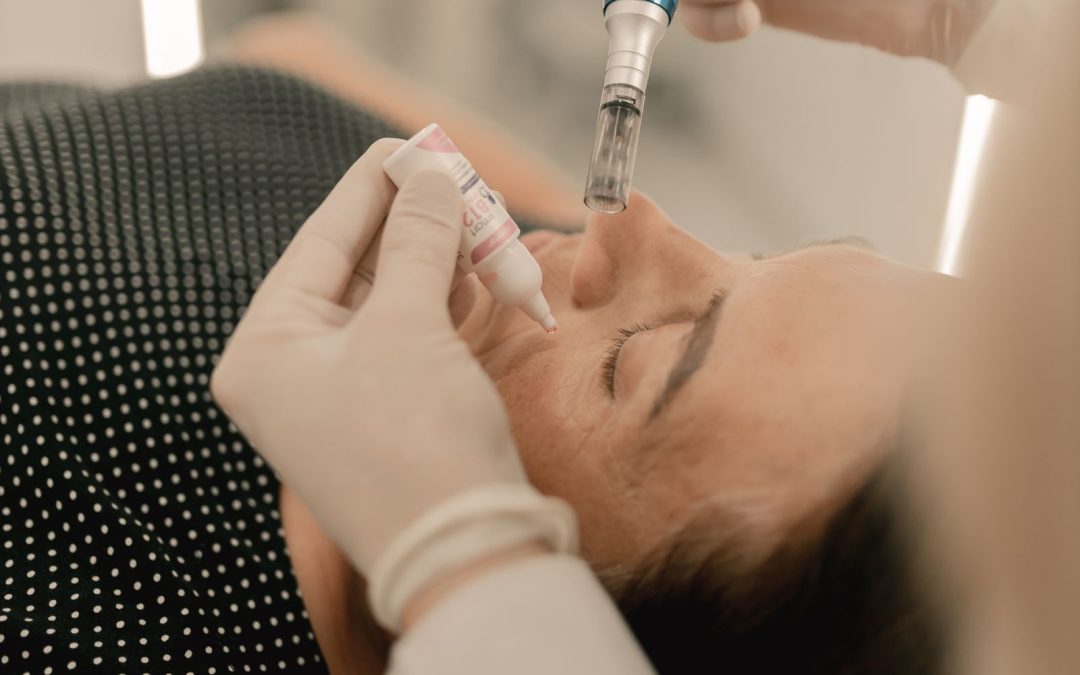
Reconstituted product is placed in selected tissue planes with a needle or cannula according to technique and labelling. Treatment usually aims for distributed gradual correction rather than focal instant shaping.
After treatment
Swelling and injected fluid can create temporary fullness. Massage instructions must come from the treating clinician, and urgent symptoms should never be massaged away.
Expected Treatment Course
| Stage | What may be seen |
|---|---|
| Immediately | Fullness from fluid and swelling |
| First days | Swelling and tenderness settle |
| Following weeks | Early fullness may reduce |
| Following months | Gradual tissue response is assessed |
| Review | Decide whether another session is appropriate |
No package can determine the correct schedule for Sculptra for facial volume loss in advance; Review after the relevant biological response is more important than completing a prepaid number of visits.
Potential Benefits
- Gradual facial volume support
- Full-face planning rather than isolated crease filling
- Potential improvement in selected skin quality measures
- Staged and reviewable course
- Can complement other appropriately selected treatments
The list is a set of potential gains, not a guarantee for Sculptra for facial volume loss; A fair review uses the original baseline, a consistent setting and enough time for the relevant response.
Limitations and Realistic Expectations
Sculptra does not give the same immediate precision as a structural hyaluronic-acid gel. It is difficult to remove and should not be injected simply because an area looks hollow in one photograph.
Comparison with Other Options
| Option | Main pattern | Limitation |
|---|---|---|
| Sculptra PLLA | Gradual distributed response | Not readily reversible |
| Hyaluronic-acid filler | Immediate physical volume | Product- and area-specific risks |
| Fat transfer | Surgical autologous volume | Procedure and recovery are more involved |
| HIFU | Tightening, not volume replacement | May be unsuitable in volume-deficient zones |
| Surgery | Structural repositioning | More invasive |
Combination-Treatment Considerations
Botox, HIFU or skin-quality procedures may be considered for separate concerns, but sequence should preserve the ability to assess volume and minimise cumulative inflammation.
Combination planning for Sculptra for facial volume loss should specify sequence, interval and the outcome assigned to each treatment; Separating procedures can protect recovery time and improve interpretation of the result.
Safety Considerations
Common reactions include swelling, redness, tenderness, bruising and temporary firmness; Papules, nodules, delayed inflammation, infection and granulomatous reactions can occur; Accidental vascular injection is an uncommon but serious risk for facial injectables and may cause skin injury, visual loss or stroke-like symptoms; In this article’s context, the clinician must also consider: Unusual pain, blanching, grey or blue skin, visual change, weakness or severe headache during or after injection requires urgent medical assessment for possible vascular compromise.
Active infection or inflammation at the treatment site, pregnancy, breastfeeding, bleeding disorders, severe allergies, immune concerns and a tendency to keloid or hypertrophic scarring require individual assessment; Some facial zones may be unsuitable for a particular product or technique; Risk discussion for Sculptra for facial volume loss should be tailored to the anatomical area and the patient’s history.
Unusual pain, blanching, grey or blue skin, visual change, weakness or severe headache during or after injection requires urgent medical assessment for possible vascular compromise.

Recovery and Aftercare
- Follow the exact massage instructions given for the product and technique; protocols should not be copied blindly from social media. Apply this advice to the planned Sculptra for facial volume loss protocol.
- Avoid pressing or manipulating areas beyond the instructed massage. Confirm the exact timing for Sculptra for facial volume loss with the treating clinician.
- Use gentle skincare while injection sites settle. Report any unexpected change during the Sculptra for facial volume loss course.
- Contact the clinic for increasing pain, blanching, unusual discolouration, visual symptoms, fever or progressive swelling. Individual instructions for Sculptra for facial volume loss may be more specific.
- Attend planned reviews before deciding whether another vial or session is appropriate. Keep this point in the written aftercare plan for Sculptra for facial volume loss.
Follow the exact massage protocol provided. A generic internet rule should not override the product, technique or clinician’s instructions.
How to Review Progress Objectively
Repeat photographs with the same camera, distance, lighting and position; Compare the specific endpoint agreed before Sculptra, not a general impression after flattering lighting or temporary swelling; Early redness can exaggerate texture, while swelling can briefly hide depressions or create fullness; For Sculptra for facial volume loss, comparison should focus on the specific outcome described in this article.
For Sculptra for facial volume loss, meaningful improvement may be partial; The review should record what changed, what remained and whether the difference is valuable enough to justify further treatment; Perfect symmetry, complete removal and permanent prevention of ageing are rarely realistic endpoints; The review should also record the article-specific limitation: Sculptra does not give the same immediate precision as a structural hyaluronic-acid gel. It is difficult to remove and should not be injected simply because an area looks hollow in one photograph.
Questions to Ask Before Treatment
- Which facial areas are being treated and why?
- Is this use covered by local product labelling?
- What tissue plane will be used?
- How many staged sessions are anticipated?
- What symptoms suggest vascular compromise?
- How will nodules be assessed and managed?
Maintenance and Long-Term Planning
Future treatment should be based on a new full-face assessment. Collagen change, ageing and previous product can alter what is appropriate later.
How to Decide Whether This Treatment Fits Your Goal
Begin with the problem, not the procedure; Someone searching for “Sculptra for facial volume loss” should first identify the visible change that matters, where it occurs and how it affects daily life; The clinician can then decide whether Sculptra acts on the relevant tissue; If the proposed mechanism does not match the concern, a familiar treatment name is not a good reason to proceed; For Sculptra for facial volume loss, the decision should remain tied to how facial volume changes with age.
Convert the goal into something observable; Depending on the concern, this may mean fewer coarse hairs, softer movement, improved contour, less obvious texture or a gradual change in facial support; Baseline photographs should be taken before temporary swelling or redness can distort comparison; The plan should also state what treatment is unlikely to change; The most relevant endpoint here is the one defined under area-by-area sculptra planning.
Evidence, device and consent
Ask whether the evidence relates to the exact product, platform, anatomical area and indication being offered; Findings from one device or facial zone cannot always be transferred to another; Approved uses, off-label uses and emerging evidence should be described separately, with alternatives and the option of no treatment; This keeps the plan centred on Sculptra for facial volume loss instead of a generic treatment package.
Review and stopping rules
Agree when progress will be reviewed and what would justify pausing; Treatment should not continue automatically when improvement has plateaued, adverse effects are accumulating or the original diagnosis appears incorrect; A responsible plan includes total-course expectations, likely maintenance and a route for urgent review; A review of Sculptra for facial volume loss should revisit the original concern described in this article before another session is booked.
- Who will assess and perform the treatment? Apply this advice to the planned Sculptra for facial volume loss protocol.
- What exact device or product will be used? Confirm the exact timing for Sculptra for facial volume loss with the treating clinician.
- How will progress be photographed or measured? Report any unexpected change during the Sculptra for facial volume loss course.
- What downtime and uncommon complications are relevant? Individual instructions for Sculptra for facial volume loss may be more specific.
- When would the clinician recommend stopping or changing course? Keep this point in the written aftercare plan for Sculptra for facial volume loss.
When to Delay or Reconsider Treatment
Active infection, significant inflammation, sunburn, open wounds or another problem affecting healing should be assessed before proceeding; New medicine, pregnancy, breastfeeding, recent surgery or another aesthetic procedure can also alter timing; Repeating a treatment despite worsening pain, spreading redness, blistering, discharge or impaired function is unsafe; contact the clinic promptly; Timing for Sculptra for facial volume loss should account for the recovery and biological response described above.
Planning Around Work and Kuala Lumpur Conditions
Minimal downtime does not mean no visible recovery; Leave a buffer before weddings, important meetings or travel in case bruising, tenderness or swelling lasts longer than average; Kuala Lumpur’s heat, humidity and ultraviolet exposure make sunscreen, sweat management and realistic aftercare especially important; This is especially relevant when the patient’s goal concerns how facial volume changes with age.
Related Treatment Information
For wider context around Sculptra for facial volume loss, patients can read Millennium Clinic’s Sculptra treatment in Malaysia and Sculptra safety information for Malaysian patients. The linked pages cover the broader treatment category, while this article retains ownership of the narrower question about area-by-area sculptra planning.
Frequently Asked Questions
Is Sculptra a filler?
It is regulated as an injectable filler/implant containing PLLA, but its result pattern differs from HA gel.
Can it be used in temples?
Potentially in selected patients by an experienced injector; anatomy is high risk.
Can it be used in cheeks?
Cheek indications exist, subject to labelling and assessment.
Can it sharpen the jawline immediately?
It is not an instant contouring gel.
How many vials are needed?
There is no universal number.
When do results appear?
Gradually over weeks to months.
Can Sculptra be dissolved?
It is not readily dissolved like hyaluronic-acid filler.
Can nodules form?
Yes, although technique and aftercare influence risk.
Can it be combined with Botox?
Potentially, with planned sequencing.
Is swelling the final result?
No.
Conclusion
Sculptra planning should follow facial anatomy and the pattern of volume loss. Temples, cheeks and the lower face cannot be treated as interchangeable spaces, and gradual change must be separated from temporary injection swelling.
Patients seeking advice about Sculptra for facial volume loss can consult Millennium Clinic Kuala Lumpur for a doctor-led assessment and a personalised plan that includes alternatives and follow-up.


0 Comments