
Introduction
Laser hair removal may reduce coarse unwanted hair in patients with polycystic ovary syndrome, but it does not treat the hormonal condition that drives new growth. At Millennium Clinic Kuala Lumpur, the discussion of laser hair removal for PCOS starts with the patient’s anatomy, medical background and intended outcome, so the treatment name does not substitute for diagnosis.
Patients with PCOS can achieve meaningful hair reduction, yet they may need a longer course or ongoing maintenance because androgen-related stimulation can activate new follicles over time. Individual outcomes from laser hair removal for PCOS depend on diagnosis, anatomy, technique and follow-through; a standard result cannot be promised.
Key Takeaways
| Key Point | Summary |
|---|---|
| Can laser help PCOS hair? | It may reduce existing dark coarse hair. |
| Does it treat PCOS? | No. Hormonal and metabolic assessment remains separate. |
| Can hair return? | Yes, especially when the hormonal driver remains active. |
| Is maintenance common? | It may be more important for hormonally influenced facial areas. |
| Should symptoms be assessed? | Yes, especially when hair growth is new or accompanied by other changes. |
Why PCOS Can Cause Unwanted Hair
PCOS is associated with androgen excess or increased follicular sensitivity in many, but not all, patients. Coarse terminal hair may develop on the chin, upper lip, jawline, chest or abdomen. Acne, irregular periods, fertility concerns, scalp hair thinning or metabolic features may also occur.
Sudden rapidly progressive hair growth, deepening voice, new muscle changes or other signs of marked androgen excess require medical assessment. Cosmetic treatment should not delay investigation when symptoms are unusual.
How Laser Hair Removal Works
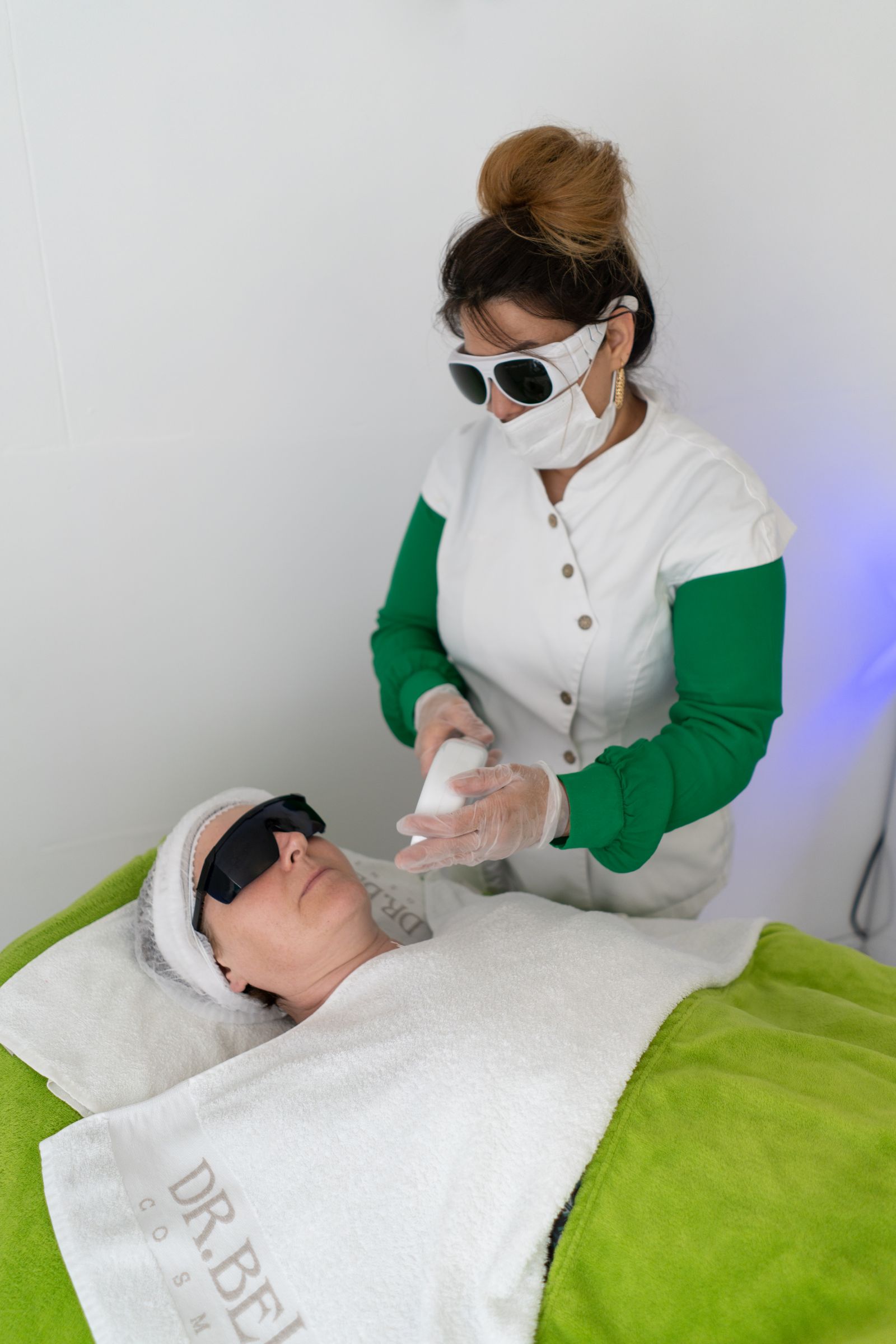
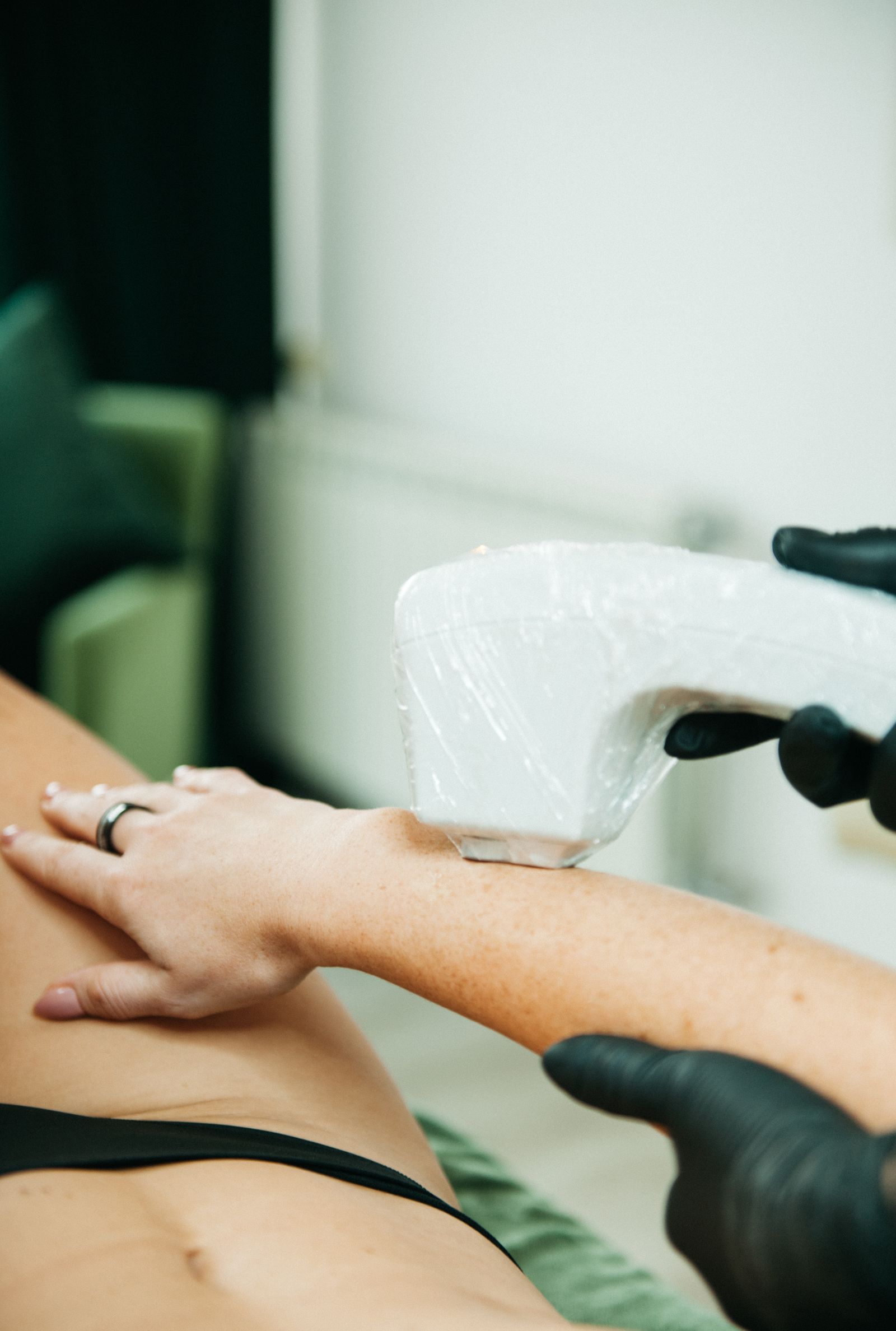
Laser hair removal uses light absorbed by melanin in the hair shaft and follicle; The absorbed energy becomes heat and can impair the follicle’s ability to produce another coarse hair; It is more accurate to describe the outcome as long-term hair reduction rather than guaranteed permanent removal because follicles can recover and new hormonally influenced hair can develop; For laser hair removal for PCOS, this mechanism must be interpreted alongside the article-specific issue: Patients with PCOS can achieve meaningful hair reduction, yet they may need a longer course or ongoing maintenance because androgen-related stimulation can activate new follicles over time.
Mayo Clinic explains that skin colour, hair colour and the treatment plan influence both results and risk; Dark hair generally responds better because it contains more target pigment, while white, grey, very light blonde and some red hair may respond poorly; Most patients require a series because follicles are not all in the same growth phase at one time; That evidence is relevant to what laser changes—and what it does not, but it does not predict an individual patient’s response.
People with brown or black skin can undergo treatment, but epidermal melanin competes for light energy; A systematic review of laser and light hair reduction in skin types III to VI found broadly similar outcomes among several modalities while highlighting differences in adverse-event profiles; Device selection, wavelength, cooling, pulse duration and operator experience all matter; a brand name alone does not establish safety; The practical meaning for laser hair removal for PCOS is therefore narrower than a general marketing claim about the treatment.
The American Academy of Dermatology warns that inexperienced laser treatment can cause burns, blisters, infection or dark marks; Patients should disclose tanning, previous reactions, medicines and conditions that affect hair growth before treatment; This point supports a diagnosis-led plan for laser hair removal for PCOS, not a standard package for every patient.
What Laser Changes—and What It Does Not
Laser can heat suitable pigmented hairs and reduce their ability to regrow. It cannot normalise ovarian function, lower androgens or prevent every previously inactive follicle from becoming stimulated later.
Chin and jawline hair may respond, but facial areas are often more hormonally sensitive than legs or underarms. The patient should judge success by reduced density, slower regrowth and finer hair—not by a promise that every hair disappears permanently.
Medical treatment for PCOS may be considered by an appropriate clinician. Laser and medical care can be complementary because they address different parts of the problem.
Who May Benefit?
Laser is most relevant when PCOS-related hair is visibly pigmented and sufficiently coarse for selective photothermolysis.
- Patients with confirmed or suspected PCOS and coarse dark hair
- People seeking reduction rather than a hormonal cure
- Patients prepared for maintenance
- Those able to avoid plucking during the course
- Patients with a treatment plan appropriate for their skin tone
Who May Need a Different Approach?
Fine vellus hair and very light hair respond poorly and may be unsuitable. Pregnancy, active skin inflammation, recent tanning and relevant photosensitising medicine may require postponement. New severe endocrine symptoms should be assessed first.
Professional Assessment in Kuala Lumpur
Before planning laser hair removal for PCOS, the consultation should separate the patient’s main goal from other findings that may require a different approach; Consistent photographs, examination and a clear account of previous aesthetic treatment help the clinician judge whether Laser Hair Removal matches what laser changes—and what it does not.
For laser hair removal for PCOS, Malaysian skin tones, daily sun exposure and routines involving outdoor work, exercise or head coverings may change practical planning; These factors do not determine suitability by themselves, but they can influence pigment precautions, recovery and the feasibility of aftercare.
Treatment Process
Before treatment
Document hair distribution, menstrual and medical history, medicines, pregnancy plans and previous hormonal treatment. Baseline photographs help distinguish true change from normal fluctuations in growth.
During treatment
Treatment is delivered to agreed areas using settings chosen for current skin tone and hair calibre. The doctor should avoid automatically treating surrounding fine facial hair.
After treatment
Shedding occurs over days to weeks. The next session should follow the pattern of meaningful regrowth rather than a rigid short interval.
Expected Treatment Course
| Stage | Focus |
|---|---|
| Initial assessment | Confirm hair type and consider medical evaluation |
| Early sessions | Reduce actively growing coarse hair |
| Mid-course review | Assess density, calibre and new areas |
| Course completion | Document reduction after several growth cycles |
| Maintenance | Treat meaningful recurrent coarse hair when appropriate |
The table gives a planning framework for laser hair removal for PCOS; A doctor may extend an interval, revise the technique or stop when benefit plateaus or recovery is not proceeding normally.
Potential Benefits
- Reduction of visible coarse hair
- Less frequent shaving or plucking
- Possible reduction in ingrown hairs
- Improved convenience and confidence for some patients
- Can complement medical PCOS management
A benefit should count only when it is visible or meaningful to the patient after normal recovery; Early redness, swelling or flattering lighting cannot establish the result of laser hair removal for PCOS.
Limitations and Realistic Expectations
Hormonal activity can continue to generate new growth. A strong early response does not guarantee that maintenance will never be needed. Laser also does not treat irregular periods, fertility concerns, insulin resistance or other PCOS features.
Comparison with Other Options
| Approach | What it addresses | Important limitation |
|---|---|---|
| Laser hair removal | Existing pigmented terminal hair | Does not treat the hormonal driver |
| Electrolysis | Individual hairs, including selected light hairs | Time-consuming for broad areas |
| Medical PCOS management | Underlying hormonal or metabolic issues | Hair already present may not disappear quickly |
| Shaving | Immediate surface removal | Temporary |
| Waxing/threading | Temporary removal from the root | Interferes with the follicular target during laser courses |
Combination-Treatment Considerations
When medically appropriate, management of androgen-related symptoms and laser reduction can be coordinated. Patients should not begin or stop hormonal medicine without the prescribing clinician.
A longer treatment list is not automatically a better plan; Any combination involving laser hair removal for PCOS needs a distinct purpose for each component, compatible recovery requirements and a review point before the next intervention.
Safety Considerations
Expected short-term effects include perifollicular redness, mild swelling, warmth or temporary tenderness; Less common complications include blistering, crusting, prolonged hyperpigmentation, hypopigmentation, scarring, infection and paradoxical stimulation of nearby hair; Eye protection is essential, and treatment should not be performed over the eyelids or directly around the eyes; In this article’s context, the clinician must also consider: Fine facial hair should be assessed carefully because poorly selected treatment areas may not respond and paradoxical increased growth has been reported around treated zones.
Pregnancy, active infection, significant dermatitis, recent tanning, photosensitising medicine and a history of poor healing may lead to postponement or modification; Patients should never stop prescribed medicine simply to attend a cosmetic appointment; the prescribing clinician and treating doctor should advise; Risk discussion for laser hair removal for PCOS should be tailored to the anatomical area and the patient’s history.
Fine facial hair should be assessed carefully because poorly selected treatment areas may not respond and paradoxical increased growth has been reported around treated zones.
Recovery and Aftercare
- Use cool compresses if advised for temporary warmth or swelling. Apply this advice to the planned laser hair removal for PCOS protocol.
- Avoid scratching, harsh exfoliation and fragranced products until irritation settles. Confirm the exact timing for laser hair removal for PCOS with the treating clinician.
- Use broad-spectrum sunscreen and minimise deliberate tanning. Report any unexpected change during the laser hair removal for PCOS course.
- Do not wax, pluck or thread hairs between sessions unless the clinic specifically advises otherwise. Individual instructions for laser hair removal for PCOS may be more specific.
- Contact the clinic for blistering, increasing pain, spreading redness or persistent pigment change. Keep this point in the written aftercare plan for laser hair removal for PCOS.
Avoid picking hairs as they shed. Shaving is usually more compatible with treatment than plucking, but follow the clinic’s instructions.
Measuring a Result Without Being Misled
Assessment should occur after the expected recovery and biological response, using consistent photographs and the same facial expression or body position; Immediate post-treatment images are poor evidence when redness, swelling or temporary muscle effects are still evolving; For laser hair removal for PCOS, comparison should focus on the specific outcome described in this article.
The useful question is whether Laser Hair Removal achieved the agreed goal with an acceptable burden; Patients should compare the change with baseline, side effects, cost and maintenance—not with edited social-media images; A modest but stable improvement may be more meaningful than a dramatic early change that disappears; The review should also record the article-specific limitation: Hormonal activity can continue to generate new growth. A strong early response does not guarantee that maintenance will never be needed. Laser also does not treat irregular periods, fertility concerns, insulin resistance or other PCOS features.
Questions to Ask Before Treatment
- Could my hair pattern suggest an untreated hormonal problem?
- Is the hair coarse enough to respond?
- Should surrounding fine hair be avoided?
- How will maintenance be decided?
- What happens if my medicines change?
- When should I return to the clinician managing PCOS?
Maintenance and Long-Term Planning
Maintenance frequency varies with hormonal control, age and hair pattern. A new assessment is sensible if regrowth changes suddenly or spreads to new areas.
Building a Proportionate Treatment Plan
A proportionate plan connects diagnosis, treatment burden and likely benefit; The online phrase “laser hair removal for PCOS” is useful for finding information, but it does not tell a doctor which structure is responsible, how severe the concern is or whether Laser Hair Removal is the most suitable option; Examination and medical history should narrow those uncertainties before a package is discussed; For laser hair removal for PCOS, the decision should remain tied to why pcos can cause unwanted hair.
Define success before the first session
Patients and clinicians should choose one or two realistic endpoints and record a baseline; Success may be partial rather than absolute: a visible reduction, a softer appearance, slower recurrence or a change that makes another treatment unnecessary; A clear endpoint prevents normal variation, flattering lighting or early swelling from being mistaken for durable improvement; The most relevant endpoint here is the one defined under what laser changes—and what it does not.
Balance benefit, inconvenience and uncertainty
Ask about appointment number, recovery, maintenance, cost across the whole course and the chance that the concern will respond incompletely; More energy, more product or shorter intervals are not automatically better; When evidence is limited or the use is off-label, informed consent should explain that uncertainty without presenting it as established fact; This keeps the plan centred on laser hair removal for PCOS instead of a generic treatment package.
Know when to reassess
A planned review should occur after enough time for the relevant biological response; At that point the doctor may continue, lengthen intervals, change technique, investigate another cause or stop; Continuing simply because sessions were prepaid is not a clinical reason; A review of laser hair removal for PCOS should revisit the original concern described in this article before another session is booked.
It is also useful to record the practical burden: time away from work, discomfort, visible recovery and the effort required for aftercare; A technically measurable change may still be a poor choice if it does not matter to the patient or requires maintenance they do not wish to continue; For laser hair removal for PCOS, the decision should remain tied to why pcos can cause unwanted hair.
- Can the clinician explain the diagnosis in plain language? Apply this advice to the planned laser hair removal for PCOS protocol.
- Are alternatives, including no treatment, discussed? Confirm the exact timing for laser hair removal for PCOS with the treating clinician.
- Are approved and off-label uses distinguished? Report any unexpected change during the laser hair removal for PCOS course.
- Is there a documented complication pathway? Individual instructions for laser hair removal for PCOS may be more specific.
- Will the plan change if the response differs from expectations? Keep this point in the written aftercare plan for laser hair removal for PCOS.
Reasons a Scheduled Session May Change
A current medical check matters at every visit; Infection, irritated skin, a new prescription, recent dental or aesthetic work, pregnancy or an unexpected reaction to the previous session may justify postponement or a revised technique; Escalating intensity is not the default answer to a weak response; reassessing the diagnosis may be more useful; Timing for laser hair removal for PCOS should account for the recovery and biological response described above.
Fitting Recovery Into Daily Life
Consider outdoor work, exercise, helmets, makeup, shaving and upcoming travel when choosing a date; In Kuala Lumpur, year-round heat and sun can make irritation and pigment precautions harder to follow; Patients should have enough time for ordinary recovery and access to review before an important event; This is especially relevant when the patient’s goal concerns why pcos can cause unwanted hair.
Related Treatment Information
For wider context around laser hair removal for PCOS, patients can read Millennium Clinic’s Laser Hair Removal in Kuala Lumpur and A patient guide to longer-term laser hair reduction. The linked pages cover the broader treatment category, while this article retains ownership of the narrower question about what laser changes—and what it does not.
Frequently Asked Questions
Can laser cure PCOS?
No. It reduces suitable hair but does not cure the hormonal condition.
Will facial hair return?
Some regrowth or new growth can occur.
How many sessions are needed?
Several are usually required, but there is no universal number for PCOS.
Can I continue PCOS medicine?
Discuss all medicines with both clinicians; do not stop prescribed treatment on your own.
Can I pluck between sessions?
Usually not, because plucking removes the target.
Is shaving allowed?
It is commonly allowed and often recommended, subject to clinic advice.
Can light hair be treated?
Laser response is limited when hair lacks pigment.
Can treatment worsen facial hair?
Paradoxical stimulation is uncommon but possible, particularly around fine-hair areas.
Should irregular periods be investigated?
Yes. Cosmetic treatment does not replace medical assessment.
Is maintenance always needed?
Not always, but it is more common when hormonal stimulation continues.
Conclusion
Laser hair removal for PCOS can reduce suitable coarse hair and the daily burden of removal, but the result is more realistic when patients understand the continuing hormonal influence and possible need for maintenance.
Millennium Clinic Kuala Lumpur provides doctor-led evaluation for laser hair removal for PCOS, with treatment recommendations based on diagnosis, medical context and realistic goals.

0 Comments