

Dr Diana Salim
Aesthetic doctor at Millennium Clinic Kuala Lumpur. Learn about her background and approach to individual assessment on her doctor profile.
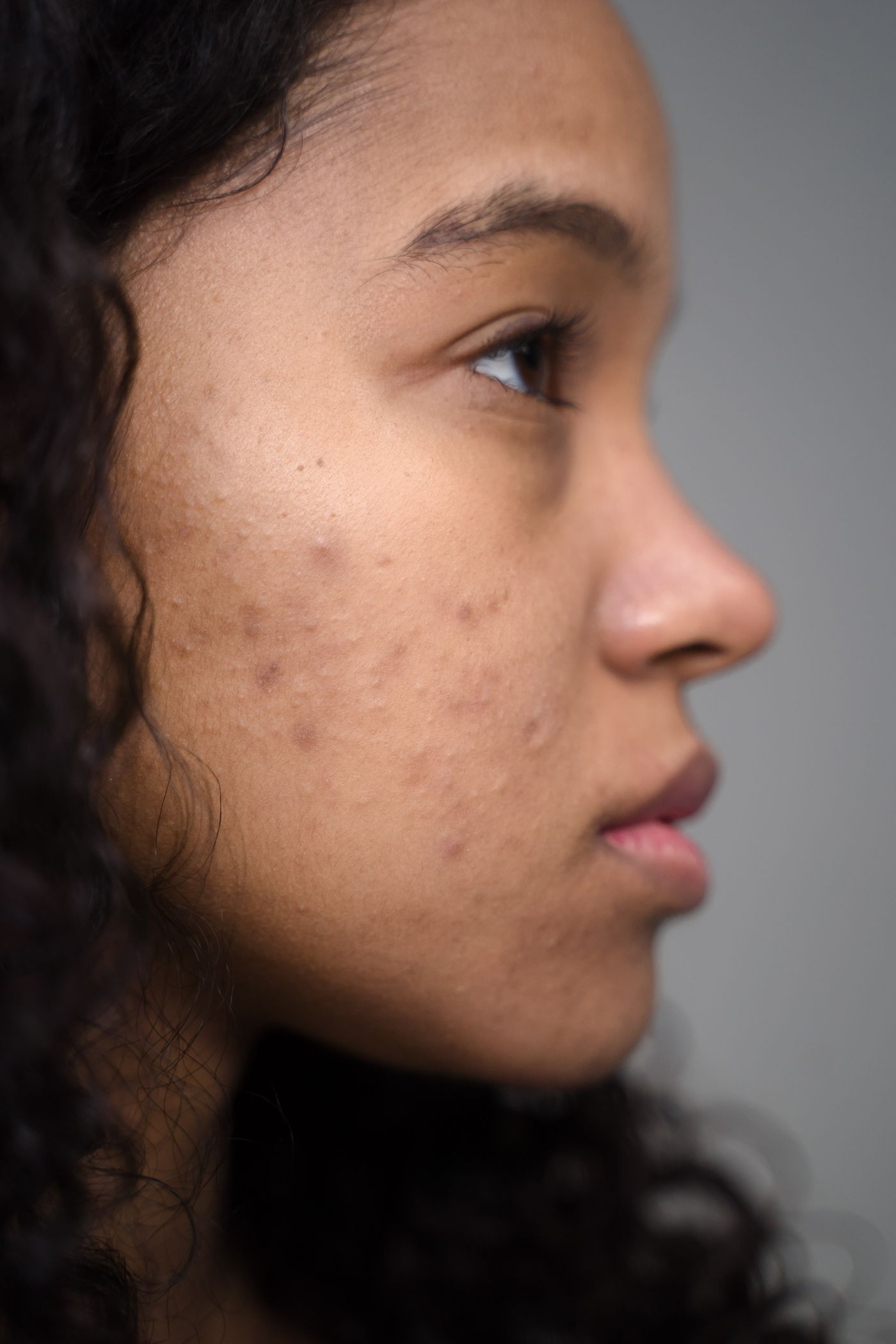
TABLE OF CONTENTS
- Introduction
- Key Takeaways
- Why a Depression Casts Different Shadows
- Photographs Capture More Than Scars
- Scar Type Still Needs Clinical Assessment
- Agree on the Outcome Before Treatment
- A Practical Home Photography Checklist
- Use More Than One View Without Chasing the Worst Angle
- Separate Texture from Pigmentation
- Why Immediate After-Photos Can Mislead
- Choose a Fair Review Time
- What to Bring to a Progress Review
- If Photographs and Your Impression Disagree
- When to Change the Plan
- Safety Should Not Be Reduced to Photo Tracking
- Protect Privacy and Avoid False Comparisons
- Practical Expectations in Kuala Lumpur
- FAQs
- Conclusion
- References
Introduction
Acne scars can look shallow in one photograph and much deeper in another without having changed physically between the two. At Millennium Clinic Kuala Lumpur, assessing progress should involve consistent comparisons and a clinical examination, rather than judging treatment from whichever mirror or selfie looks most dramatic. Lighting can alter shadows, while redness, pigment and swelling can change the overall impression.
For patients tracking acne scar treatment in Kuala Lumpur, this distinction can reduce both unnecessary worry and unrealistic optimism. A flattering immediate photograph is not proof of lasting correction, and an unflattering bathroom light is not proof that treatment failed. This guide explains how to document changes usefully and discuss an uncertain result without turning home photographs into a diagnostic test.
Key Takeaways
| Key Point | Summary |
|---|---|
| Why lighting matters | Directional light creates shadows that can make depressions appear more prominent. |
| What photos cannot prove | A single image cannot establish scar depth, tethering or the final treatment response. |
| Fair comparison | Keep lighting, camera distance, angle, expression and skin preparation similar. |
| Separate outcomes | Record colour changes separately from changes in skin contour. |
| Review timing | Allow the recovery and response appropriate to the procedure before judging benefit. |
| When to seek help | New pain, inflammation, injury or concerning skin changes need clinical review, not only more photographs. |
Why a Depression Casts Different Shadows
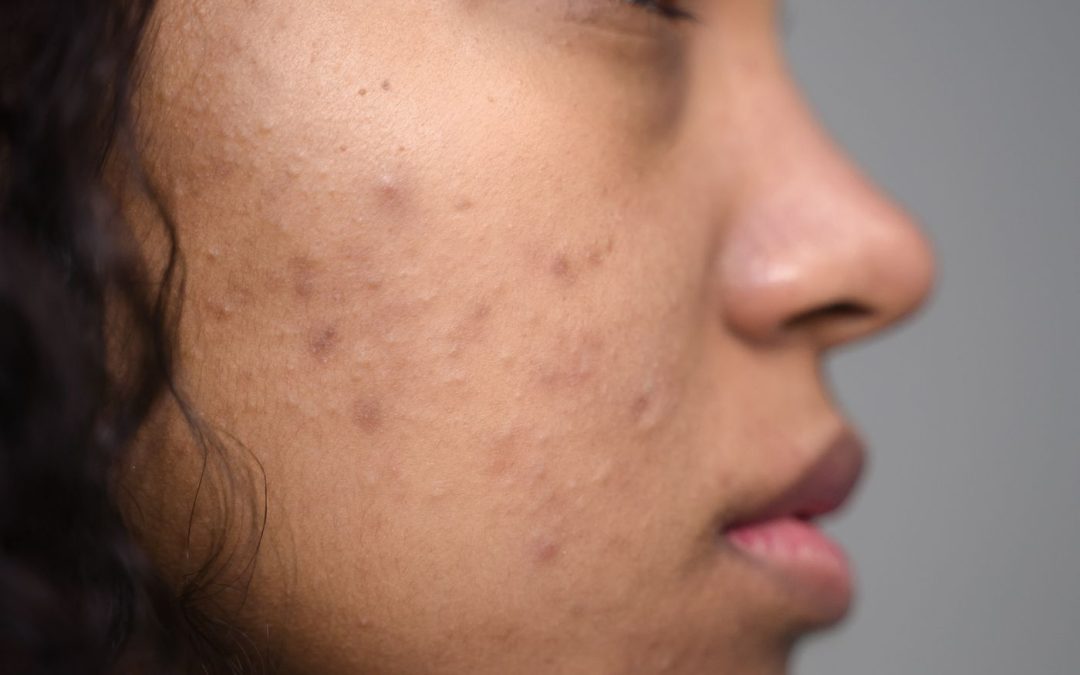
A depression has edges and a surface contour. Light falling across that contour can create a shadow, while light directed more evenly at the face may reduce the shadow. Moving a light source or turning the head can therefore change how prominent an old scar looks. The appearance has changed, but that observation alone does not demonstrate a biological change in the scar.
Strong overhead bathroom lights, bright side windows and direct phone lighting produce different effects. A patient may first notice scars under a new office light and conclude that they have suddenly worsened. Sometimes the environment is revealing features that were already present. A new or progressive physical change still deserves assessment, but lighting differences should be considered before drawing conclusions.
The AAD describes depressed acne scars as structural changes in skin contour. Their visibility can differ from flat colour changes. Looking at both contour and colour helps avoid calling every newly noticeable dark area a deeper scar.
Photographs Capture More Than Scars
A photograph also records expression, head position, skin shine, makeup, camera processing and the distance from the face. Even when the same phone is used, settings or automatic enhancement can change. A close selfie can exaggerate some features compared with a more distant photograph. These factors make casual images useful for communication but imperfect for precise measurement.
Skin can also look different after cleansing, moisturising or sweating. Makeup may fill or highlight surface irregularities, and a reflective product may alter the way light falls. The solution is not to stop ordinary skin care indefinitely. It is to make the conditions of a comparison as similar as reasonably possible and tell the clinician about relevant differences.
Avoid comparing an unfiltered baseline photograph with an edited or beauty-mode follow-up. An apparent improvement may partly reflect the processing. If your phone applies an enhancement automatically, mention it and use a consistent unfiltered setting where possible. Keep the original files rather than only screenshots compressed through several messaging apps.

Scar Type Still Needs Clinical Assessment
A photograph cannot reliably show whether a scar is firmly tethered beneath the surface or how the tissue feels. A doctor may examine the area from different angles and use clinical assessment to distinguish scar patterns. A patient should not select subcision, a peel or a device based only on the appearance of one shadow in a selfie.
A peer-reviewed acne-scar review describes evaluation according to scar morphology and other clinical features. This provides a basis for treatment selection beyond a single image. A photographic record can support the examination, but does not replace it.
The clinic’s guide to rolling, boxcar and ice-pick scars explains the main structural distinctions. Tracking progress is most meaningful when the original concern has already been identified. Otherwise, the patient may assess colour while the clinician is treating contour, or expect a general texture procedure to change a deep isolated pit.
Our article on skin boosters for pitted acne scars discusses their potential role and limitations without treating all scars as the same problem.
Agree on the Outcome Before Treatment
Choose a specific feature to review: the prominence of selected depressions, a broader texture concern or a particular colour change. A vague goal such as perfect skin is difficult to assess and may create disappointment despite a meaningful change. Ask the clinician to identify what the procedure is unlikely to improve as clearly as what it may improve.
The AAD recommends an individualised scar-treatment plan rather than one method for every patient. Different procedures may address different features. A fair review should return to the original target instead of assuming that every visible mark was meant to change equally.
If a combination is proposed, ask how the effect of each stage will be assessed. Several procedures performed close together can make it difficult to understand which contributed to a change. A staged plan may allow clearer review, although it does not turn ordinary clinical photographs into a controlled research study.
For a focused comparison of the two approaches, read skin boosters versus Sylfirm X for acne scars.
A Practical Home Photography Checklist
| Keep similar | Practical approach | Why it helps |
|---|---|---|
| Lighting | Use the same location and light arrangement. | Reduces changes caused by different shadows. |
| Distance | Keep the camera at a comparable distance. | Limits perspective differences. |
| Head position | Repeat the same front and side views. | Makes the same areas easier to compare. |
| Expression | Use a relaxed face unless expression is being assessed. | Reduces contour changes caused by movement. |
| Skin preparation | Use comparable makeup and product conditions. | Limits differences in shine and coverage. |
| Processing | Avoid filters and beauty enhancement. | Preserves a more honest record. |
This is a practical documentation guide, not a validated home scar-grading system. It should make a conversation easier rather than encourage repeated self-scoring. If the clinic has a standard photography arrangement, ask whether follow-up images can be taken under that same arrangement.
Use More Than One View Without Chasing the Worst Angle
A small set of comparable front and side views is usually more useful than dozens of images taken while searching for the harshest possible light. The clinician can advise which views help document your concern. A deliberately extreme angle can make a scar more visible, but it may not represent the change you notice in ordinary daily life.
There is also no need to hide a concern by choosing only flattering lighting. An honest record can include a view that shows the scar clearly, provided it is repeated consistently. The important distinction is between a useful standard view and changing the conditions each time until the result appears better or worse.
Separate Texture from Pigmentation
Brown marks may fade while depressions remain, or redness may settle before a structural change becomes assessable. Record these features separately. A photograph that looks more even in colour may feel like a large overall improvement, but it does not necessarily mean that every pit has become shallower. Conversely, persistent pigment can obscure an improvement in texture.
The AAD explains that post-inflammatory dark spots can follow acne or irritation. Such colour change is not identical to a depressed scar. If treatment is creating new irritation or darkening, discuss it with the clinician rather than assuming that every colour change is a necessary stage of progress.
Why Immediate After-Photos Can Mislead
Swelling after some procedures can temporarily soften the appearance of depressions. Moisturising products, procedure fluid or changes in skin redness can also alter the image. An immediate photograph may document the procedure day, but should not be presented as the final result of gradual remodelling. Ask what the photograph is intended to show.
The same caution applies when early recovery makes the skin appear rougher or more inflamed. An image taken during crusting may not represent the later outcome. The treating clinician should explain which changes are expected, how recovery will be reviewed and which symptoms are concerning rather than asking the patient to interpret every stage alone.
Choose a Fair Review Time
Different interventions have different recovery patterns and mechanisms. A procedure aimed at gradual tissue change should not be judged by the same timeline as temporary swelling. The Mayo Clinic notes that acne-scar approaches vary and may require repeated treatment. This does not establish one fixed number of sessions or one review date for everyone.
Ask when the clinician expects the chosen outcome to become reasonably assessable. If another session is recommended before that point, ask why. A short interval may be appropriate for some plans, but the rationale should be clear. A package calendar should not replace assessment of healing and response.
What to Bring to a Progress Review
Bring the original baseline photographs, a small number of dated follow-up images and a record of procedures performed. Note new acne, changes in products and any symptoms. A timeline is more useful than an unlabeled folder of close-ups that cannot be placed before or after particular treatment stages.
Describe the change you notice in daily life as well. Does the concern appear less prominent in ordinary lighting, or only in one photograph? Are you more comfortable with the appearance even though a particular pit remains? Patient experience matters, but should be considered alongside the examination and the original treatment goal.
If Photographs and Your Impression Disagree
Ask the clinician to explain the comparison rather than accepting a broad claim of improvement. Lighting, swelling or colour may explain part of the difference. The doctor may need to take new standardised images or examine a specific scar more closely. An uncertain comparison is not a reason to automatically increase treatment intensity.
It is also possible for a patient to value a small change more than a photograph suggests, or to remain dissatisfied despite an observable improvement. Both situations deserve a discussion of expectations. The aim of review is to decide what is useful next, not to persuade the patient that every session must have been successful.
When to Change the Plan
Minimal response should prompt reconsideration of the original diagnosis, procedure choice and treatment target. A deep tethered scar may need a different approach from general surface texture. A continuing acne flare may be creating new marks while older scars improve. These are clinical questions that a larger set of selfies cannot resolve by itself.
A decision to stop can be appropriate when the likely additional benefit is small or the recovery burden is too high. More sessions do not guarantee a different outcome. Discuss a realistic ceiling before committing to an extended course, particularly if the patient is repeatedly comparing their skin with heavily edited social-media images.
Our guide to combination treatment planning for acne scars explains why separate features may require different approaches.
Safety Should Not Be Reduced to Photo Tracking
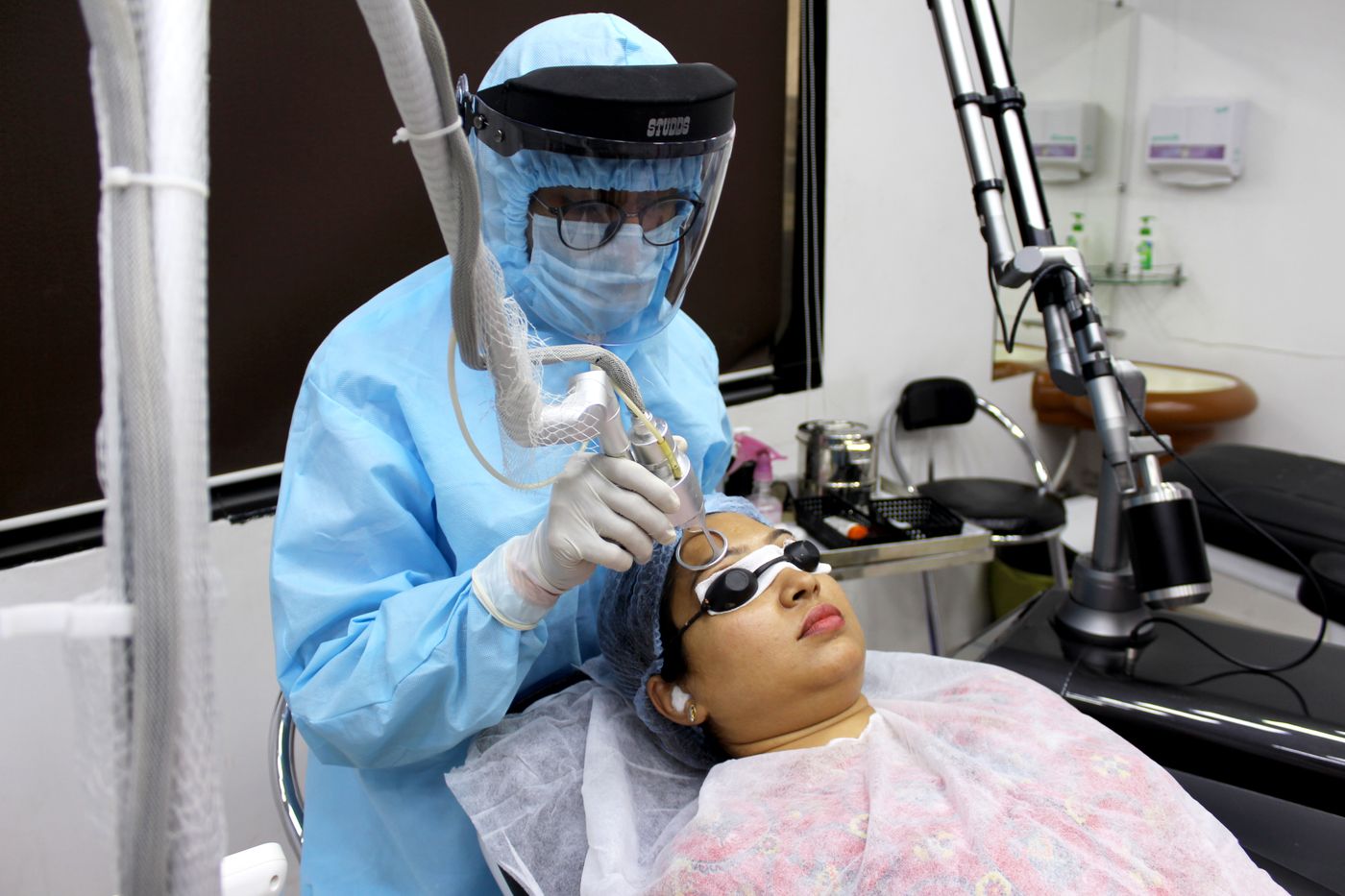
New severe pain, blistering, spreading redness, discharge, fever, unusual colour change or worsening swelling requires medical advice. Photographing the symptom can help communicate it, but should not delay care. A new concerning lesion is not simply a disappointing cosmetic result to be judged at the next routine progress review.
If an injectable was used, acute visual symptoms or unusual pale or dusky skin need urgent assessment. Report the procedure and product history clearly. Do not wait for the lighting to improve or for a more convincing picture before contacting the clinician about a serious symptom.
Protect Privacy and Avoid False Comparisons
Keep personal clinical photographs in a secure location and share them only through an appropriate channel. Ask the clinic how it stores images and whether any separate consent is required for public use. Agreeing to medical photography should not be confused with agreeing to have the images used in advertising.
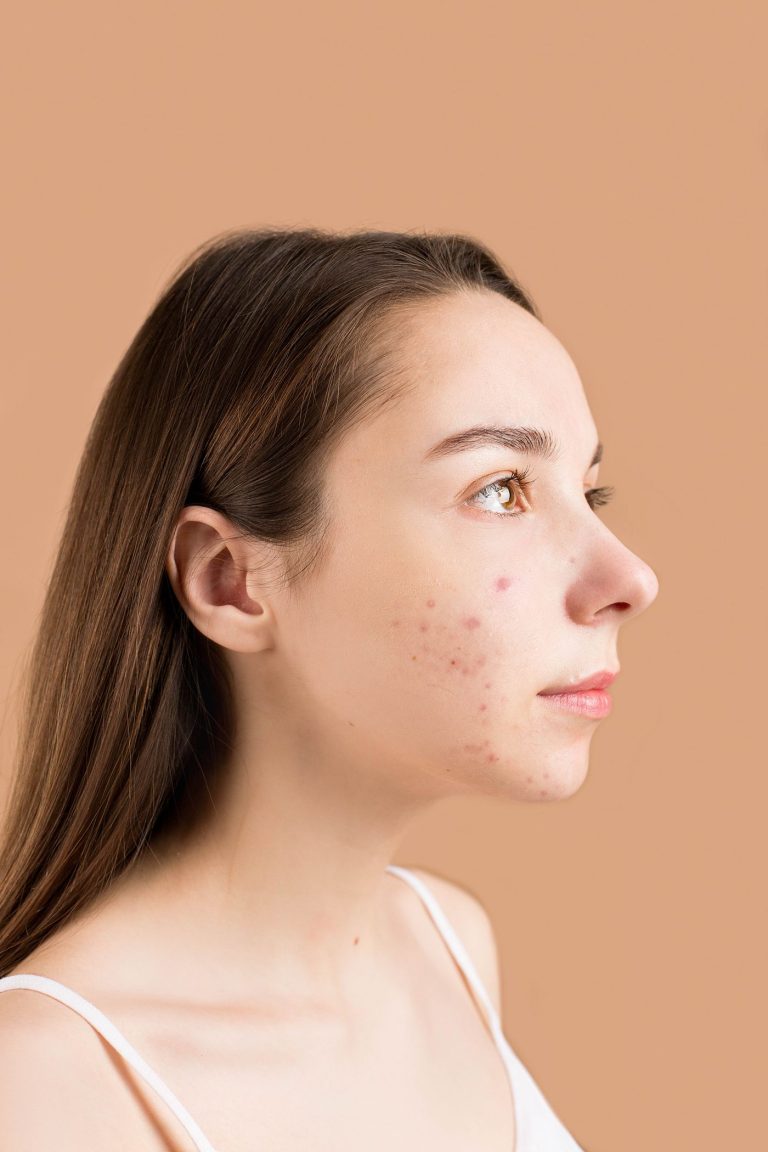
Stock photographs in an educational article are illustrations, not evidence of a treatment result. They should not be arranged as a before-and-after pair or presented as if they show a patient’s clinical journey. Likewise, another person’s outcome cannot predict your own response, even when the starting scars appear similar.
Practical Expectations in Kuala Lumpur
Try to take comparison photographs under repeatable indoor conditions rather than relying on changing outdoor sunlight. Malaysian humidity and sweating can alter skin shine, while commuting between indoor and outdoor environments changes the way texture appears. These everyday differences are reasons for consistency, not reasons to avoid normal life while monitoring treatment.
Use planned reviews instead of checking every few hours. If close inspection becomes distressing or begins to affect work, social activities or sleep, tell the clinician. A sensible treatment journey should support wellbeing rather than require constant searching for imperfections in increasingly magnified images.
FAQs
Does harsh lighting mean my scars are getting deeper?
Not necessarily. Directional light can reveal shadows that were less visible elsewhere. A physical change needs clinical assessment, but a different light source alone is not proof that the skin structure has worsened.
Should I use flash for every photograph?
Ask the clinic which conditions are useful and repeat them. The important issue is consistency, not one universal flash rule. A change in lighting between photographs can make comparison unreliable.
Can a phone app measure my scar improvement accurately?
A consumer app should not replace examination or be assumed to provide a validated measurement. Filters and automatic enhancement can alter appearance. Use photographs as supporting information rather than a self-diagnostic score.
Why do scars look better immediately after treatment?
Temporary swelling and other treatment-day effects can change contour. That early appearance may not represent the final response. Ask when a fair comparison can be made for the exact procedure used.
Is pigment improvement the same as scar improvement?
It can improve overall appearance, but colour and contour are different outcomes. A dark mark fading does not prove that a depression has filled. Record what was actually being targeted.
What if there is little visible change after several sessions?
Discuss the diagnosis, treatment choice and realistic ceiling before purchasing more sessions. The plan may need modification, a different intervention or a decision to stop. Repeating automatically is not the only option.
Can I compare my photos with another patient’s result?
Only with caution. Skin, scar architecture, lighting, procedures and healing differ. Another person’s result does not establish what your treatment should achieve, and stock images are not clinical outcome evidence.
How often should I photograph my skin?
Agree on a manageable schedule with the clinician. Repeated daily checking may show normal variation rather than meaningful progress. Planned comparable images are generally more useful for discussion than a constant stream of changing selfies.
Conclusion
Acne scars and lighting have a complicated visual relationship: shadows can change quickly while tissue changes require a different assessment. Consistent photographs, separate recording of colour and contour, and appropriately timed reviews make progress easier to interpret. None of these replaces examination or timely care for an unexpected symptom.
Millennium Clinic Kuala Lumpur offers doctor-led acne scar assessment and personalised treatment planning. Bring your baseline images and explain the outcome you value so that follow-up can focus on genuine, worthwhile change rather than the most flattering or unflattering photograph.
References
Medical disclaimer
This article is for general education and does not replace a consultation, diagnosis or treatment plan from a qualified medical practitioner. Suitability, risks, recovery and outcomes vary between individuals. Do not start, stop or change medicines or treatment based on this article alone. Seek prompt medical attention for concerning symptoms and do not delay care because of information you read online.
Recent articles by Dr Diana Salim
Explore more patient-friendly guides from Millennium Clinic Kuala Lumpur.
-

Lumps After Sculptra: Early Swelling, Nodules and When to Seek Medical Review
Understand why lumps after Sculptra need assessment, how early swelling differs from delayed nodules, and which symptoms need…
-

HIFU After Previous Fillers or Threads: What Your Doctor Needs to Know
Learn what to disclose before HIFU after fillers or threads, why timing and placement matter, and why a…
-
Acne Scar Treatment for Darker Skin: Reducing the Risk of Post-Inflammatory Pigmentation
Understand pigmentation risk during acne-scar treatment, why skin history matters, and practical precautions for Malaysian skin tones.
-

Sculptra After Significant Weight Loss: Why Weight Stability and Facial Assessment Matter
Explore how weight stability, facial volume and skin laxity affect Sculptra planning after weight loss, and when medical…
-

HIFU or Botox for Facial Lines? Why Skin Laxity and Muscle Movement Need Different Treatments
Compare HIFU and Botox by the cause of facial lines, including skin laxity, expression and texture, with realistic…
-
Acne Scar Treatment While You Still Have Breakouts: What Should Be Treated First?
Learn why ongoing acne can change scar-treatment timing, how doctors set priorities, and when scar procedures may be…
-

Why Do New Skin Tags Keep Appearing? Recurrence, Friction and Health Assessment
Understand new versus recurrent skin tags, friction and metabolic associations, and when a personalised medical assessment may be…
-
Juvelook and Sylfirm X: When a Staged Treatment Plan May Be Considered
Explore when Juvelook and Sylfirm X may address different concerns, why treatment can be staged, and the evidence…
Visit Millennium Clinic Kuala Lumpur
KL Eco City Mall, Bangsar
Lot L3-22A, KL Eco City Mall,
59200 Bangsar, Kuala Lumpur.
Phone: 019-3100836
Email: hello@millenniumclinickl.com