

Dr Diana Salim
Aesthetic doctor at Millennium Clinic Kuala Lumpur. Learn about her background and approach to individual assessment on her doctor profile.
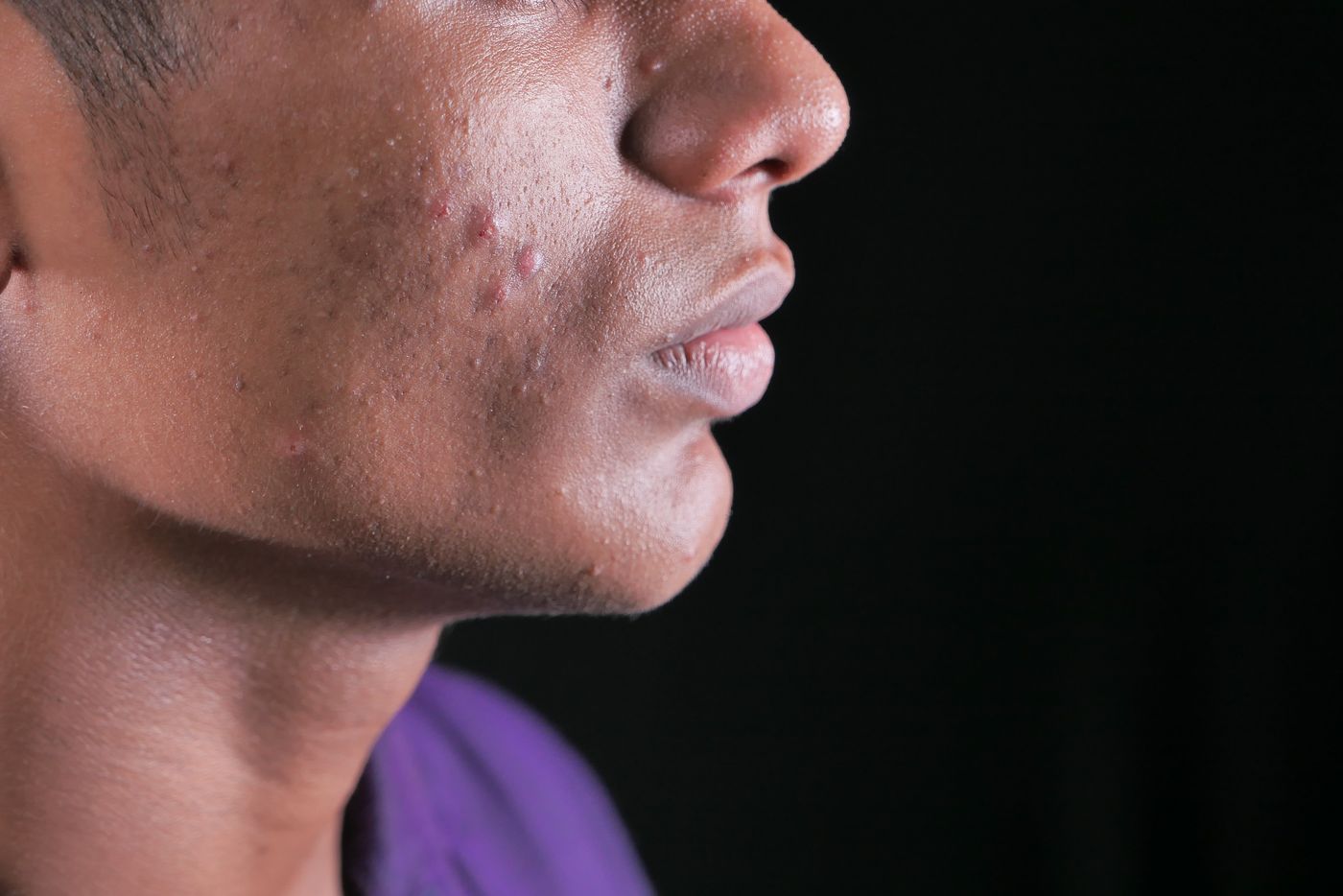
TABLE OF CONTENTS
- Introduction
- Key Takeaways
- Understanding Pigment Change After Inflammation
- Skin History Is More Useful Than a General Label
- Separate Colour from Scar Architecture
- Why Procedure Selection Matters
- Microneedling and RF Microneedling Need Distinction
- A Balanced View of Device Safety
- Preparing the Skin Without Irritating It
- Planning Around Sun Exposure
- Why Staging Can Be Sensible
- What to Expect During Recovery
- When Darkening Needs Review
- Measuring Benefit Without Chasing Colour Daily
- Choosing a Provider in Kuala Lumpur
- FAQs
- Conclusion
- References
Introduction
Treating acne scars in darker skin requires attention to both contour and the skin’s response to inflammation. At Millennium Clinic Kuala Lumpur, a consultation should explore previous dark marks, irritation and healing before a procedure is selected. Improving a depression is a different goal from avoiding or treating post-inflammatory pigmentation, and both need a place in the plan.
Malaysian skin tones are diverse, so ethnicity alone cannot determine treatment settings or risk. Patients researching acne scar treatment for darker skin need an individual assessment rather than a claim that one machine is suitable for everyone. This guide focuses on pigmentation risk around scar treatment, practical precautions and realistic expectations without suggesting that darker skin cannot be treated safely.
Key Takeaways
| Key Point | Summary |
|---|---|
| What is PIH? | Post-inflammatory hyperpigmentation is a pigment change following inflammation or injury. |
| Is it the same as a scar? | No. A dark patch and a change in skin contour are different findings. |
| Can darker skin be treated? | Yes, but the procedure and precautions should fit the individual skin and scar pattern. |
| What affects risk? | Previous pigment reactions, current inflammation, treatment intensity and aftercare are relevant. |
| Does conservative mean ineffective? | No. A measured staged plan may be more appropriate than aggressive treatment. |
| Can PIH be ruled out? | No procedure can guarantee that pigmentation will not occur. |
Understanding Pigment Change After Inflammation
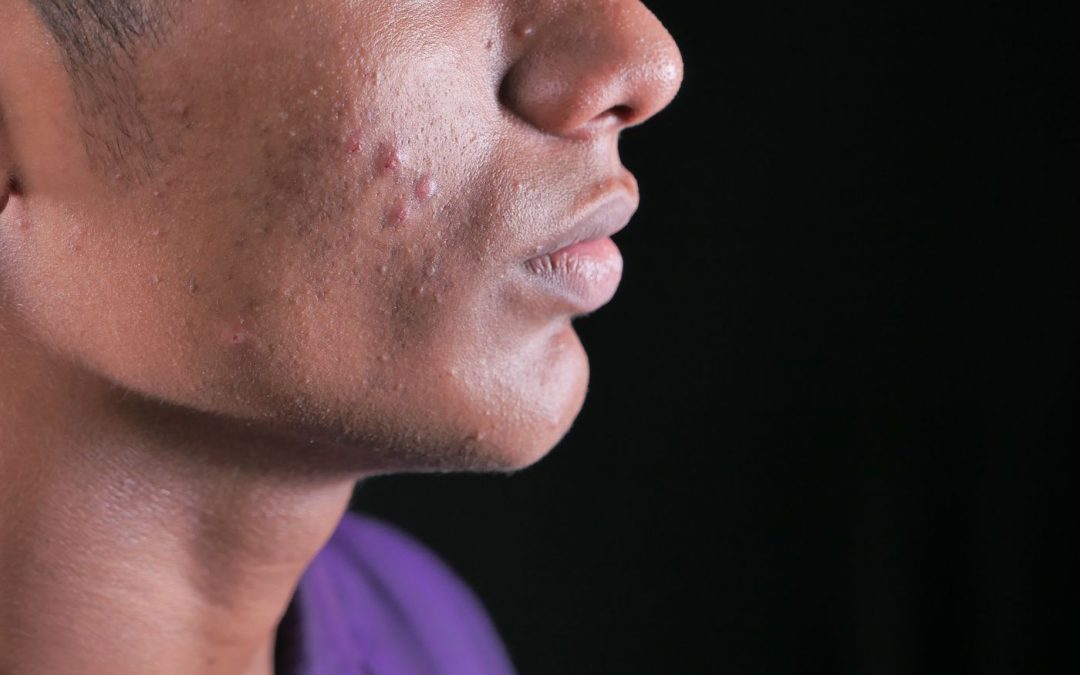
Inflammation can alter pigment production, leaving a darker area after the original skin problem settles. Acne itself can do this, and a procedure that irritates or injures skin can also be followed by colour change. A patch may therefore appear even when the procedure was intended to improve an older scar. It should be assessed rather than assumed to be new structural scarring.
The AAD explains that inflammation and irritation can trigger dark spots, particularly in darker skin tones. Addressing the cause is part of managing the colour change. Applying increasingly harsh products can produce additional irritation rather than a faster improvement.
PIH can coexist with redness, active acne and depressions. The consultation should identify which change is most bothersome and which one the proposed treatment is expected to influence. A patient may see less visible pigment without a major change in scar depth, or improved texture while colour remains. Those outcomes need different interpretation at follow-up.
For persistent colour changes, our page on hyperpigmentation assessment explains this separate concern.
Skin History Is More Useful Than a General Label
Tell the clinician what happens after a pimple, scratch, insect bite or previous cosmetic procedure. Long-lasting dark marks, prolonged irritation and unusual light patches are relevant. Bring photographs if a previous reaction has resolved. The fact that the skin looks calm today does not erase a history that may influence treatment selection.
A skin-tone classification can help describe response to sun exposure, but it does not capture every individual risk. Recent tanning, a damaged skin barrier, active inflammation and the exact area being treated may matter. Patients should not be assigned a procedure solely because they belong to a particular ethnic group or because a device is advertised for Asian skin.
In Malaysia, outdoor commuting, sports and practical sun avoidance should be discussed honestly. Advice that is impossible to follow is not a useful aftercare plan. The doctor can help schedule treatment around work and activities, but a convenient date should not override the condition of the skin or the required recovery.
Separate Colour from Scar Architecture
A scar assessment looks at the shape and depth of depressions or the presence of raised tissue. A pigment assessment examines a different feature. Some patients need both, but a procedure that targets one is not automatically the best choice for the other. The distinction is important when a broad term such as acne marks is used in an advertisement.
The clinic’s article on acne scars versus pigmentation explains the diagnostic difference. Here, the focus is the additional colour change that can occur around a scar-treatment course. Understanding that risk helps patients consent realistically and recognise when review may be useful.
The Mayo Clinic notes that certain acne-scar procedures carry increased side-effect risk in darker skin. That does not rule out all procedures. It reinforces the need to choose the method, intensity and precautions according to the individual patient.
Our guide to why acne scars and pigmentation need different treatment plans explains why changes in colour and surface texture should be assessed separately.
Why Procedure Selection Matters
Treatment choice depends on the scar and the surrounding skin, not only the risk of pigmentation. A method that produces limited surface injury may still be unsuitable for a particular deep scar. Conversely, selecting a more intensive resurfacing treatment simply because a depression is noticeable may expose the patient to recovery and risk that have not been justified.
Discuss which problem requires direct structural treatment and which might respond to surface remodelling. Tethering, narrow pits and sharply edged depressions can call for different approaches. The aim is not to eliminate risk by choosing an ineffective procedure; it is to choose a reasonable balance between expected benefit, uncertainty and the patient’s preferences.
The AAD recommends individualising acne-scar treatment according to factors including scar type and skin tone. Several methods may be considered, but that is different from recommending every available procedure to the same patient. A focused plan should state why each intervention is necessary.
For help setting priorities, read our guide to planning treatment for scars, pigmentation and dullness.

Microneedling and RF Microneedling Need Distinction
Ordinary microneedling creates controlled punctures, while RF microneedling adds energy delivery. These are related but not identical procedures. Evidence and safety statements about one should not be used as if they prove the performance of every device in the other category. Ask which procedure is being proposed and what outcome it is intended to achieve.
The AAD discusses professional microneedling for appropriate scar concerns across skin tones. This does not establish zero pigmentation risk or make home rolling an equivalent alternative. Patient selection, technique and aftercare remain relevant.
For Sylfirm X or another RF microneedling system, the clinician should identify the exact device and proposed indication. Discuss prior pigment reactions and any history of abnormal scars. A claim that energy bypasses the surface should not be interpreted as a guarantee that burns, pigment changes or deeper injury cannot occur.
A Balanced View of Device Safety
The FDA has warned about serious complications reported with certain RF microneedling uses. These include burns, scarring, fat loss and nerve damage. This category-level communication is not a claim that a particular device inevitably causes harm, but it belongs in an informed safety discussion.
Patients should ask who performs the procedure, what training they have and who assesses a problem afterwards. Neither a popular brand nor an impressive before-and-after gallery removes the need for medical judgement. If a practitioner promises that a treatment cannot cause pigmentation because it is suitable for darker skin, ask for a more qualified explanation of the actual risks.
Preparing the Skin Without Irritating It
Preparation should begin with the current condition of the skin. Active acne, dermatitis, a rash or an irritated barrier may need attention before an elective scar procedure. Report burning, peeling or sensitivity rather than assuming those symptoms are a necessary sign that a product is working. Treating over an unresolved problem can complicate both healing and assessment.
Some patients may receive a specific preparation regimen, but it should be prescribed or recommended for their procedure and skin history. Do not start a strong lightening cream, acid or unlabelled online product on your own. More preparation is not always better when the additional product creates inflammation before the appointment.
Ask which existing products to continue or pause, and when any paused item can be resumed. Instructions should identify the actual ingredient or product rather than simply telling the patient to avoid everything active. Do not stop prescribed acne medication without advice. Bring the product list to consultation if the routine contains several overlapping ingredients.
Planning Around Sun Exposure
Sun protection is an ongoing part of caring for pigment-prone skin, but sunscreen should not be presented as a guarantee against PIH. Discuss shade, protective clothing and avoiding unnecessary exposure alongside a suitable sunscreen routine. Reapplication and practicality matter, especially when a person sweats heavily or spends much of the day outdoors.
If you have recently tanned, burned or developed an irritated sun-exposed area, tell the clinician before treatment. A planned appointment can be delayed if the skin is not ready. This may be frustrating when leave has been arranged, but the booked date should not be treated as more important than the current examination.
Why Staging Can Be Sensible
A staged plan can allow the clinician and patient to observe healing and decide whether the next step remains appropriate. It may involve treating selected areas first or allowing a response to settle before increasing the treatment burden. That is a clinical strategy, not proof that every patient needs a particular number of sessions.
Ask what would trigger a change in the plan. Persistent inflammation, unexpected pigment change or minimal improvement should prompt review. The next session should not proceed automatically just because it was included in the original package. The patient’s tolerance for downtime and colour change is also important when deciding whether a further procedure is worthwhile.

What to Expect During Recovery
Temporary redness, tenderness or crusting may occur after certain procedures, while other treatments have a different recovery pattern. The clinician should explain what is expected for the method actually used. Early colour changes cannot always be classified accurately from a message or photograph alone; an examination may be needed if symptoms are concerning or persistent.
Do not pick crusts, rub the skin aggressively or introduce multiple new products to speed up recovery. Follow the written care plan and clarify when usual skin care can restart. If a dressing is required, ask how to manage it. An individual instruction should take precedence over a generic online routine for a different device or peel.
When Darkening Needs Review
Tell the clinic about a new or worsening dark area, especially if it follows substantial redness, blistering or pain. Not all post-treatment darkening is ordinary PIH, and a symptom should not be dismissed from colour alone. A burn, infection or another complication requires a different response from uncomplicated pigment change.
Seek prompt medical care for increasing pain, spreading redness, discharge, fever or skin injury that is not healing as expected. Sudden unusual colour change after an injectable procedure also needs urgent assessment. The clinic should explain its contact and escalation arrangements before treatment, so that the patient is not left deciding alone whether to wait.
Measuring Benefit Without Chasing Colour Daily
Record baseline texture and pigmentation separately. Use comparable lighting, camera distance and facial position at planned reviews. A brighter photograph can make a mark appear lighter without proving biological improvement. Equally, side lighting can exaggerate depressions even when the colour is improving. A fair comparison should look at the same concern under similar conditions.
Improvement may be gradual and incomplete. Ask the doctor how long it is reasonable to observe the particular change before reassessing treatment. Avoid adding procedures each time a daily photograph looks different. The goal is a worthwhile overall result with acceptable risk, not identical appearance in every mirror or lighting condition.
Choosing a Provider in Kuala Lumpur
Look for a consultation that asks about previous pigment reactions and examines the scar pattern. A useful recommendation explains what the treatment can reasonably improve, how risks are reduced and what remains uncertain. It should also discuss alternatives, including a less intensive approach or no procedure when the likely benefit is small.
Ask whether the quoted cost includes review and management of ordinary recovery concerns. Consider travel and access to follow-up, not just the initial session fee. A patient prone to dark marks may place particular value on accessible reassessment. Claims of universally pigment-safe treatment should not replace a clear medical explanation.
FAQs
Is darker skin unsuitable for acne-scar treatment?
No. Several approaches may be considered, but suitability depends on the person, scar pattern and procedure. A skin-tone label alone cannot select the safest or most effective treatment.
Is a brown mark after treatment always a permanent scar?
No. Colour change and structural scarring are different. The area needs assessment if the cause is unclear, especially when there was pain, blistering or significant inflammation. Do not diagnose it from an online image alone.
Can microneedling guarantee no pigmentation?
No procedure can offer that guarantee. Professional microneedling may be considered for appropriate concerns across skin tones, but individual reactions and technique still matter. Home devices are not equivalent to a medically planned procedure.
Does a more aggressive procedure give faster improvement?
Not necessarily. More intensity can increase recovery and complication risk without addressing the scar architecture better. The appropriate treatment should be justified by the examination, not by a desire for the strongest available setting.
Should I use a lightening cream before treatment?
Only if the clinician recommends a specific product and regimen for your situation. Self-prescribed acids or unlabelled creams can irritate the skin and complicate preparation. Ask what to use, how long to use it and when to stop if irritation occurs.
Can I have treatment if I recently tanned?
Tell the clinic before attending. Recent exposure can affect suitability and timing. The clinician may recommend waiting, depending on the skin and planned procedure. Do not conceal tanning to avoid changing an appointment.
What if my previous treatment left dark marks?
Bring that history and any photographs to consultation. It does not automatically prohibit all future treatment, but it is important risk information. A new plan should explain what will be different and why the expected benefit remains reasonable.
Can skin boosters prevent pigment change after devices?
That should not be assumed. An injectable intended for hydration or skin quality is not a guarantee against PIH, and adding another procedure introduces its own considerations. Ask for evidence specific to any proposed combination.
Conclusion
Acne-scar treatment in darker skin is possible, but the plan should address pigment history as well as scar structure. Reducing irritation, selecting an appropriate intervention and arranging accessible follow-up can improve decision quality. No device or skincare product can promise that pigmentation will never occur.
Millennium Clinic Kuala Lumpur provides doctor-led assessment and individualised acne scar treatment planning. Discuss your skin’s previous reactions, current routine and realistic priorities before selecting a procedure. A measured plan should balance potential texture improvement with the recovery and pigment-related risks that matter to you.
References
Medical disclaimer
This article is for general education and does not replace a consultation, diagnosis or treatment plan from a qualified medical practitioner. Suitability, risks, recovery and outcomes vary between individuals. Do not start, stop or change medicines or treatment based on this article alone. Seek prompt medical attention for concerning symptoms and do not delay care because of information you read online.
Recent articles by Dr Diana Salim
Explore more patient-friendly guides from Millennium Clinic Kuala Lumpur.
-

Sculptra After Significant Weight Loss: Why Weight Stability and Facial Assessment Matter
Explore how weight stability, facial volume and skin laxity affect Sculptra planning after weight loss, and when medical…
-

HIFU or Botox for Facial Lines? Why Skin Laxity and Muscle Movement Need Different Treatments
Compare HIFU and Botox by the cause of facial lines, including skin laxity, expression and texture, with realistic…
-

Acne Scar Treatment While You Still Have Breakouts: What Should Be Treated First?
Learn why ongoing acne can change scar-treatment timing, how doctors set priorities, and when scar procedures may be…
-

Why Do New Skin Tags Keep Appearing? Recurrence, Friction and Health Assessment
Understand new versus recurrent skin tags, friction and metabolic associations, and when a personalised medical assessment may be…
-

Juvelook and Sylfirm X: When a Staged Treatment Plan May Be Considered
Explore when Juvelook and Sylfirm X may address different concerns, why treatment can be staged, and the evidence…
-
Healing After Skin Tag Removal: Scabs, Dark Marks and When to Seek Review
A practical skin tag removal recovery guide covering wound care, scabs, pigment changes and signs that need medical…
-

Juvelook vs Hyaluronic Acid Skin Boosters: Comparing Treatment Goals and Reversibility
Compare Juvelook with hyaluronic acid skin boosters by hydration, collagen response, reversibility, safety and suitability for your skin…
-
Skin Tags on the Eyelids: When Removal Needs Specialist Assessment
Learn why eyelid skin tags need careful diagnosis, how location affects removal, and when an eye specialist or…
Visit Millennium Clinic Kuala Lumpur
KL Eco City Mall, Bangsar
Lot L3-22A, KL Eco City Mall,
59200 Bangsar, Kuala Lumpur.
Phone: 019-3100836
Email: hello@millenniumclinickl.com