
BabyGlow Redensity 1 for Glass Skin: Benefits, Downtime and Realistic Expectations
Introduction
“Glass skin” has become one of the most searched beauty goals among patients in Malaysia, especially in urban areas such as Kuala Lumpur. The term usually refers to skin that looks smooth, fresh, hydrated, luminous and more even-toned. For many people, this is not about looking artificially different. It is about improving skin quality so the face looks healthier, less tired and naturally radiant.
However, achieving this type of glow is not always as simple as applying more skincare. Dullness, dryness, rough texture, enlarged pores, acne marks, pigmentation, early fine lines and uneven skin tone can all affect how light reflects from the skin. When the skin surface is dehydrated or uneven, the complexion may appear flat, tired or patchy even with makeup.
This is where treatments such as BabyGlow Redensity 1 for glass skin are often discussed. In aesthetic practice, Redensity 1 is commonly known as a skin quality or skin booster treatment designed to improve hydration, radiance and overall skin texture rather than dramatically changing facial shape. It is usually considered by patients searching for redensity teoxane in malaysia , glass skin treatment Kuala Lumpur, BabyGlow treatment KL, skin booster for glow Kuala Lumpur, dull skin treatment Kuala Lumpur, hydrated skin treatment KL, or an aesthetic clinic Kuala Lumpur that provides personalised skin assessment.
Still, patients should understand one important point: “glass skin” is a beauty description, not a medical diagnosis. A responsible treatment plan should begin with proper skin assessment, realistic expectations and safety screening. Skin boosters may help improve skin hydration and quality, but results vary depending on age, skin condition, lifestyle, sun exposure, acne activity, pigmentation type and overall skin health.
This article explains what BabyGlow Redensity 1 may do, who may be suitable, what downtime to expect, what limitations to understand, and how Malaysian patients can plan a safe and realistic skin journey.
Key Takeaways
| Key Point | Summary |
|---|---|
| What is BabyGlow Redensity 1 for glass skin? | It is commonly positioned as a skin quality treatment that aims to improve hydration, glow, smoothness and overall skin freshness rather than changing facial structure. |
| Who may consider this treatment? | Patients with dull, dehydrated, tired-looking or mildly uneven skin may consider it after a proper consultation and skin assessment. |
| Does it treat acne scars or pigmentation completely? | It may support overall skin quality, but deeper acne scars, melasma or stubborn pigmentation often need combination treatment such as lasers, microneedling, peels, medical skincare or acne control. |
| Is there downtime? | Mild redness, small bumps, swelling, tenderness or bruising may occur after injectable skin booster procedures. Downtime varies by patient and technique. |
| When can results be seen? | Some patients notice improved hydration or glow within weeks, but optimal improvement usually requires time, consistency and sometimes a series of sessions. |
| Is it safe for everyone? | Not necessarily. Suitability depends on skin condition, medical history, allergies, pregnancy or breastfeeding status, active infection, acne flare, tendency to scar and medication use. |
| Why is consultation important? | A doctor-led assessment helps identify whether dull skin is due to dehydration, pigmentation, acne marks, inflammation, lifestyle factors or another skin concern. |
| What is the realistic goal? | The realistic aim is healthier-looking, more hydrated and fresher skin, not poreless, filter-like or permanently perfect skin. |
Image credit: Unsplash
Understanding “Glass Skin” from a Medical and Aesthetic Perspective
Glass skin is a skin quality goal, not a medical condition
Glass skin is often described as skin that appears clear, smooth, hydrated and reflective. In aesthetic medicine, this usually relates to several measurable skin qualities: hydration level, skin barrier function, texture, pore appearance, pigmentation, inflammation and collagen support.
From a medical perspective, healthy-looking skin depends on more than one factor. The outer skin barrier helps reduce water loss and protects against irritants. When this barrier is dry, irritated or damaged, skin can look dull, rough or flaky. According to the American Academy of Dermatology’s public skin care guidance, gentle cleansing and appropriate moisturising are important parts of maintaining healthy facial skin.
This means that an injectable or aesthetic treatment alone should not be seen as a shortcut that replaces daily skincare, sun protection, sleep, acne management or pigmentation control.
Why skin can lose its glow
Skin may look dull when the surface becomes dry, uneven or congested. Common reasons include dehydration, accumulated dead skin cells, frequent sun exposure, poor sleep, stress, smoking, acne inflammation, post-acne marks, melasma, irritation from harsh skincare or natural ageing.
In Malaysia, sun exposure is a major daily factor. Kuala Lumpur’s hot and humid climate may make some patients feel oily, but oily skin can still be dehydrated underneath. In addition, UV exposure can worsen pigmentation and make uneven skin tone more noticeable. The CDC explains that UV exposure can damage skin and increase skin cancer risk, which is why sun protection remains important even when the goal is cosmetic skin improvement.
What Is BabyGlow Redensity 1?
A skin booster-style treatment for hydration and radiance
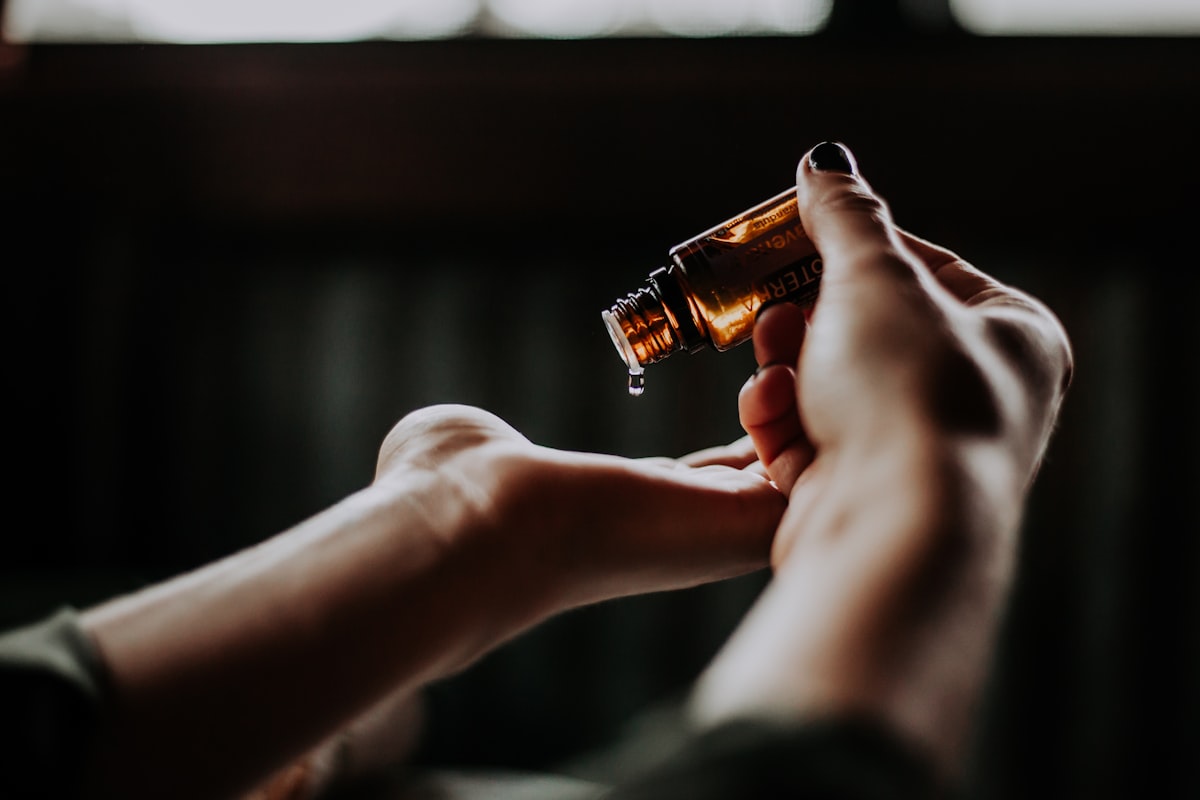
BabyGlow Redensity 1 is commonly described in aesthetic clinics as a skin booster approach using Redensity 1, a product category associated with skin quality improvement. In general, skin boosters are not meant to create large-volume lifting like some dermal fillers. Instead, they are used in small amounts within the skin to support hydration, glow and texture refinement.
Many patients searching for BabyGlow Redensity 1 for glass skin are usually not looking to change their face shape. Their concerns are usually dullness, tired-looking skin, mild roughness, visible dehydration lines, lack of radiance, or uneven skin quality.
How it differs from facial spa treatments
A facial may cleanse, exfoliate, hydrate or soothe the skin surface. A skin booster-style treatment is different because it is performed in a medical aesthetic setting and may involve injections or device-assisted delivery into the skin. Because of this, it requires proper hygiene, medical screening, suitable technique and clear explanation of possible side effects.
Patients should avoid treating BabyGlow treatment KL as a “simple beauty facial” if it involves injections. Any injectable aesthetic treatment should be performed only after consultation with a qualified medical practitioner in an appropriate clinical setting.
How it differs from laser treatment
Laser treatments usually target specific chromophores or skin structures, such as pigment, redness, hair follicles or controlled collagen stimulation. Skin booster treatment focuses more on hydration and skin quality. For patients with pigmentation, acne marks or deeper acne scars, a doctor may recommend combining a skin booster with other treatments rather than relying on BabyGlow alone.
Common Skin Concerns That Lead Patients to Consider BabyGlow Redensity 1
Dull skin
Dull skin can make the face look tired, greyish or flat. It may happen because of dryness, dehydration, uneven texture, slow skin cell turnover, sun exposure, poor sleep or inflammation. Patients searching for dull skin treatment Kuala Lumpur may need a plan that combines skincare review, sun protection, hydration support and, when suitable, aesthetic treatment.
Dehydrated skin
Dehydrated skin lacks water, while dry skin lacks oil. Even oily and acne-prone skin can become dehydrated, especially after harsh cleansers, over-exfoliation, acne medication, air-conditioning or poor skin barrier care. Hydrated skin often reflects light better, which contributes to the “glow” effect.
Hyaluronic acid is widely used in dermatology and skincare because of its water-binding properties. A review available through the NIH’s PubMed Central database notes that hyaluronic acid-based topical products have been studied for improving skin hydration and signs of skin ageing, although product type, delivery method and individual response matter.
Fine dehydration lines
Fine lines caused by dehydration may appear around the cheeks, under-eye area or smile lines. These are not the same as deep wrinkles caused by ageing, volume loss or repetitive facial movement. A skin booster may help improve the appearance of fine dehydration lines, but it should not be presented as a replacement for all anti-ageing treatments.
Uneven skin tone
Uneven skin tone can come from post-inflammatory hyperpigmentation, melasma, sun damage, redness, acne marks or irritation. BabyGlow may improve overall radiance, but pigmentation treatment Kuala Lumpur usually requires identifying the type of pigmentation first.
Acne marks and mild textural irregularity
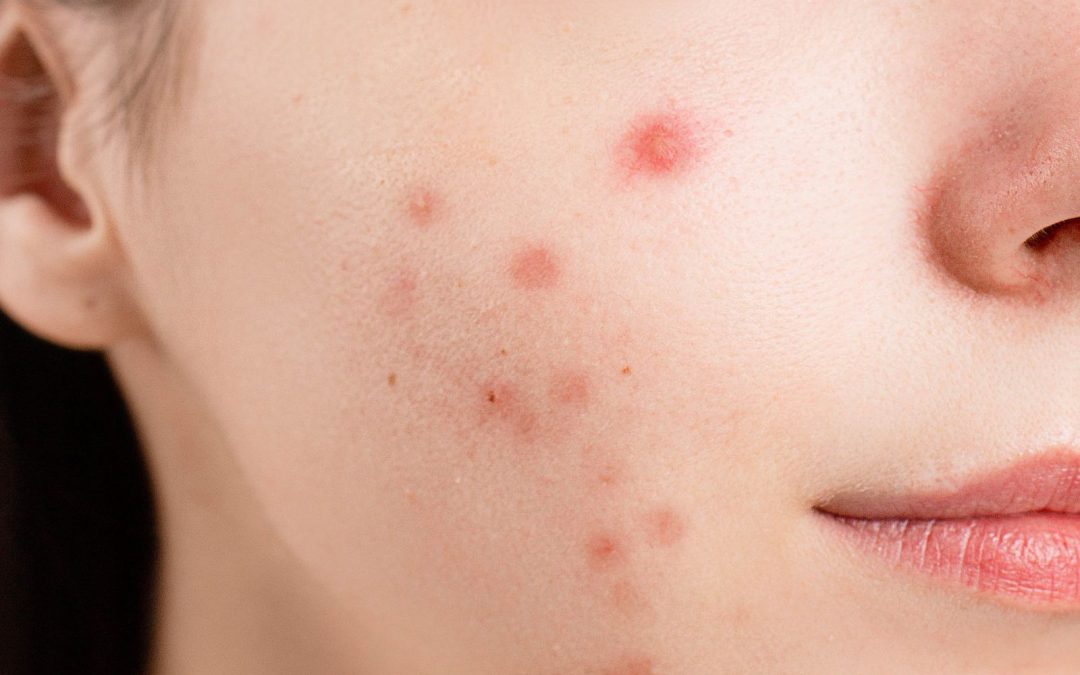
Some patients confuse acne marks with acne scars. Acne marks are usually colour changes after inflammation, such as brown, red or purplish marks. Acne scars involve structural changes in the skin, such as depressions or raised scars. The Mayo Clinic explains that acne can lead to scars and darker or lighter skin changes after acne clears, especially in some skin types.
BabyGlow Redensity 1 may support skin quality, but depressed acne scars usually need targeted procedures such as microneedling, fractional laser, subcision, chemical reconstruction techniques or combination plans.
Causes of Dull, Dehydrated and Uneven-Looking Skin
Sun exposure
UV exposure is one of the most important contributors to pigmentation, uneven tone and premature ageing. In Malaysia, patients often experience daily UV exposure during driving, walking outdoors, eating outside or sitting near windows. Even short daily exposure can accumulate over time.
Skin barrier disruption
Over-cleansing, strong exfoliating acids, frequent scrubs, unsuitable retinoids, harsh toners and mixing too many active ingredients may irritate the skin barrier. When the barrier is disturbed, skin may feel tight, oily but dehydrated, sensitive or rough.
Acne and inflammation
Active acne can leave marks, pigmentation and scars. Treating glow without controlling active acne may lead to disappointment because new breakouts can create new marks. The Mayo Clinic’s acne treatment guidance explains that acne treatment may include topical medicines, oral medicines and procedures depending on severity.
Ageing and collagen changes
As skin ages, collagen support, elasticity and water retention may change. This can make skin look thinner, less bouncy or less luminous. Skin boosters may help improve hydration and skin quality, but they do not stop ageing permanently.
Lifestyle factors
Poor sleep, dehydration, high stress, smoking, poor nutrition and inconsistent skincare may reduce skin radiance. Patients should not expect any aesthetic treatment to fully compensate for unhealthy daily habits.
Wrong skincare routine
A routine that is too aggressive or not suitable for the patient’s skin type may worsen dullness, sensitivity or breakouts. For example, using too many brightening products at once can irritate the skin and worsen pigmentation in some patients.
Risk Factors: Who Is More Likely to Experience Dull or Uneven Skin?
People with frequent sun exposure
Outdoor workers, drivers, athletes and patients who spend time under strong sunlight are more prone to pigmentation and photoageing. They may need stricter sun protection and maintenance treatment.
Patients with acne-prone skin
Acne-prone skin can develop post-acne marks and textural changes. If acne is still active, the first priority may be acne control before focusing on glow.
Patients with darker Asian skin tones
Many Malaysian patients have skin types that are more prone to post-inflammatory hyperpigmentation after acne, irritation or aggressive procedures. This does not mean aesthetic treatment cannot be done, but settings, technique and aftercare must be chosen carefully.
People who overuse active skincare
Retinoids, acids and brightening ingredients can be helpful when used properly. However, overuse may cause irritation, dryness and barrier damage, making skin look duller instead of better.
Patients with unrealistic expectations
People expecting instant poreless, filter-like skin may feel disappointed. A good doctor-led consultation should correct unrealistic expectations before treatment begins.
Diagnosis and Skin Assessment Before BabyGlow Redensity 1
Why assessment matters
Before recommending BabyGlow Redensity 1, a doctor should assess the patient’s skin concerns, medical history, active skin disease, medication use, allergies, pregnancy or breastfeeding status, previous aesthetic treatments and expectations.
A proper consultation helps determine whether the concern is mainly dehydration, pigmentation, acne marks, acne scars, redness, sensitivity, rosacea, melasma, enlarged pores or ageing-related changes.
Important questions during consultation
The doctor may ask about current skincare, sunscreen use, acne history, previous laser or injection treatments, tendency to bruise, history of cold sores, keloid tendency, allergies, autoimmune disease, medications and upcoming events.
This is especially important for patients planning treatment before weddings, photoshoots, Raya, Chinese New Year, Deepavali, graduation, corporate events or travel. Treatment should not be done too close to an important event without allowing time for recovery.
Skin examination
The skin may be examined for hydration level, oiliness, active acne, clogged pores, pigmentation type, redness, scars, enlarged pores, skin thickness and sensitivity. Some clinics may use skin analysis devices, but clinical judgement remains important.
Identifying when BabyGlow is not enough
BabyGlow may not be the first treatment if the patient has severe active acne, infected skin, uncontrolled eczema, significant melasma, deep acne scars, severe pigmentation, suspicious skin lesions or very sensitive inflamed skin. In these cases, a different treatment plan may be safer and more effective.
Image credit: Unsplash

Treatment Options for Glass Skin and Skin Quality Improvement
BabyGlow Redensity 1
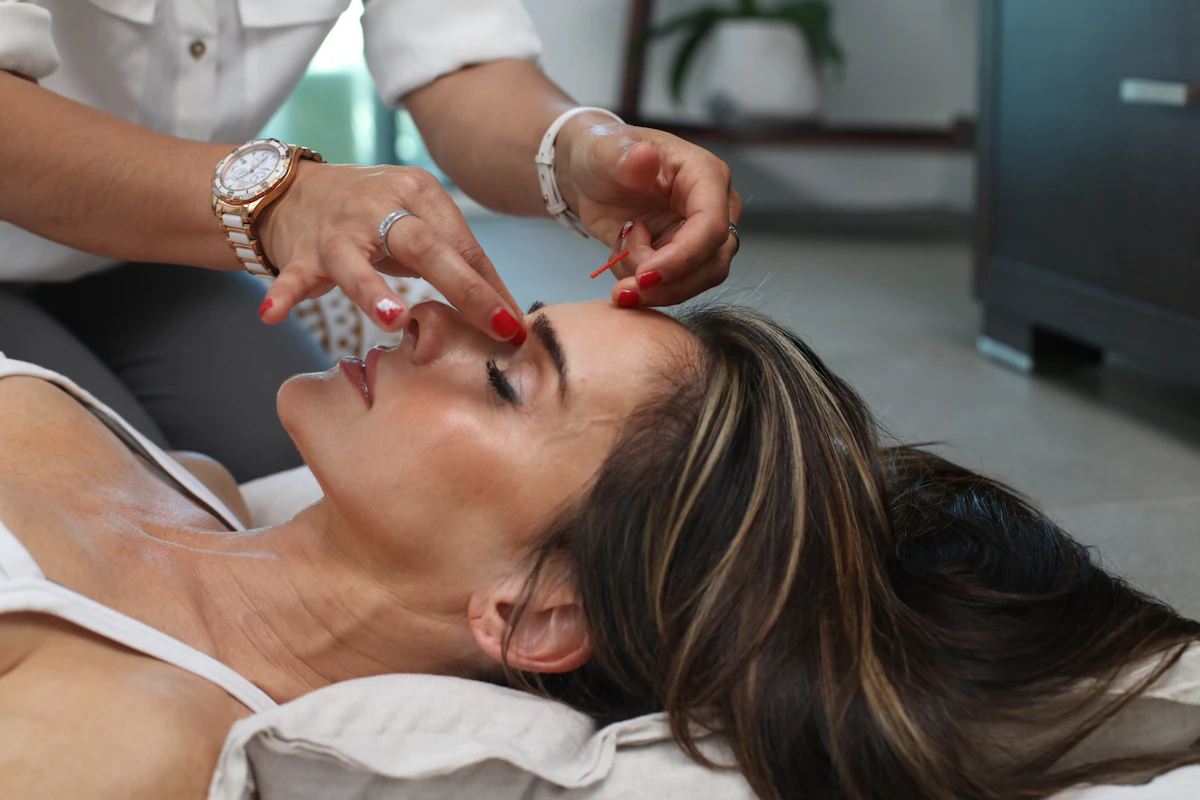
BabyGlow Redensity 1 may be considered for patients who want improved skin hydration, freshness and glow. It is usually planned as part of a skin quality programme. Depending on the clinic’s protocol, it may involve microinjections or other delivery methods.
The aim is not to create a “filled” look. Instead, the goal is smoother, fresher and more hydrated-looking skin. Patients should discuss the number of sessions, treatment areas, possible downtime and maintenance schedule before starting.
Skin boosters
Skin boosters are commonly used for hydration and skin quality. They may be suitable for the face, neck or other selected areas depending on the product and doctor’s assessment. For patients searching for skin booster for glow Kuala Lumpur or hydrated skin treatment KL, the key is to choose a treatment based on skin diagnosis rather than trend alone.
Medical-grade skincare
A well-designed skincare routine can support results. This may include gentle cleanser, moisturiser, sunscreen, pigment-control ingredients, acne-control ingredients or barrier-repair products. The routine should be adjusted according to skin type and tolerance.
Chemical peels
Chemical peels may help with dullness, clogged pores, superficial pigmentation and mild textural issues. However, peel strength must be selected carefully, especially for patients prone to hyperpigmentation.
Laser and light-based treatments
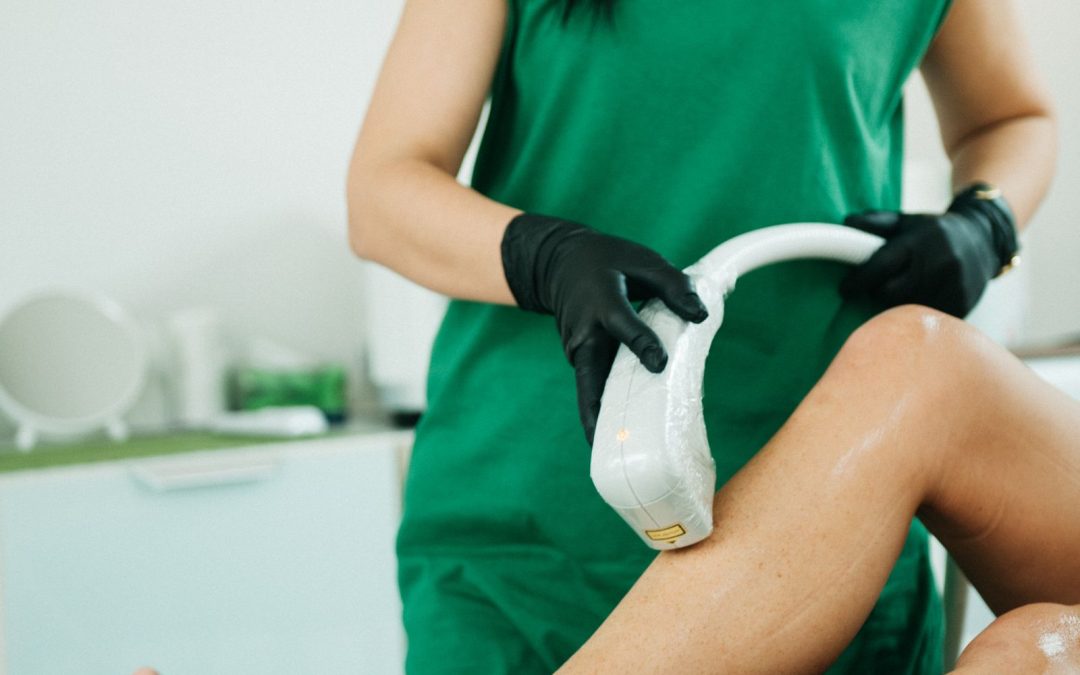
Lasers may help pigmentation, pores, redness, acne marks or collagen stimulation depending on the type of device. However, laser settings must be appropriate for Asian skin types to reduce risk of burns or post-inflammatory pigmentation.
Microneedling or collagen induction therapy
Microneedling may be considered for texture, pores or acne scars. It works differently from BabyGlow because it stimulates controlled wound healing. Downtime may include redness and sensitivity. It may not be suitable during active acne flare.
Acne scar procedures
For acne scars, treatment depends on scar type. Ice-pick, boxcar, rolling and hypertrophic scars often require different approaches. The Mayo Clinic notes that acne scar treatment options may include procedures such as chemical peels, skin needling, laser resurfacing, fillers or other methods depending on the scar. BabyGlow alone should not be marketed as a complete acne scar treatment KL solution if structural scars are present.
Combination treatment planning
Many patients get the best improvement from a staged plan. For example, active acne may be controlled first, then pigmentation treated, then hydration and glow improved, then maintenance planned. This is safer and more realistic than doing everything at once.
Benefits of BabyGlow Redensity 1 for Glass Skin
Improved skin hydration
The most common reason patients choose BabyGlow Redensity 1 is to improve skin hydration and radiance. Hydrated skin often looks plumper, smoother and brighter because it reflects light more evenly.
Fresher-looking complexion
Patients with dull or tired-looking skin may notice that their complexion appears more refreshed after a suitable treatment plan. This can be helpful for working adults in Kuala Lumpur who experience stress, air-conditioning, late nights or frequent sun exposure.
Support for smoother skin texture
BabyGlow may help skin feel smoother and more refined, especially when dullness is related to dehydration or mild roughness. However, it does not replace resurfacing procedures for deeper scars or significant texture irregularities.
Natural-looking improvement
Because the goal is skin quality rather than facial reshaping, results are generally expected to look subtle and natural. This may appeal to patients who want to look fresher without obvious changes.
Complements other aesthetic treatments
BabyGlow may be included as part of a broader aesthetic treatment plan KL. For example, patients may combine skin booster sessions with pigmentation lasers, acne scar treatment, chemical peels or medical skincare, depending on suitability.
Limitations: What BabyGlow Redensity 1 Cannot Do
It cannot erase deep acne scars
Deep pitted acne scars involve structural changes in the dermis. BabyGlow may improve hydration around the area, but it is not designed to fully lift or erase deep scars.
It cannot permanently remove pigmentation
Pigmentation can be complex. Melasma, post-inflammatory hyperpigmentation, freckles and sunspots behave differently. Some pigmentation is recurrent and requires maintenance. Sun exposure can trigger worsening even after treatment.
It cannot make pores disappear
Pores are normal skin structures. Treatments may reduce the appearance of enlarged pores by improving oil control, collagen support or texture, but no treatment can permanently remove pores.
It cannot replace daily sunscreen
Even the best clinic treatment may be undermined by poor sun protection. Sunscreen, shade, hats and avoidance of peak sun exposure remain important.
It cannot guarantee “filter skin”
Social media images are often edited, filtered or taken under controlled lighting. Real skin has pores, lines, shadows and natural variation. A medically responsible clinic should not promise flawless or permanent glass skin.
Realistic Expectations: What Results Should Patients Expect?
Subtle and progressive improvement
BabyGlow Redensity 1 for glass skin should be understood as a progressive skin quality treatment. Some patients may notice early hydration or glow, while others need more time or multiple sessions.
Results vary between individuals
Results depend on skin age, baseline hydration, acne activity, pigmentation, lifestyle, smoking, sleep, skincare routine and sun exposure. A patient with mild dullness may respond differently from someone with active acne, melasma and deep scars.
Maintenance may be needed
Skin continues to age and respond to environment. Maintenance sessions may be recommended depending on the patient’s goals, budget and response. The frequency should be personalised rather than fixed for everyone.
Combination treatment may be more appropriate
If a patient’s main concern is acne scar treatment Kuala Lumpur or pigmentation treatment Kuala Lumpur, BabyGlow may only be one part of the journey. A doctor may recommend treating acne, pigmentation or scars first, then improving hydration and glow.
Good skin is not always “perfect” skin
The best goal is healthier-looking skin, improved confidence and realistic enhancement. Pores, natural lines and small marks are normal.
Safety Considerations
Choose a qualified medical provider
Patients should choose an aesthetic clinic Kuala Lumpur that provides proper consultation, sterile technique, medical documentation and aftercare advice. Injectable treatments should not be done casually or by unqualified individuals.
Discuss allergies and medical history
Patients should inform the doctor about allergies, previous reactions to injectables, autoimmune conditions, blood-thinning medication, supplements, pregnancy, breastfeeding, keloid history, cold sores and recent skin infections.
Avoid treatment during active infection or severe acne flare
Injectable treatment should usually be postponed if there is active infection, open wounds, severe inflamed acne, uncontrolled eczema or skin irritation in the treatment area.
Understand possible side effects
Possible side effects may include redness, swelling, tenderness, small bumps, bruising, itchiness or temporary sensitivity. Rare but more serious complications can occur with injections, so patients should receive clear aftercare instructions and know when to contact the clinic.
Be careful before important events
Because bruising or swelling can happen, patients should avoid doing treatment immediately before a major event. A safer plan allows enough recovery time.
Downtime and Recovery After BabyGlow Redensity 1
Common short-term reactions
After treatment, patients may experience mild redness, swelling, tiny injection marks, small bumps, tenderness or bruising. These are often temporary, but the exact duration varies.
What to avoid after treatment
Patients are commonly advised to avoid touching the treated area unnecessarily, strenuous exercise, sauna, steam room, alcohol, strong exfoliation, harsh active skincare and heavy makeup for a short period after treatment. The exact aftercare instructions should follow the treating doctor’s protocol.
When to contact the clinic
Patients should contact the clinic if they experience worsening pain, spreading redness, pus, fever, unusual swelling, skin colour changes or symptoms that feel abnormal. Early communication is important for safety.
How to support recovery
Gentle cleansing, moisturising and sun protection can support recovery. Patients should avoid experimenting with new strong skincare immediately after treatment.
Image credit: Unsplash
Prevention and Maintenance: How to Keep Skin Looking Fresh
Use sunscreen daily
Daily sun protection is essential for preventing pigmentation from worsening and protecting skin health. This is especially important in Kuala Lumpur, where UV exposure is present throughout the year.
Build a simple routine
A basic routine may include cleanser, moisturiser and sunscreen. Additional products such as vitamin C, niacinamide, retinoids or pigment-control ingredients can be added when suitable, but more products do not always mean better results.
Control acne early
Active acne should be treated early to reduce the risk of marks and scars. Delaying acne treatment can increase the chance of long-term skin changes.
Avoid picking pimples
Picking or squeezing pimples increases inflammation and may worsen marks or scars. Patients who struggle with frequent acne should seek medical treatment instead of repeated extraction or picking.
Maintain hydration and healthy habits
Adequate water intake, sleep, balanced nutrition, stress management and avoiding smoking may support skin health. These lifestyle habits do not replace treatment, but they help maintain results.
Plan maintenance sessions realistically
Skin treatment is usually a journey, not a one-time event. Maintenance may include skincare review, sunscreen compliance, occasional boosters, laser sessions or acne control depending on the patient’s skin condition.
How to Choose an Aesthetic Clinic in Kuala Lumpur for BabyGlow Redensity 1
Look for doctor-led assessment
A doctor-led approach is important because dullness, pigmentation, acne marks and texture can have different causes. The same treatment is not suitable for everyone.
Ask about product, technique and aftercare
Patients should feel comfortable asking what product is used, how it is delivered, what side effects may occur, how many sessions are recommended and what aftercare is needed.
Avoid clinics that promise guaranteed results
A responsible clinic should avoid unrealistic claims such as “permanent glass skin,” “zero downtime for everyone,” “no risk,” or “100% guaranteed results.” Medical treatments always vary from person to person.
Check whether the treatment plan is personalised
A good plan should consider skin type, concerns, lifestyle, budget, tolerance for downtime and long-term maintenance. Patients should not be pressured into unnecessary procedures.
FAQs About BabyGlow Redensity 1 for Glass Skin
1. What is BabyGlow Redensity 1 for glass skin?
BabyGlow Redensity 1 is commonly offered as a skin booster-style treatment to improve hydration, radiance and overall skin quality. It is suitable for selected patients who want fresher, more glowing skin without major facial reshaping.
2. Is BabyGlow Redensity 1 the same as filler?
Not exactly. While both may involve injectable products, the purpose is different. Traditional fillers are often used to restore volume or contour facial features. Skin boosters are generally used to improve skin hydration and quality.
3. Is BabyGlow treatment KL suitable for dull skin?
It may be suitable for some dull skin concerns, especially when dullness is related to dehydration or poor skin quality. However, if dullness is caused by pigmentation, acne, irritation or medical skin disease, other treatments may be needed.
4. Can BabyGlow remove pigmentation?
BabyGlow may improve overall glow, but it is not a complete pigmentation treatment. Pigmentation needs proper diagnosis because melasma, freckles, sunspots and post-acne marks require different plans.
5. Can it treat acne scars?
It may improve general skin quality, but deeper acne scars usually need specific acne scar procedures. Patients searching for acne scar treatment Kuala Lumpur should undergo scar assessment first.
6. How many sessions are needed?
The number of sessions depends on the patient’s skin condition, goals and response. Some patients may be advised to do a series of treatments followed by maintenance, but this should be personalised.
7. Is there downtime?
There may be mild redness, swelling, small bumps, tenderness or bruising. Downtime varies depending on injection technique, skin sensitivity and individual healing.
8. Can I wear makeup after treatment?
Many clinics advise avoiding makeup for a short period after injectable treatments to reduce irritation or contamination risk. Follow the specific aftercare instructions from your treating doctor.
9. When will I see results?
Some patients may notice improved hydration or glow within weeks. More visible results may require time and repeated sessions, especially if the skin is dehydrated or damaged.
10. Is BabyGlow painful?
Discomfort varies. Numbing cream may be used depending on clinic protocol. Patients may still feel mild pricks, pressure or tenderness.
11. Is it suitable before a wedding or event?
It can be planned before an event, but not too close to the date because bruising or swelling may occur. A doctor can advise a suitable timeline.
12. Is it safe for sensitive skin?
It depends on the cause of sensitivity. Patients with active eczema, irritation or inflamed skin may need stabilisation first. A consultation is important.
13. Can men do BabyGlow Redensity 1?
Yes, suitable male patients may consider it for dullness, tired-looking skin or dehydration. The treatment goal can be adjusted to look natural.
14. Can I combine BabyGlow with laser?
In some cases, yes. However, timing and sequence matter. A doctor should plan whether laser, skin booster, peel or skincare should come first.
15. How do I maintain results?
Maintenance usually involves sunscreen, suitable skincare, hydration, healthy lifestyle and follow-up treatments when needed.
Conclusion
BabyGlow Redensity 1 for glass skin can be a useful option for selected patients who want fresher, smoother, more hydrated and naturally radiant-looking skin. It may be especially appealing for those searching for glass skin treatment Kuala Lumpur, skin booster for glow Kuala Lumpur, dull skin treatment Kuala Lumpur or hydrated skin treatment KL.
However, it is important to understand what the treatment can and cannot do. BabyGlow may support hydration and glow, but it should not be expected to erase deep acne scars, permanently remove pigmentation, eliminate pores or create flawless filter-like skin. The best results usually come from a proper diagnosis, a personalised treatment plan, consistent skincare, sun protection and realistic expectations.
For patients in Kuala Lumpur who are unsure whether their concern is dehydration, dullness, acne marks, pigmentation or skin texture, a doctor-led consultation is the safest first step. Millennium Clinic Kuala Lumpur offers consultation and personalised treatment planning for patients who want to explore skin booster options such as BabyGlow Redensity 1 as part of a responsible, medically guided skin quality journey.
Image credit: Unsplash

References
- American Academy of Dermatology Association. Face washing 101.
https://www.aad.org/public/everyday-care/skin-care-basics/care/face-washing-101 - Centers for Disease Control and Prevention. Sun Safety.
https://www.cdc.gov/skin-cancer/sun-safety/index.html - Bravo B, et al. Benefits of topical hyaluronic acid for skin quality and signs of skin aging. PubMed Central, National Institutes of Health.
https://pmc.ncbi.nlm.nih.gov/articles/PMC10078143/ - Mayo Clinic. Acne: Symptoms and causes.
https://www.mayoclinic.org/diseases-conditions/acne/symptoms-causes/syc-20368047 - Mayo Clinic. Acne: Diagnosis and treatment.
https://www.mayoclinic.org/diseases-conditions/acne/diagnosis-treatment/drc-20368048 - Mayo Clinic. Acne scars: What’s the best treatment?
https://www.mayoclinic.org/diseases-conditions/acne/expert-answers/acne-scars/faq-20058101


0 Comments