

Dr Diana Salim
Aesthetic doctor at Millennium Clinic Kuala Lumpur. Learn about her background and approach to individual assessment on her doctor profile.
TABLE OF CONTENTS
- Introduction
- Key Takeaways
- Why Acne Can Leave Different Scar Patterns
- Pitted Scars: A Different Structural Problem
- Hypertrophic Scars and Keloids
- Not Every Bump Is a Raised Scar
- What Increases the Need for Caution?
- A Comparison of the Main Patterns
- Professional Assessment in Kuala Lumpur
- Treatment Approaches for Raised Scars
- Why Surgery Needs a Recurrence Discussion
- Why Pitted-Scar Procedures Are Not Automatic Choices
- Skin Boosters and Sylfirm X: Clarify the Goal
- Benefits, Limitations and Follow-up
- Safety and Recovery
- Prevention and Future Procedures
- FAQs
- Conclusion
- References
Introduction
Raised acne scars need a different treatment discussion from the depressions often described as pitted scars. At Millennium Clinic Kuala Lumpur, an examination should determine whether a bump is a scar, active acne or another lesion before any cosmetic procedure is selected. Trying to fill a depression and trying to reduce excess scar tissue are not the same clinical goal.
For Malaysian patients researching raised acne scars and keloids, understanding that difference can prevent an unsuitable treatment choice. This guide explains the main patterns, what an assessment may involve and why recurrence, discomfort and pigmentation deserve discussion alongside appearance. It does not diagnose a particular bump from a description or suggest that one device can treat every acne-scar type.
Key Takeaways
| Key Point | Summary |
|---|---|
| Raised versus pitted | Raised scars involve excess scar tissue; pitted scars involve a depressed contour. |
| Hypertrophic scar | A raised scar generally confined to the area of the original injury. |
| Keloid | Scar tissue that can extend beyond the original wound area. |
| Diagnosis first | Not every persistent bump after acne is a scar. |
| Treatment goal | Reduce symptoms or prominence with a scar-specific approach, not a generic filling plan. |
| Realistic expectations | Improvement may be incomplete and keloids can recur after treatment. |
Why Acne Can Leave Different Scar Patterns
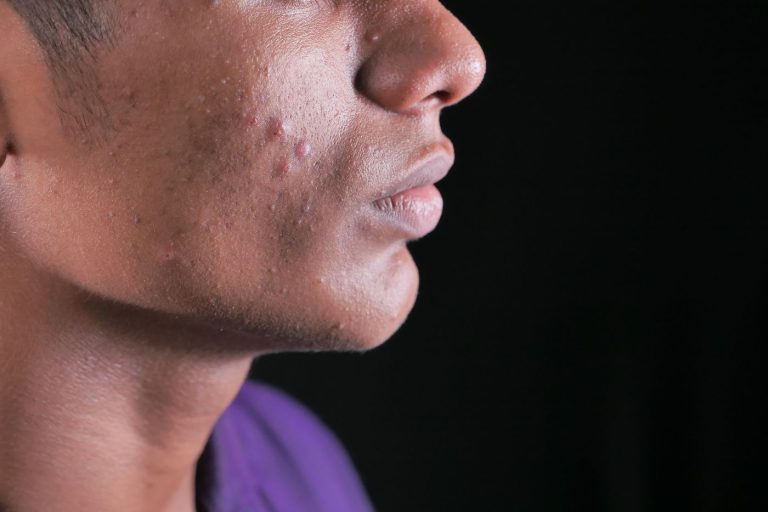
Skin repair after inflammation does not always produce the same contour. Some scars appear depressed, while others become raised. The pattern can depend on the original inflammation, healing response and other individual factors. A person may have several scar types in different areas, so one treatment used across the whole face may not address every feature appropriately.
DermNet describes both atrophic and raised forms of acne scarring. Their biological and structural differences help explain why treatment selection varies. A procedure designed for one pattern should not automatically be applied to the other just because both followed acne.The clinician should identify the lesions being targeted and separate scars from ongoing disease. An inflamed bump that is still changing may need acne management rather than a scar procedure. A stable raised area may need a scar-specific assessment. The history of when the lesion appeared and how it has behaved is therefore important.
Our guide to combination treatment planning for acne scars explains why separate features may require different approaches.
Pitted Scars: A Different Structural Problem
Pitted scars include depressions with different shapes, depths and degrees of tethering. Some are broad and shallow; others are narrow or sharply edged. Treatments may aim to release an attachment, address a particular pit or improve surrounding texture. The chosen method depends on the examination and the realistic degree of improvement expected.
The AAD explains that acne scars can include sunken or raised changes and usually do not disappear completely on their own. The presence of an old scar does not mean it must be treated, but it should be identified accurately if a patient wants intervention.
For more on depressions, the clinic’s rolling, boxcar and ice-pick scar guide provides a separate overview. The important point here is that a raised lesion should not be assumed to need the same filling or collagen-focused approach used for a depression.
Hypertrophic Scars and Keloids
A hypertrophic scar is raised but generally remains within the original injured area. A keloid can extend beyond that area. The distinction may not be obvious to a patient, especially when the original acne lesion was small or poorly remembered. A clinical examination and history help determine which pattern is present.
The AAD notes that keloids can be uncomfortable and may require more than one treatment approach. Recurrence is an important limitation. A promise of permanent removal after one session should therefore be treated cautiously.
Symptoms can include itching, tenderness or discomfort from rubbing. A patient’s priorities may be relief from those symptoms rather than complete flattening. Discussing both function and appearance allows a more useful treatment goal than assuming that every patient wants the largest possible visible change.
Not Every Bump Is a Raised Scar
Persistent acne, an inflamed follicle, a cyst or another skin lesion can resemble a scar to a non-specialist. A bump that grows, drains, bleeds, ulcerates or changes unexpectedly needs appropriate assessment. Do not start a scar-removal product simply because the lesion is located where acne used to occur.
Some conditions have names that include the word keloid without being ordinary keloid scars. This is another reason not to diagnose a neck or scalp bump from an internet search. The clinician should identify the actual condition and explain whether treatment is directed at inflammation, a scar or another process.
If the diagnosis is uncertain, the doctor may recommend further investigation or referral. Not every typical scar requires a biopsy, but destroying an uncertain lesion with an aesthetic procedure can remove useful diagnostic information. Ask whether there is any reason to investigate the area before treating its appearance.
What Increases the Need for Caution?
A personal or family tendency to form raised scars is relevant. Tell the clinician about previous scars after surgery, piercing, vaccination, cuts or acne. The location, severity and behaviour of those scars can help inform future procedure choices. Do not omit a history because a scar occurred on the chest rather than the face.
Skin tone and previous pigment responses also matter, but ethnicity alone does not establish the correct treatment. A person may be prone to both raised scarring and post-inflammatory colour change. The plan needs to consider the potential effect on contour, symptoms and pigmentation rather than focusing on flattening alone.
Ongoing acne can create new lesions alongside old scars. Controlling that disease remains relevant even when a raised scar is being treated. Picking, squeezing or repeatedly injuring the area can create additional inflammation and should not be used as a method of scar correction.
A Comparison of the Main Patterns
| Feature | Pitted scar | Hypertrophic scar | Keloid |
|---|---|---|---|
| Contour | Depressed below surrounding skin | Raised above the skin | Raised, sometimes with growth beyond the original area |
| Main structural concern | Loss of support or an altered attachment | Excess scar tissue within the original area | Excess scar tissue with a different growth pattern |
| Assessment priority | Shape, depth and tethering | Extent, symptoms and scar behaviour | Diagnosis, extension, symptoms and recurrence history |
| Treatment expectation | Selected improvement, not guaranteed erasure | Potential reduction in prominence or symptoms | Potential improvement with a meaningful recurrence discussion |
This comparison supports an examination; it is not a reliable way to diagnose a lesion from home. The same area can also contain colour changes or active acne that require separate attention.
Professional Assessment in Kuala Lumpur
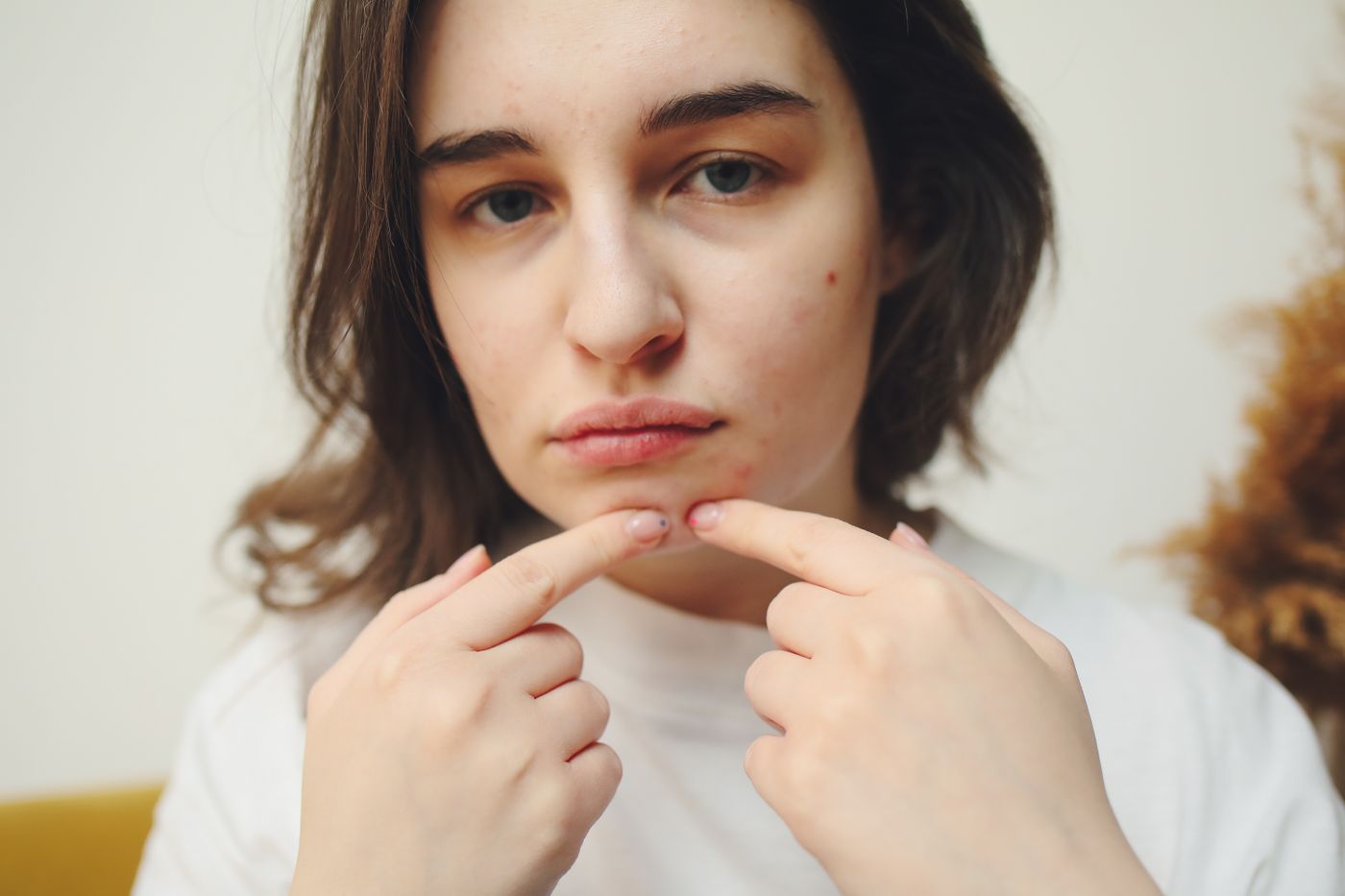
Bring a history of when the raised areas appeared, whether they are growing and whether they itch or hurt. Explain previous treatments, including injections, surgery, lasers, cryotherapy or products used at home. Note whether the area improved temporarily and then returned. That history can help the clinician understand response and recurrence rather than starting from scratch.
The examination may include the surrounding skin and other scars. The clinician should ask which outcome would be meaningful: less itching, less prominence, reduced rubbing or an appearance change. The goal can then be matched to a reasonable plan and a follow-up point. Treatment should remain optional when the concern is cosmetic and the patient does not want intervention.
Treatment Approaches for Raised Scars
The AAD describes treatments such as clinician-administered corticosteroid injections and other scar-specific options for raised scars. Selection depends on the scar and patient. These are medical decisions, not a reason to buy prescription products or attempt injections at home.
Other approaches may be discussed in appropriate cases, including selected laser treatment, silicone-based care on suitable healed skin, cryotherapy or a combination. The choice depends on the diagnosis, site and previous response. Different options have different effects on symptoms, contour, pigmentation and recovery, so the clinician should explain the purpose of each.
Do not assume that the most intensive option is necessary first. A smaller, focused plan may be reasonable for a symptomatic scar, while a recurrent or complex lesion may need specialist input. A useful recommendation explains the expected benefit and the likelihood of further treatment rather than promising a quick permanent correction.
Why Surgery Needs a Recurrence Discussion
Removing a keloid surgically creates another wound in skin that may be prone to excessive scarring. For that reason, surgery should not be treated as a simple equivalent of cutting away an ordinary skin tag. A specialist may discuss additional measures or another strategy according to the particular case.
Ask how recurrence will be addressed and what follow-up is planned. A scar becoming flatter initially does not guarantee that it will remain unchanged. If a lesion has already returned after surgery, bring the records of that procedure and subsequent management so that the next plan takes the history into account.
Why Pitted-Scar Procedures Are Not Automatic Choices
Filling a depression and reducing an overgrown scar have different objectives. An injectable marketed to stimulate collagen should not be assumed to flatten every raised acne scar. Similarly, a device used for pitted texture needs an indication and safety assessment before it is applied to raised or keloid-prone tissue.
The Mayo Clinic discusses different acne-scar treatments and cautions about procedure-related risks in people with a keloid history. This supports telling the clinician about that tendency before any elective skin injury. A general claim of suitability for all scars is not a sufficient explanation.
Our explanation of subcision for rolling scars provides further context for discussing tethering with your doctor.
Skin Boosters and Sylfirm X: Clarify the Goal
Patients who have read about skin boosters or Sylfirm X for acne scars should ask which scar pattern those discussions concern. Skin-quality improvement around a depression is not the same as treatment of a raised scar. The doctor should identify the exact product or device, the proposed indication and the strength of evidence for that use.
Combining treatments does not remove the need for this distinction. Each component should have a reason, and the possible risks should be discussed together. A patient with mixed scars may require different approaches in different areas rather than every procedure being applied indiscriminately across the face.
For a focused comparison of the two approaches, read skin boosters versus Sylfirm X for acne scars.
Benefits, Limitations and Follow-up
A meaningful outcome may be a softer, less itchy or less prominent scar. It may still remain visible. Different symptoms and features can improve to different degrees, so agree on what will be assessed. Photographs can document appearance, while a symptom record can help when itching or discomfort is the main complaint.
Follow-up allows the clinician to judge response, monitor adverse effects and decide whether further treatment remains appropriate. It should not be assumed that more sessions always produce more benefit. Persistent growth, a poor response or an uncertain diagnosis may justify a changed approach or referral.
Safety and Recovery
Discuss potential pain, pigment changes, thinning or other local effects associated with the chosen treatment. The risks differ between injections, freezing, devices and surgery. A person who has previously developed dark marks or abnormal scars should have those concerns recorded. Pregnancy, relevant medicines, allergies and healing problems also need appropriate review.
Aftercare should match the actual intervention. Ask how to clean or protect the area, whether a dressing is needed and when usual products can be resumed. Do not pick, cut or apply strong acids to the scar. Increasing pain, spreading redness, discharge, fever or an open area that is not healing as expected needs medical advice.
In Malaysia’s humid climate, clothing friction and sweating can affect comfort, particularly on the chest, shoulders or jawline. Discuss practical steps for your work and activities rather than relying on generic advice. Avoid scheduling a procedure immediately before an event if visible recovery would be difficult to manage.
Prevention and Future Procedures
Treat active acne appropriately and avoid picking or repeatedly traumatising lesions. If you know you form keloids, discuss that history before piercings, surgery or elective procedures that injure the skin. Prevention is not guaranteed, but a clinician can help assess whether an avoidable procedure is worth its risk.
Do not interpret a history of raised scars as a reason to avoid all medical care. Necessary treatment can still be planned with suitable precautions. The relevant question is how the history changes a particular procedure, not whether the person is categorically untreatable.
FAQs
Is a raised acne scar the same as a pitted scar?
No. They have different contours and treatment goals. A raised lesion also needs confirmation that it is a scar rather than ongoing acne or another condition.
Can a keloid extend beyond the original pimple?
Keloids can grow beyond the original injured area. That pattern is one factor a clinician considers, but it is not a reliable self-diagnosis rule. Bring any record of how the lesion changed.
Are raised scars always painful?
No. Some cause itching or tenderness, while others mainly concern the patient because of appearance. Absence of pain does not establish the diagnosis or determine whether treatment is necessary.
Can I use a filler to flatten a raised scar?
Do not assume that a filling or collagen-stimulating treatment fits an overgrown scar. The clinician should identify the scar type and explain a scar-specific approach rather than applying a pitted-scar plan automatically.
Will removing a keloid stop it returning?
That cannot be guaranteed. Recurrence is an important part of the discussion, particularly with surgery. Ask how the proposed plan addresses it and how follow-up will be arranged.
Can I use an acid or cut it off at home?
No. Home injury can cause bleeding, infection, burns or more scarring, and the diagnosis may be wrong. A raised or changing lesion should be assessed before treatment.
What if I have both raised and pitted scars?
The plan may use different approaches for different areas. A mixed pattern is a reason for careful mapping, not for treating every lesion with the same procedure.
Does a keloid history matter before microneedling or other devices?
Yes. Tell the clinician before any elective procedure. Suitability should be assessed for the exact method and area rather than inferred from a general statement that a treatment works for acne scars.
Conclusion
Raised acne scars and keloids require a different assessment from pitted scars, with attention to symptoms, growth and recurrence. Identifying the actual lesion protects patients from a treatment aimed at the wrong structural problem. Improvement can be worthwhile without promising complete or permanent removal.
Millennium Clinic Kuala Lumpur offers doctor-led acne scar assessment and keloid treatment planning. Discuss the history and behaviour of each lesion so that recommendations reflect the scar pattern, your priorities and realistic limits rather than a universal device-based package.
References
Medical disclaimer
This article is for general education and does not replace a consultation, diagnosis or treatment plan from a qualified medical practitioner. Suitability, risks, recovery and outcomes vary between individuals. Do not start, stop or change medicines or treatment based on this article alone. Seek prompt medical attention for concerning symptoms and do not delay care because of information you read online.
Recent articles by Dr Diana Salim
Explore more patient-friendly guides from Millennium Clinic Kuala Lumpur.
-
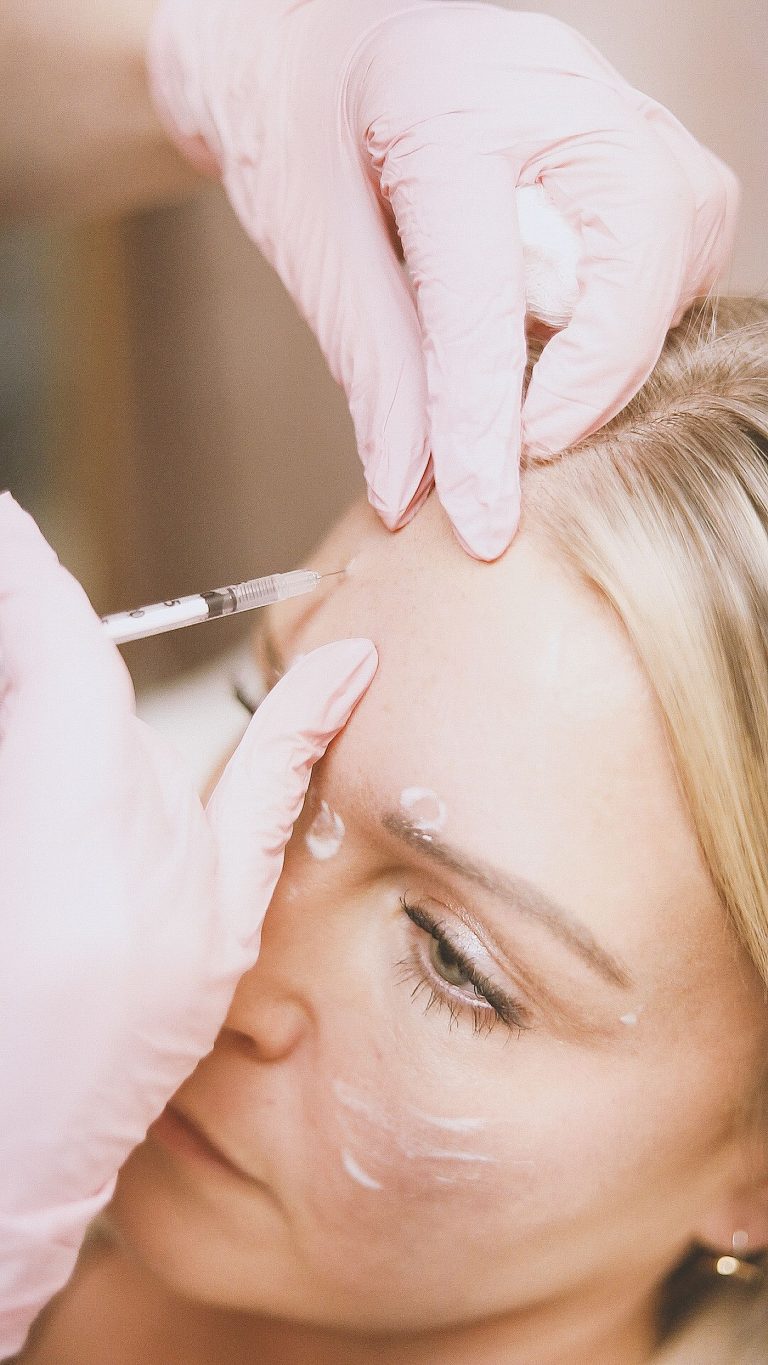
Sculptra for Facial Lines: When Volume Loss, Movement or Sun Damage Changes the Plan
Explore which facial-line concerns may suit Sculptra and why muscle movement, surface damage and volume loss can need…
-

Why HIFU May Not Be Enough for Heavy Jowls or Excess Neck Skin
Understand why heavy jowls and excess neck skin may exceed HIFU’s capabilities, and how anatomy guides alternatives and…
-
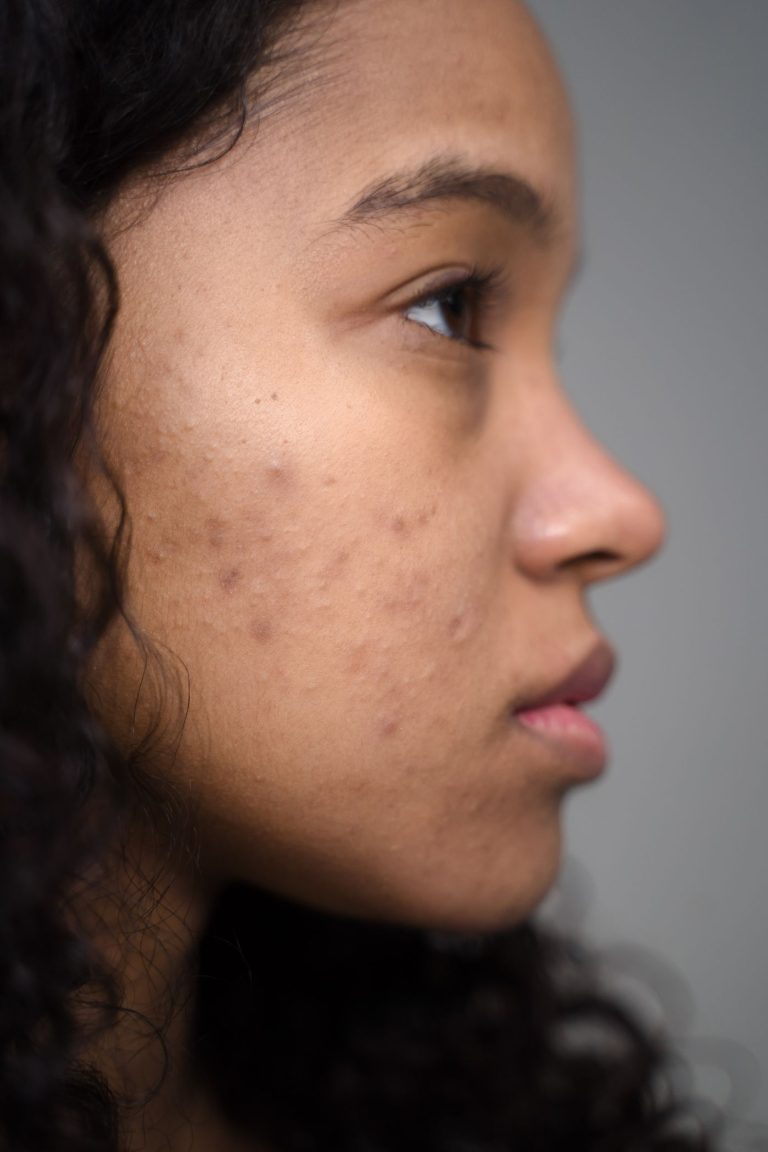
Why Acne Scars Look Worse in Certain Lighting: How to Track Real Treatment Progress
Learn why lighting changes the appearance of acne scars and how consistent photographs and clinical reviews help assess…
-
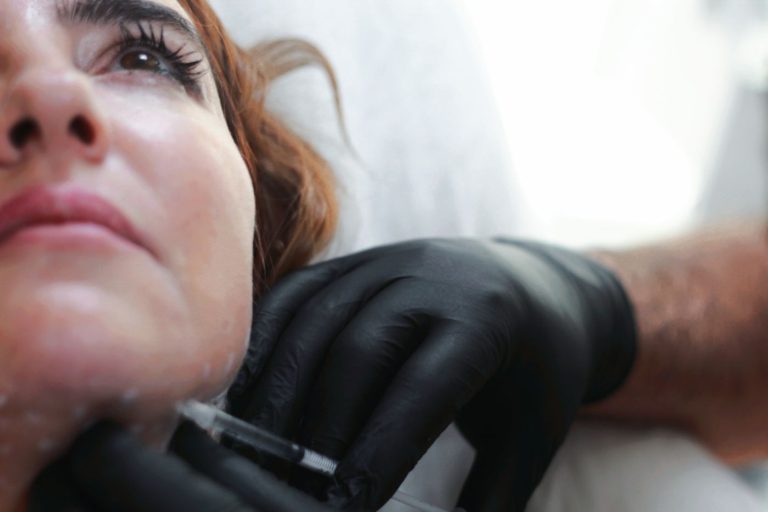
Lumps After Sculptra: Early Swelling, Nodules and When to Seek Medical Review
Understand why lumps after Sculptra need assessment, how early swelling differs from delayed nodules, and which symptoms need…
-
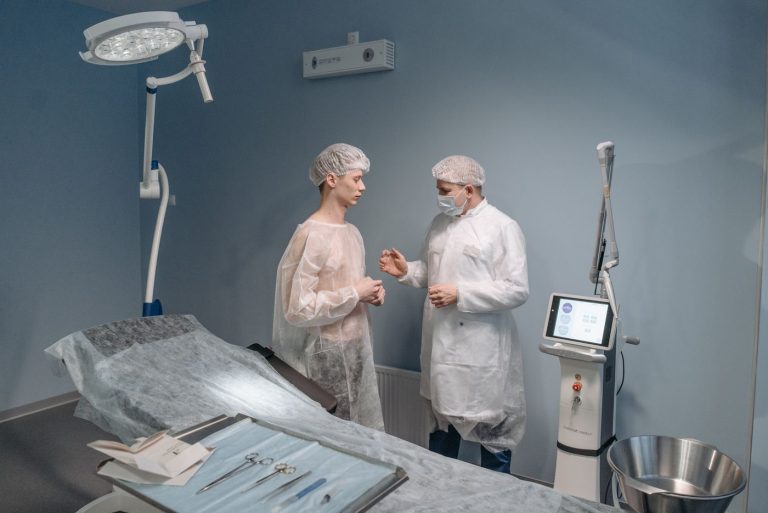
HIFU After Previous Fillers or Threads: What Your Doctor Needs to Know
Learn what to disclose before HIFU after fillers or threads, why timing and placement matter, and why a…
-
Acne Scar Treatment for Darker Skin: Reducing the Risk of Post-Inflammatory Pigmentation
Understand pigmentation risk during acne-scar treatment, why skin history matters, and practical precautions for Malaysian skin tones.
-

Sculptra After Significant Weight Loss: Why Weight Stability and Facial Assessment Matter
Explore how weight stability, facial volume and skin laxity affect Sculptra planning after weight loss, and when medical…
-

HIFU or Botox for Facial Lines? Why Skin Laxity and Muscle Movement Need Different Treatments
Compare HIFU and Botox by the cause of facial lines, including skin laxity, expression and texture, with realistic…
Visit Millennium Clinic Kuala Lumpur
KL Eco City Mall, Bangsar
Lot L3-22A, KL Eco City Mall,
59200 Bangsar, Kuala Lumpur.
Phone: 019-3100836
Email: hello@millenniumclinickl.com