
Acne Scars vs Pigmentation: How to Tell the Difference Before Choosing Treatment
Many people in Kuala Lumpur search for acne scar treatment, pigmentation treatment or dark acne marks treatment because they feel frustrated when the skin still looks uneven long after active pimples have healed. The confusing part is that not every mark left after acne is a true scar. Some are acne scars, meaning there is a change in skin texture or contour. Others are pigmentation, meaning the skin colour has changed but the surface may still feel flat and smooth.
Understanding acne scars vs pigmentation is important before choosing treatment because the best option depends on what is actually happening in the skin. A brown mark, red mark, shallow dent, deep pit and raised scar are not treated the same way. Choosing the wrong treatment may lead to slow progress, unnecessary cost, irritation, or higher risk of side effects, especially for Asian skin tones that may be more prone to post-inflammatory pigmentation.
This article explains how to tell the difference between acne scars and pigmentation, why they happen, how doctors assess them, and what treatment options may be considered at an aesthetic clinic in Kuala Lumpur. It is written for patient education and should not replace a proper consultation with a qualified doctor.
| Key Point | Summary |
|---|---|
| What is the main difference between acne scars and pigmentation? | Acne scars usually involve texture change, such as dents, pits, uneven surface or raised tissue. Pigmentation usually involves colour change, such as brown, grey, red or dark marks, while the skin surface remains mostly flat. |
| Can pigmentation fade on its own? | Some post-acne pigmentation may gradually fade over months, especially with sun protection and control of active acne. Deeper or stubborn pigmentation may need medical skincare or clinic-based treatment. |
| Can acne scars disappear completely? | True acne scars are often more permanent because the skin structure has changed. Treatments may improve their appearance, but complete removal should not be promised. |
| Which is treated first: acne, scars or pigmentation? | Active acne should usually be controlled first to prevent new marks and scars. After that, treatment can target pigmentation, texture, scars or overall skin quality. |
| Is laser always the best treatment? | Not always. Acne scar laser Kuala Lumpur searches are common, but laser may be only one part of a plan. Some patients need topical treatment, peels, microneedling, subcision, radiofrequency, skin boosters or combination therapy. |
| Why is skin assessment important? | A doctor can identify whether the concern is pigmentation, red marks, atrophic scars, hypertrophic scars, enlarged pores, uneven texture or mixed concerns. This helps reduce trial-and-error treatment. |
| Is treatment suitable for Malaysian skin tones? | Many treatments can be suitable when selected carefully, but darker or easily pigmented skin may need conservative settings, good sun protection and proper aftercare. |
Image credit: Unsplash
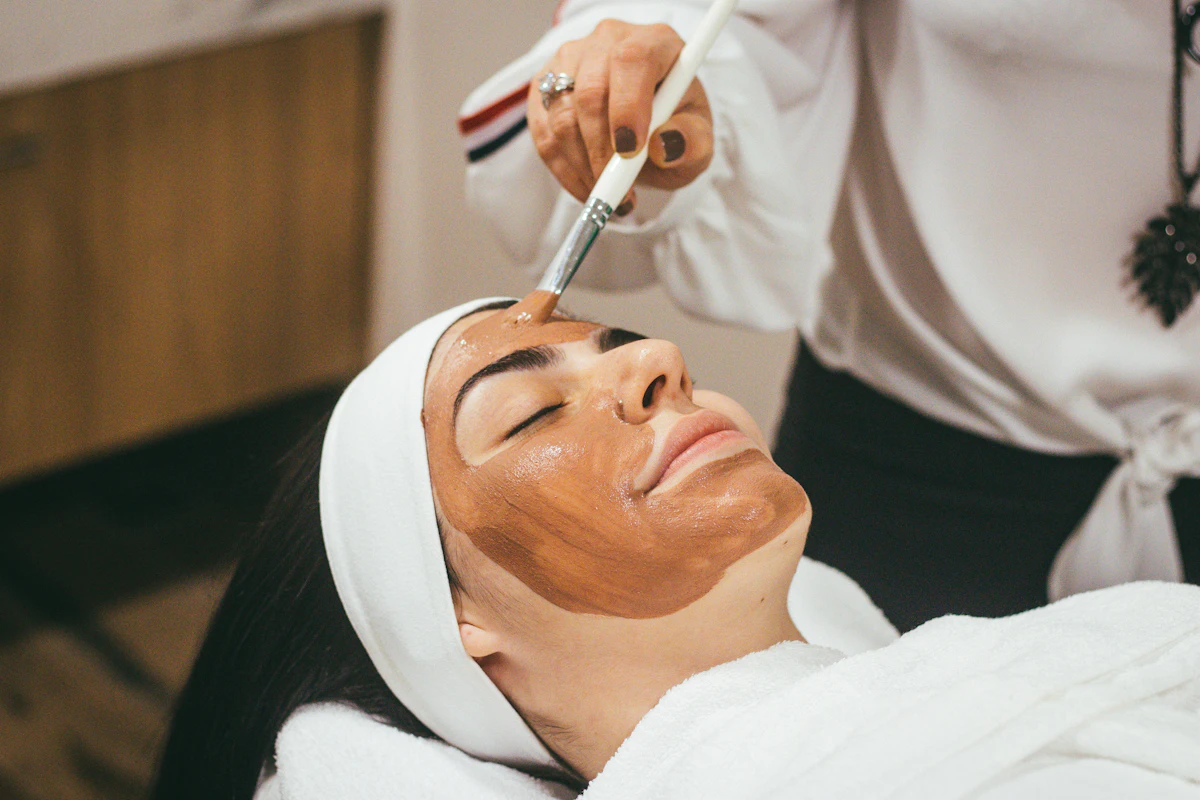
Understanding Acne Scars vs Pigmentation
The phrase “acne scars” is often used by patients to describe everything left behind after pimples. However, medically, there is an important difference between a true scar and a post-acne mark.
What Are Acne Scars?
Acne scars are changes in the skin’s structure after inflammation damages deeper layers of the skin. A scar can form when the body repairs injured skin with new collagen. According to MedlinePlus, scars can form after acne and may appear different in thickness, colour or texture from surrounding skin. This means the issue is not only colour; the skin’s shape and surface may also be affected.
Common acne scar types include:
Atrophic Acne Scars
Atrophic scars are depressed or indented scars. They happen when there is a loss of collagen during healing. These scars are common on the cheeks and temples.
They may appear as:
Ice pick scars, which look like narrow, deep pits.
Boxcar scars, which are wider depressions with sharper edges.
Rolling scars, which create a wavy or uneven skin surface.
Hypertrophic or Keloid Scars
Some scars are raised rather than depressed. They may occur when the skin produces too much collagen during healing. Keloid-prone individuals may develop thick, raised scars that extend beyond the original acne area.
What Is Pigmentation?
Pigmentation after acne usually refers to colour change left behind after inflammation. The skin may look brown, grey-brown, red, pink or purple, depending on skin tone, depth of pigment and blood vessel activity.
The most common pigment-related issue after acne is post-inflammatory hyperpigmentation, often shortened as PIH. NIH’s StatPearls explains that post-inflammatory hyperpigmentation results from excess melanin production and irregular pigment distribution after skin inflammation or injury, including acne.
Pigmentation can look alarming, but unlike true scarring, the skin surface is often flat. The concern is mainly colour rather than a dent or raised area.
Why Patients Often Confuse the Two
Patients commonly search for acne marks treatment KL because the same acne breakout can leave both scars and pigmentation. For example, one large inflamed pimple may leave a brown mark and a shallow dent in the same spot. Under bathroom lighting, the colour may be more obvious. Under side lighting, the texture may become clearer.
That is why a proper skin assessment is important before choosing acne scar treatment Kuala Lumpur or pigmentation treatment Kuala Lumpur.
Symptoms and Skin Concerns
Acne scars and pigmentation can affect appearance in different ways. Knowing what to look for can help you describe your concern more clearly during consultation.
Signs That Suggest Pigmentation
Pigmentation is more likely when the mark is flat and mainly darker than the surrounding skin. It may appear light brown, dark brown, grey-brown or sometimes reddish depending on the type of mark.
You may notice that:
The skin feels smooth when you run your finger across it.
The mark becomes darker after sun exposure.
The concern looks worse in photos with bright lighting.
There is no obvious dent when viewed from the side.
The spot slowly fades over time but may take months.
In Malaysian skin tones, brown post-acne marks are common because melanocytes can react strongly after inflammation. Picking, squeezing, harsh exfoliation and sun exposure can make these marks more stubborn.
Signs That Suggest Acne Scarring
Acne scarring is more likely when the skin texture has changed. You may see dents, pits, uneven surface, enlarged-looking pores, wavy shadows or raised tissue.
You may notice that:
The mark looks worse under side lighting.
Makeup does not fully hide the uneven texture.
The skin surface feels bumpy, uneven or indented.
The area remains unchanged for a long time.
There are multiple scar types on the same cheek.
True acne scars often need procedures that remodel collagen, release tethered scars or improve surface texture. Creams alone usually have limited effect on deeper scars.
Signs of Mixed Acne Marks and Scars
Many patients have a combination of both. For example, post-acne marks KL concerns may include flat brown spots, red marks, shallow rolling scars and enlarged pores at the same time. This is why a customised plan is usually more realistic than choosing one treatment based only on online photos.
Causes of Acne Scars and Pigmentation
To choose the right treatment, it helps to understand why scars and pigmentation happen.
How Acne Starts
Acne develops when hair follicles become blocked with oil and dead skin cells. It can cause whiteheads, blackheads, inflamed bumps, pustules or deeper nodules. Mayo Clinic describes acne as a condition where hair follicles become plugged with oil and dead skin cells, leading to pimples and related lesions.
When inflammation is mild and superficial, the skin may heal with temporary redness or pigmentation. When inflammation is deeper or more severe, collagen damage may occur, increasing the risk of permanent scarring.
Why Pigmentation Happens After Acne
Post-inflammatory hyperpigmentation happens when inflammation triggers melanocytes, the pigment-producing cells in the skin, to produce more melanin. This melanin may collect in the upper or deeper skin layers. The deeper the pigment, the longer it may take to fade.
In acne, pigmentation may be triggered by:
Inflamed pimples.
Picking or squeezing acne.
Harsh scrubs or over-exfoliation.
Sun exposure after inflammation.
Irritating skincare products.
Delays in treating active acne.
Why Acne Scars Happen
Acne scars form when inflammation damages the deeper skin structure. If the body produces too little collagen during healing, depressed scars may appear. If the body produces too much collagen, raised scars may form.
Scarring risk increases when acne is deep, painful, cystic, frequently inflamed or untreated for a long time. MedlinePlus advises not to squeeze, scratch, pick or rub pimples because this can lead to slower healing, infection and scarring.
Risk Factors
Not everyone with acne develops scars or pigmentation. Several factors can increase risk.
Risk Factors for Pigmentation
Post-acne pigmentation may be more common or more noticeable in medium to darker skin tones. This is relevant for many Malaysian patients because Asian skin can be more prone to visible brown marks after inflammation.
Risk factors include:
Frequent sun exposure.
Not using sunscreen consistently.
Picking or squeezing pimples.
Using harsh whitening or exfoliating products.
Inflammatory acne.
History of eczema or skin sensitivity.
Previous irritation after aesthetic procedures.
Risk Factors for Acne Scars
Scarring risk may be higher when acne is severe, deep or long-lasting. Family history can also play a role. Some people naturally scar more easily, even from relatively small inflammatory lesions.
Risk factors include:
Cystic or nodular acne.
Delayed treatment of active acne.
Frequent picking or popping.
Repeated inflammation in the same area.
History of keloids or raised scars.
Poorly controlled acne.
Aggressive skincare that worsens inflammation.
Diagnosis and Skin Assessment
Before choosing between acne scar laser Kuala Lumpur, pigmentation treatment Kuala Lumpur, chemical peels, microneedling, skincare or injectables, the skin should be assessed properly.
Why Visual Assessment Matters
A doctor usually examines the skin under good lighting and may use different angles to identify whether the concern is colour, texture or both. Side lighting can reveal depressed scars that are not obvious in front-facing light.
A proper assessment may include:
Type of acne marks.
Depth and type of acne scars.
Presence of active acne.
Skin sensitivity.
Skin tone and pigmentation risk.
Previous treatments.
Skincare routine.
Sun exposure habits.
Medical history and medication use.
Questions Your Doctor May Ask
During consultation at an aesthetic clinic Kuala Lumpur, you may be asked:
How long have the marks been present?
Are you still getting active acne?
Do the marks feel flat or indented?
Have you used topical steroids or whitening creams?
Have you done lasers, peels or facials before?
Do you scar easily?
Are you pregnant, breastfeeding or on acne medication?
How much downtime can you accept?
These questions help the doctor choose safer and more suitable treatment options.
Why Active Acne Should Be Treated First
If new pimples continue to appear, new pigmentation and scars may keep forming. For many patients, the first step is acne control. This may include medical skincare, topical acne medication, oral medication where appropriate, lifestyle review and gentle skin barrier care.
Once acne is better controlled, scar and pigment treatments become more effective because the skin is not constantly dealing with new inflammation.
Image credit: Unsplash

Treatment Options for Pigmentation
Pigmentation treatment depends on whether the mark is brown, grey-brown, red, superficial, deep, recent or long-standing. It also depends on skin tone and sensitivity.
Medical Skincare
Medical skincare may include ingredients that reduce pigment production, encourage gentle skin turnover and support the skin barrier.
Commonly considered ingredients include:
Azelaic acid.
Retinoids.
Vitamin C.
Niacinamide.
Alpha hydroxy acids.
Tranexamic acid.
Hydroquinone where medically appropriate.
Sunscreen.
Not every ingredient suits every patient. Overuse can irritate the skin and worsen pigmentation. Patients with sensitive skin may need a slower introduction.
Sunscreen and Photoprotection
Sun protection is one of the most important steps in pigmentation management. UV exposure can darken existing marks and slow fading. Mayo Clinic notes that sunscreen can help limit the contrast between unscarred skin and a scar, and the same principle is often important when managing visible post-acne colour changes.
For Malaysian weather, daily sunscreen is especially important because UV exposure is high throughout the year. Sunscreen should be applied in adequate amount and reapplied when outdoors, sweating or after washing the face.
Chemical Peels
Chemical peels may help selected pigmentation concerns by exfoliating the skin and encouraging more even skin renewal. Mild to moderate peels may be used for post-acne pigmentation, dullness and mild texture irregularity.
However, peels must be chosen carefully. Too strong a peel, poor preparation or inadequate aftercare can worsen pigmentation, especially in skin that tans easily.
Pigment Laser or Light-Based Treatment
Certain lasers or light-based treatments may be considered for stubborn pigmentation. These treatments target pigment or improve overall tone depending on the device and setting.
However, laser is not always suitable for every pigmentation type. Some pigment conditions may worsen if treated too aggressively. This is why doctor assessment is important before choosing dark acne marks treatment Kuala Lumpur or acne marks treatment KL.
Skin Boosters for Dullness and Skin Quality
A skin booster Kuala Lumpur treatment may be considered for hydration, skin glow and skin quality, depending on the product used and patient suitability. Skin boosters do not replace acne scar correction, but they may support overall skin texture and dullness as part of a broader treatment plan.
Treatment Options for Acne Scars
True acne scars often require treatments that stimulate collagen, resurface the skin, release tethering or lift depressed areas. The treatment depends on scar type.
Fractional Laser
Fractional laser may be used to improve atrophic acne scars, rough texture and uneven skin surface. It works by creating controlled injury in the skin to stimulate remodelling.
Benefits may include smoother texture, shallower scars and improved skin quality over time. Limitations include downtime, redness, temporary darkening, and the need for multiple sessions. Settings should be adjusted carefully for Asian skin types.
Radiofrequency Microneedling
Radiofrequency microneedling combines tiny needle channels with heat energy to stimulate collagen. It may be considered for rolling scars, mild to moderate acne scars, enlarged pores and skin tightening support.
It may have less surface damage than some resurfacing lasers, but it still requires proper technique, aftercare and realistic expectations.
Microneedling
Microneedling creates controlled micro-injuries that encourage collagen production. It may help mild acne scars and texture concerns. It is usually less aggressive than some laser treatments, but multiple sessions are often needed.
Microneedling may not be enough for deep ice pick scars or tethered rolling scars.
Subcision
Subcision is a procedure used for certain depressed acne scars, especially rolling scars caused by fibrous bands pulling the skin downward. A doctor uses a special technique to release the tethering under the scar.
Subcision may be combined with other treatments such as fillers, biostimulators, laser or radiofrequency, depending on the case.
TCA CROSS
TCA CROSS is sometimes used for selected ice pick scars. A high-strength acid is applied precisely into narrow scars to stimulate collagen remodelling. It must be performed carefully by trained professionals because improper use can cause burns, widening of scars or pigmentation.
Fillers or Collagen-Stimulating Injectables
Some depressed scars may improve with filler or collagen-stimulating injectables. These may help lift selected scars, but results vary depending on scar type and skin condition. Some fillers are temporary and may require maintenance.
Combination Treatment
Many patients do not have only one scar type. A common treatment plan may combine subcision for rolling scars, laser for texture, TCA CROSS for ice pick scars, and pigment treatment for brown marks. This is why a personalised acne scar treatment Kuala Lumpur plan is usually more appropriate than a single-treatment approach.
Image credit: Unsplash
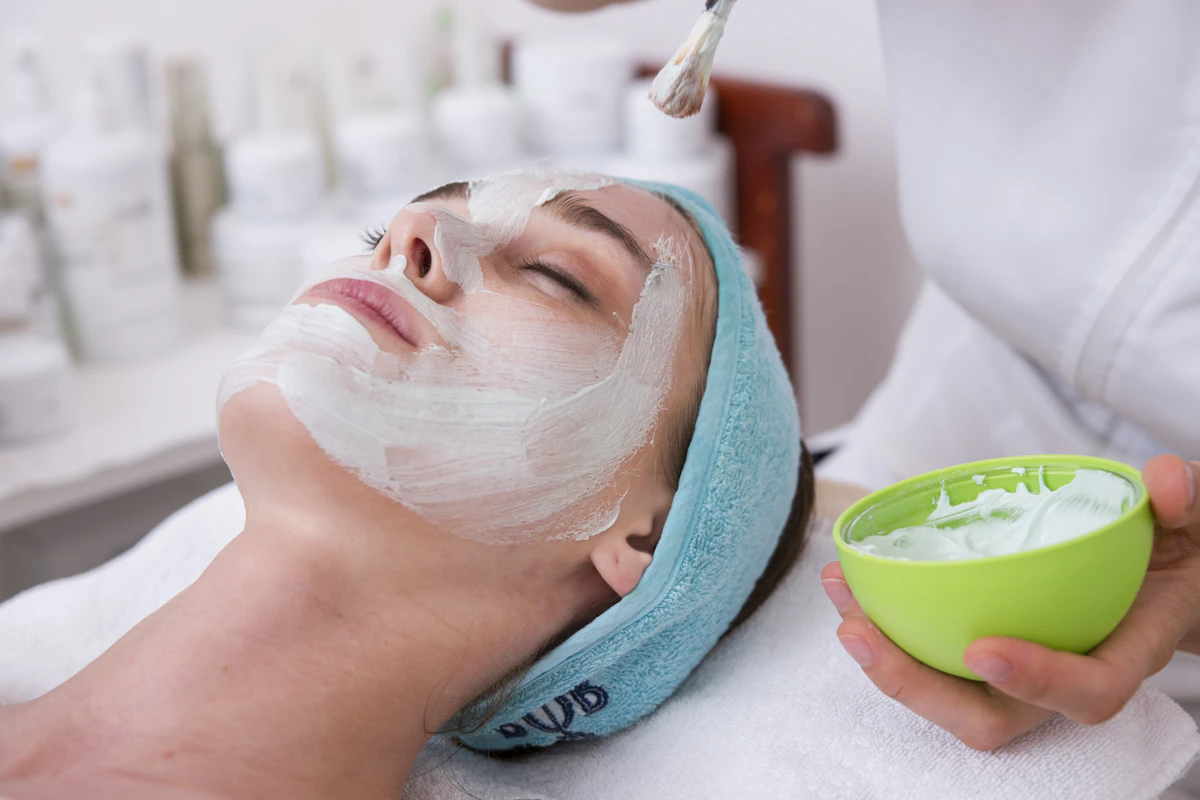
Benefits of Correctly Identifying Acne Scars vs Pigmentation
Knowing the difference between acne scars vs pigmentation helps patients choose better treatments and avoid disappointment.
Better Treatment Matching
Pigmentation usually responds best to pigment control, sunscreen, topical agents, gentle resurfacing and carefully selected laser or peel treatments. Acne scars usually need collagen remodelling or scar-specific procedures.
When the diagnosis is accurate, treatment becomes more targeted.
More Realistic Expectations
Flat brown marks may fade gradually. Deep scars usually improve gradually but may not disappear fully. Understanding this early helps patients avoid expecting a quick one-session solution.
Lower Risk of Side Effects
Treating pigmentation too aggressively can worsen dark marks. Treating scars without controlling acne can lead to repeated inflammation. A careful plan helps reduce avoidable irritation, downtime and complications.
Better Budget Planning
Acne scar treatment may require several sessions and combination therapy. Pigmentation treatment may require skincare consistency and maintenance. Knowing which concern is the priority helps patients plan time, budget and downtime more realistically.
Limitations of Treatment
Medical aesthetic treatments can improve skin appearance, but there are limitations.
Pigmentation May Come Back
Pigmentation can recur if acne returns, sun protection is poor, hormones fluctuate or the skin becomes inflamed again. Maintenance skincare and prevention are important.
Acne Scars May Not Fully Disappear
True scars involve structural changes in the skin. Treatments can soften, smooth and improve their appearance, but complete removal is not a medically responsible promise.
Multiple Sessions Are Often Needed
Both pigmentation and acne scar treatments usually need time. Collagen remodelling happens gradually. Pigment fading also takes time, especially for deeper marks.
Results Vary Between Patients
Skin tone, scar type, acne activity, lifestyle, healing response, aftercare and treatment history all affect results.
Realistic Expectations
A good treatment plan should be honest from the start.
For Pigmentation
Some pigmentation may improve within weeks to months with consistent skincare and sunscreen. Clinic treatments may help speed improvement, but results are gradual. Darker, deeper or older pigmentation may need longer.
For Acne Scars
Acne scars usually improve progressively over several sessions. The goal is often to make scars less visible, soften shadows, improve texture and support smoother skin. Deep ice pick scars and severe rolling scars may need more advanced combination treatment.
For Mixed Concerns
Patients with both scars and pigmentation may need staged treatment. For example, the doctor may first calm acne and reduce pigmentation, then proceed to scar remodelling. In other cases, treatments may be combined carefully.
Safety Considerations
Safety is especially important when treating pigmentation and scars in Malaysian skin types.
Avoid Aggressive DIY Treatments
Strong acids, unregulated whitening creams, steroid-mixed products or harsh scrubs may damage the skin barrier and worsen pigmentation. Products that promise instant whitening or scar removal should be approached carefully.
Choose Properly Qualified Providers
Laser, subcision, injectables and strong peels should be performed by qualified healthcare professionals in an appropriate clinical setting. Device settings, skin preparation and aftercare matter.
Inform Your Doctor About Medications
Tell your doctor if you are using isotretinoin, retinoids, antibiotics, blood thinners, hormonal medication or any active skincare. Also mention pregnancy, breastfeeding, keloid tendency, cold sore history or previous bad reactions to treatment.
Understand Downtime and Risks
Possible side effects may include redness, swelling, dryness, peeling, bruising, temporary darkening, breakouts, infection, burns or scarring if treatment is unsuitable or aftercare is poor.
Recovery and Aftercare
Aftercare can affect results as much as the treatment itself.
After Pigmentation Treatment
You may need to avoid sun exposure, heat, harsh exfoliation and active ingredients for a short period. Sunscreen is essential. Your doctor may recommend calming skincare and gradual reintroduction of actives.
After Acne Scar Procedures
Recovery depends on the procedure. Laser and radiofrequency may cause redness and swelling. Subcision may cause bruising. TCA CROSS may form small crusts. It is important not to pick the skin during healing.
General Aftercare Tips
Use gentle cleanser.
Apply moisturiser as advised.
Use sunscreen daily.
Avoid scrubs until fully recovered.
Avoid picking flakes or scabs.
Follow clinic instructions.
Attend follow-up appointments.
Prevention
Preventing new scars and pigmentation is easier than treating old ones.
Control Active Acne Early
Early acne control reduces inflammation and lowers the chance of new scars or dark marks. MedlinePlus acne self-care guidance recommends gentle cleansing, avoiding scrubbing and considering acne washes such as salicylic acid or benzoyl peroxide when suitable.
Do Not Pick or Squeeze Pimples
Picking increases inflammation and can push damage deeper into the skin. It may also introduce bacteria and delay healing.
Use Sunscreen Consistently
Daily sunscreen helps reduce darkening of post-acne marks and supports treatment results. This is especially important in Kuala Lumpur’s sunny climate.
Keep Skincare Simple During Breakouts
When acne is active, avoid layering too many actives. A simple routine with cleanser, moisturiser, sunscreen and doctor-recommended acne treatment is often safer.
Seek Help for Persistent Acne
If acne is painful, cystic, recurring, leaving marks or affecting confidence, early assessment can prevent worsening scars.
Image credit: Unsplash

FAQs About Acne Scars vs Pigmentation
1. How can I tell if my acne mark is a scar or pigmentation?
Look at texture and colour. If the skin is flat but darker, redder or brown, it is more likely pigmentation or a post-acne mark. If there is a dent, pit, raised area or uneven surface, it is more likely a scar. Many patients have both.
2. Can pigmentation from acne fade naturally?
Yes, some post-acne pigmentation can fade gradually, especially if acne is controlled and sunscreen is used consistently. However, deeper or long-standing pigmentation may take longer and may benefit from medical skincare or clinic treatment.
3. Can acne scars heal naturally?
True acne scars are less likely to disappear naturally because the skin structure has changed. They may become slightly less obvious over time, but many require procedures to improve texture.
4. Is acne scar laser Kuala Lumpur treatment suitable for everyone?
Not everyone needs laser, and not every laser suits every skin type. Suitability depends on scar type, skin tone, acne activity, downtime tolerance and pigmentation risk. Some patients may need subcision, microneedling, radiofrequency, TCA CROSS or combination therapy instead.
5. Is pigmentation treatment painful?
Many pigmentation treatments are tolerable, but sensation depends on the treatment type. Topicals are painless but may cause irritation if too strong. Peels or lasers may cause heat, stinging or mild discomfort. Your doctor can explain what to expect.
6. Can I treat acne scars and pigmentation at the same time?
Sometimes yes, but not always. If the skin is sensitive or pigmentation risk is high, treatment may be staged. In other cases, combination treatment can address colour and texture together.
7. What is the best treatment for dark acne marks treatment Kuala Lumpur?
There is no single best treatment for everyone. Options may include sunscreen, topical pigment-control ingredients, acne control, chemical peels, laser or combination therapy. A skin assessment helps determine the safest approach.
8. Why do my acne marks get darker after being in the sun?
Sun exposure can stimulate melanin production and make existing pigmentation more visible. This is why sunscreen and sun avoidance are important parts of treatment.
9. Are acne marks the same as melasma?
No. Acne marks are usually caused by inflammation after pimples. Melasma is a different pigmentation condition often linked to hormones, sun exposure and skin type. They can look similar, so assessment is important.
10. How many sessions are needed for acne scar treatment?
It depends on scar severity, scar type and treatment method. Mild scars may need fewer sessions, while deeper or mixed scars often require multiple sessions over several months.
11. Can skincare remove pitted acne scars?
Skincare may improve tone, mild texture and skin quality, but it usually cannot fully correct pitted scars. Procedures that stimulate collagen or remodel scars are often needed.
12. When should I visit an aesthetic clinic Kuala Lumpur for acne scars or pigmentation?
Consider consultation if acne marks persist for months, scars are affecting confidence, acne is still active, pigmentation is getting darker, or you are unsure whether your concern is scar, pigment or both.
Conclusion
Understanding acne scars vs pigmentation is the first step before choosing treatment. Pigmentation usually appears as flat brown, grey, red or dark marks, while true acne scars involve changes in skin texture such as dents, pits, uneven surface or raised tissue. Because many Malaysian patients have mixed concerns, the most effective approach is usually not a random single treatment, but a proper assessment followed by a personalised plan.
For patients searching for acne scar treatment Kuala Lumpur, pigmentation treatment Kuala Lumpur, post-acne marks KL, acne marks treatment KL or acne scar laser Kuala Lumpur, a doctor-led consultation can help clarify the real cause of uneven skin appearance and guide safer treatment choices.
Millennium Clinic Kuala Lumpur offers doctor-led consultation and personalised treatment planning for acne scars, pigmentation, acne marks, dull skin and related skin concerns. A proper assessment allows the doctor to recommend a treatment plan based on your skin type, scar pattern, pigmentation risk, lifestyle and realistic goals, helping you make a more informed decision before starting treatment.
References
- MedlinePlus. Scars. https://medlineplus.gov/scars.html
- NIH / NCBI Bookshelf. Postinflammatory Hyperpigmentation. https://www.ncbi.nlm.nih.gov/books/NBK559150/
- Mayo Clinic. Acne – Symptoms and Causes. https://www.mayoclinic.org/diseases-conditions/acne/symptoms-causes/syc-20368047
- MedlinePlus Medical Encyclopedia. Acne. https://medlineplus.gov/ency/article/000873.htm
- Mayo Clinic. Acne scars: What’s the best treatment? https://www.mayoclinic.org/diseases-conditions/acne/expert-answers/acne-scars/faq-20058101
- MedlinePlus. Acne – self-care. https://medlineplus.gov/ency/patientinstructions/000750.htm

0 Comments